
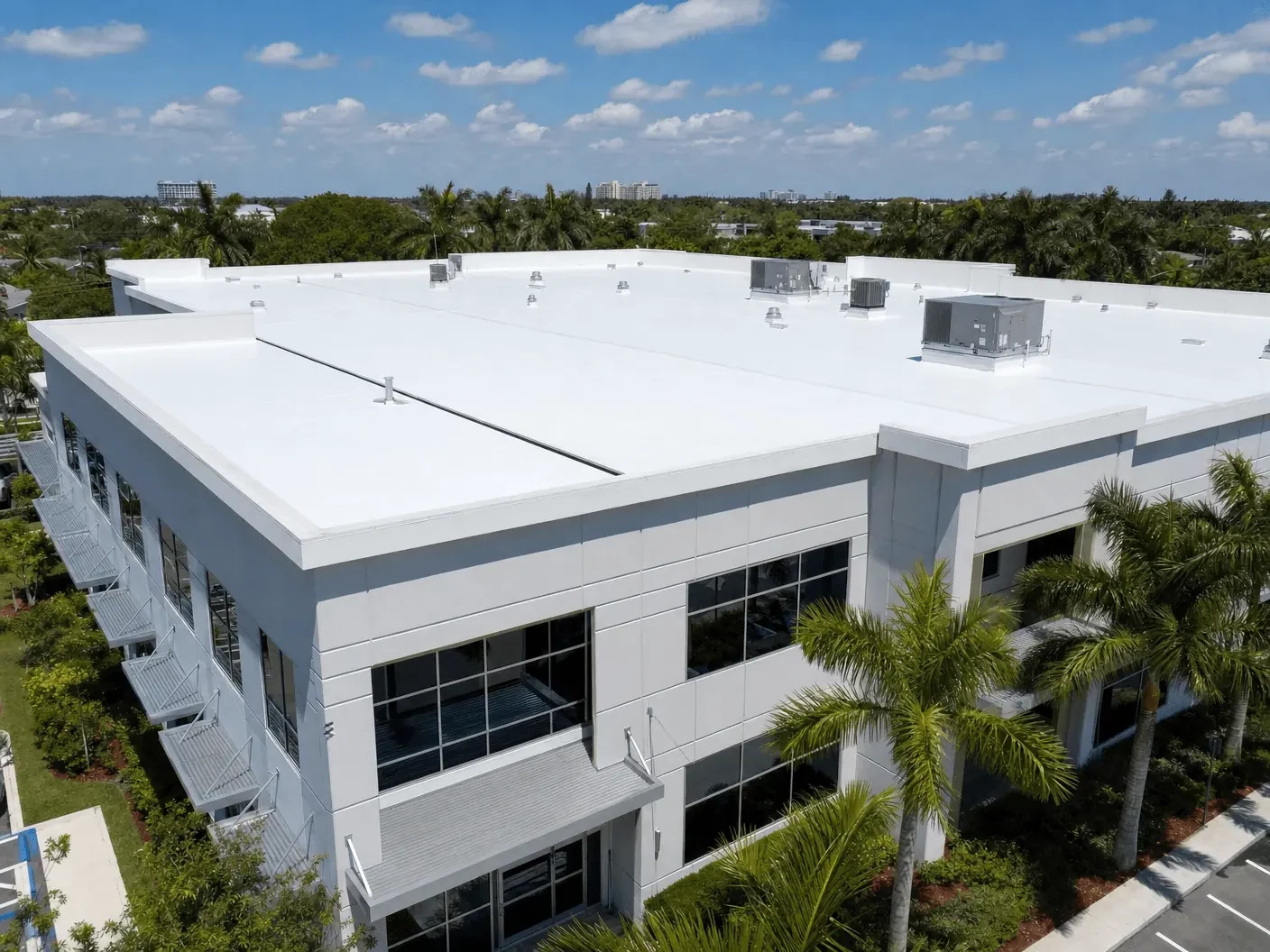
Office Complex Roofing in Lansing, MI
Lansing, Michigan
Roof Decisions for Buildings Full of Businesses That Aren't Yours
Downtown Lansing's office towers and the suburban office parks around Delta Township and Okemos both put one roof decision above dozens of businesses that never chose the roofing contractor. We approach multi-tenant office roofing as a risk problem first, because a leak here doesn't just damage a roof, it damages relationships between a landlord and every tenant renting space underneath.
Downtown Towers Carry Different Risk Than Suburban Office Parks
Office buildings clustered downtown near the Capitol and along Michigan Avenue tend to be older, taller, and built with roof assemblies that predate current insulation standards. Suburban office parks around Delta Township and the west side run newer, lower-profile buildings with simpler roof geometry but often thinner original specifications aimed at minimizing upfront construction cost. Both carry risk, just different kinds.
We evaluate a downtown tower's parapet and drainage details as closely as we evaluate a suburban building's membrane thickness and seam quality, because the failure points on each type are different even when the symptoms, a stained ceiling tile or a musty smell, look the same from inside.
One Roof, Multiple Businesses, One Bad Decision
A multi-tenant office building can house a law firm, an insurance office, and a small medical practice under the same roof, and a leak over any one of them becomes a liability question that reaches beyond the property manager. We document existing conditions thoroughly before starting work, including photos of ceiling tiles and finished space near any known trouble spot, so there's a clear record if a tenant later raises a damage claim.
That documentation protects the property owner as much as it protects us, giving a clear before-and-after record that separates pre-existing conditions from anything related to the roof project itself.
Insurance and Corporate Headquarters Buildings Have Their Own Documentation Standards
Some of Lansing's larger corporate headquarters buildings, particularly in the insurance sector, carry internal facilities standards and audit requirements that go beyond a typical commercial lease. Roof warranty terms, material specifications, and inspection schedules for those buildings often need to satisfy an internal risk management department, beyond the facilities manager we're talking to directly.
We ask early in the process whether a building has internal standards like that, because retrofitting documentation to meet a corporate audit requirement after the fact is far more work than building it in from the start.
That upfront question has saved rework more than once. A facilities manager might not know offhand whether their company's risk management department requires a specific wind-uplift rating or a particular warranty term, so we've started asking for that contact directly rather than assuming the facilities manager has full visibility into every internal requirement.
Coordinating Access With Property Management, Not Every Individual Tenant
A multi-tenant office building usually has one property management contact who controls building access, even though dozens of businesses occupy the space. We work through that single point of contact for scheduling and notifications, but we also ask for a tenant communication plan, since a law firm expecting a quiet conference room and a call center running phones all day have very different tolerance for rooftop noise.
Getting that wrong creates tenant complaints that land on the property manager's desk regardless of whether the roofing work itself was done correctly, so we treat tenant notice as part of the scope, not an afterthought.
- Downtown Lansing office towers
- Suburban office parks in Delta Township and the west side
- Corporate headquarters and insurance-sector campuses
- Multi-tenant medical and professional office buildings
- Single-tenant corporate office buildings
- Mixed office and retail ground-floor buildings
Older Downtown Stock Versus Newer Delta Township Construction
A recover system that performs well on an older downtown tower with a heavy gravel ballast roof rarely translates directly to a newer single-ply membrane on a suburban office park building. We spec each building on its actual construction rather than defaulting to whatever system worked on the last office job, because the two building types age and fail differently even under the same weather.
That distinction shows up most in how each roof handles Michigan's freeze-thaw cycling. Older ballasted roofs tend to show wear at drains and flashings first, while newer membrane roofs more often show seam fatigue as the material ages through repeated winter contraction and summer expansion.
Questions Property Managers Ask About Office Roof Work
How do you protect us from tenant damage claims during a roof project?
We document existing interior conditions with dated photos before work starts, giving a clear record that separates pre-existing issues from anything related to our work.
Can you meet internal corporate audit or risk management documentation requirements?
Yes, we ask early whether a building has internal facilities standards so we can build documentation to match rather than adding it after the fact.
Do you coordinate directly with tenants or only with property management?
We work through property management as the single point of contact, but we ask for a tenant notice plan so businesses know when disruptive work is happening near them.
How do you decide between a recover system and full tear-off on an older building?
We open test sections to check deck and insulation condition, since a recover only makes sense if what's underneath the existing membrane is still sound.
Do downtown and suburban office buildings need different roof systems?
Often, yes. Building age, roof geometry, and original specification vary enough between the two that we evaluate each on its own construction rather than applying one standard system.
Ready to review the roof scope?
Related Commercial Project Types
-
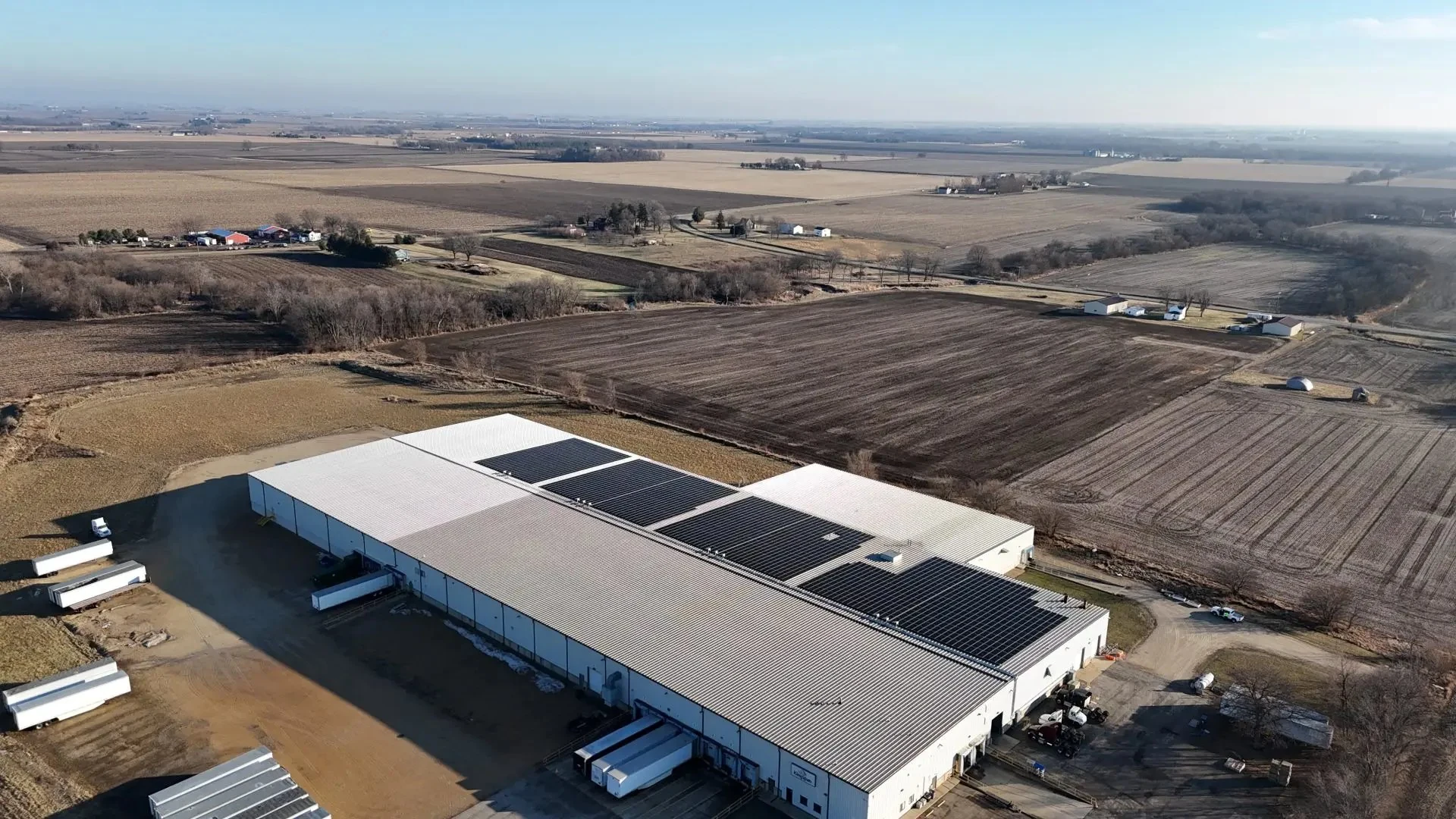
Keeping a Long-Span Warehouse Roof Ahead of the Next Michigan Winter
View project -
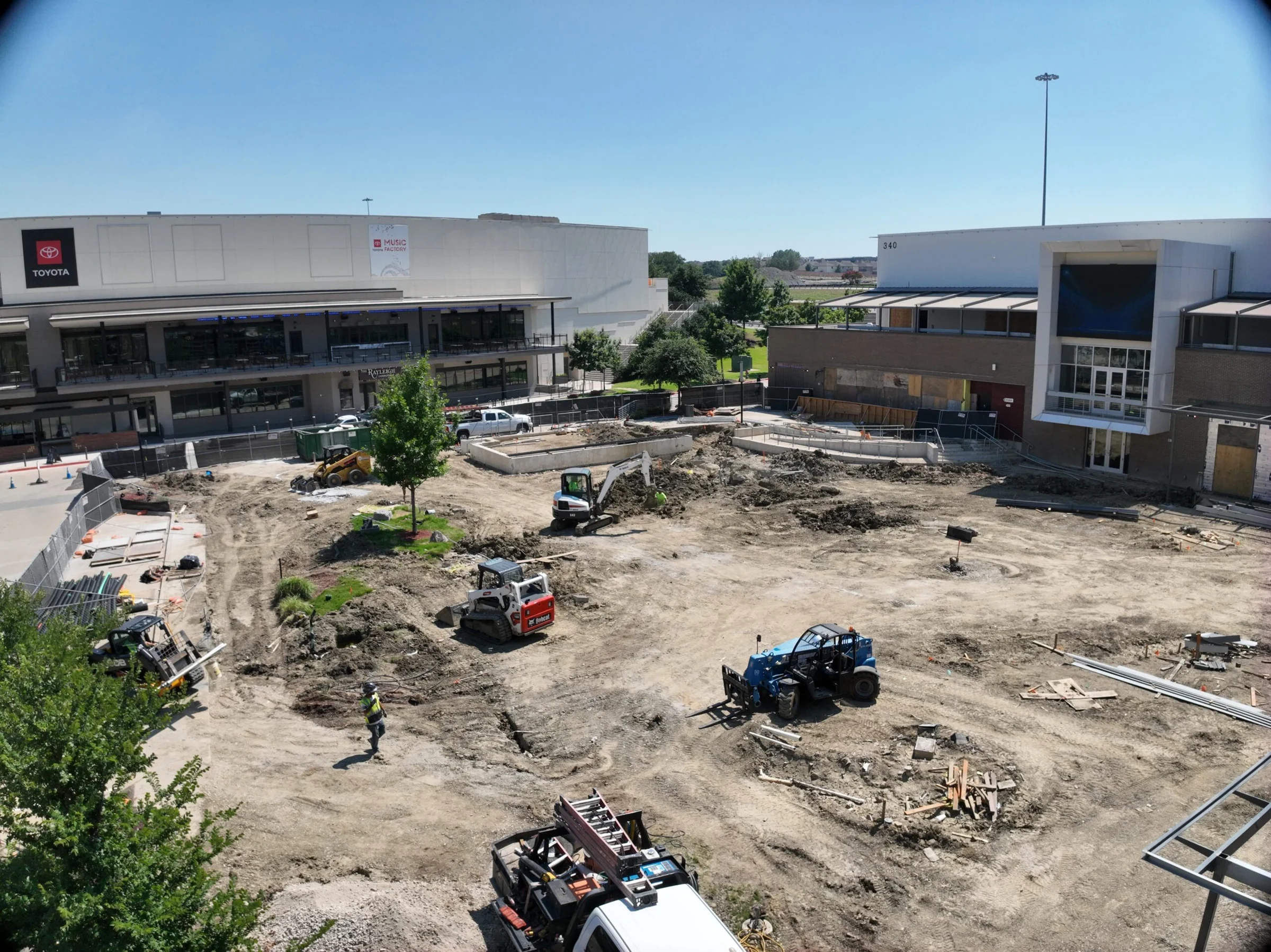
Roof Work Above a Production Line That Can't Stop for Us
View project -
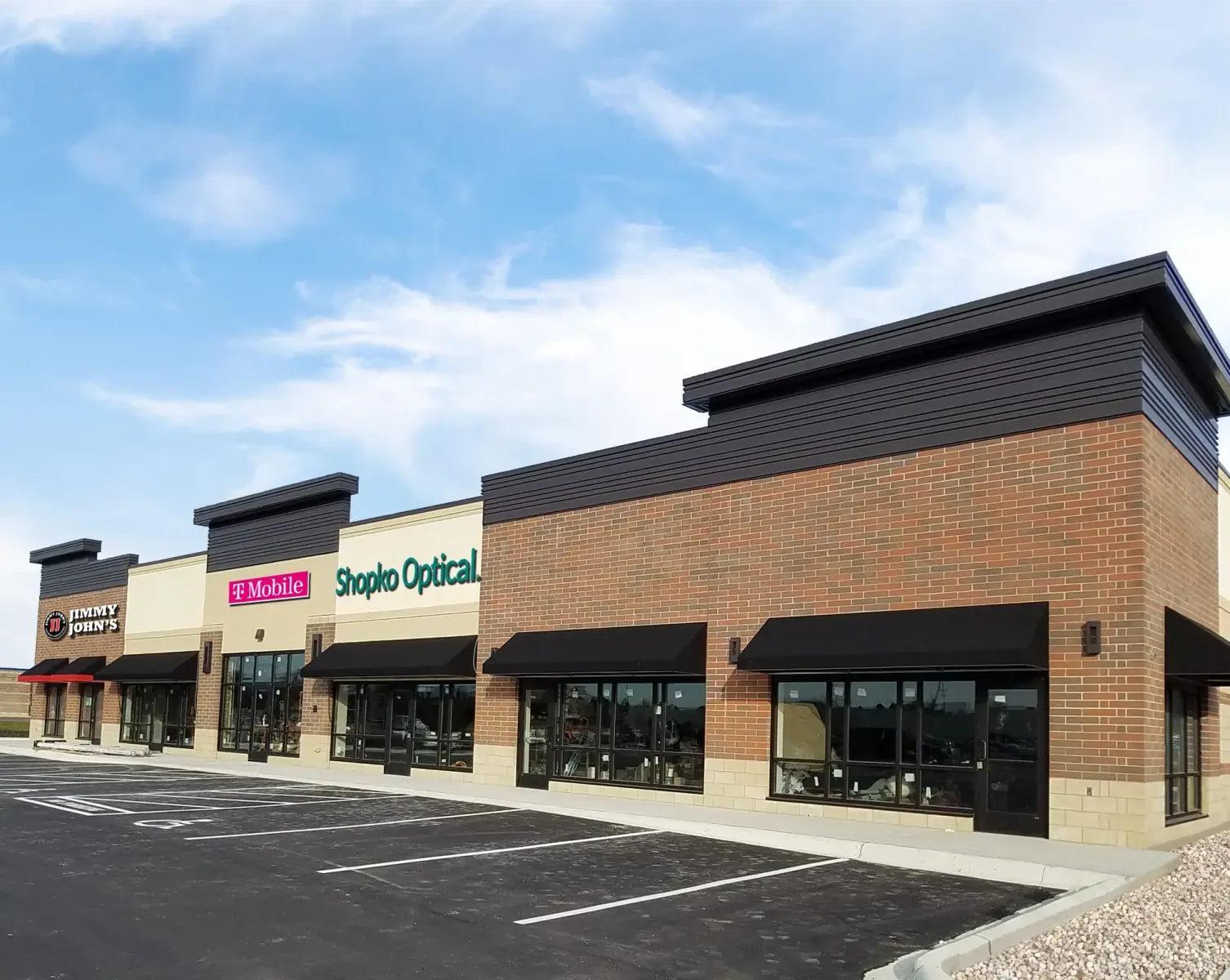
Keeping the Doors Open While the Roof Gets Fixed
View project -
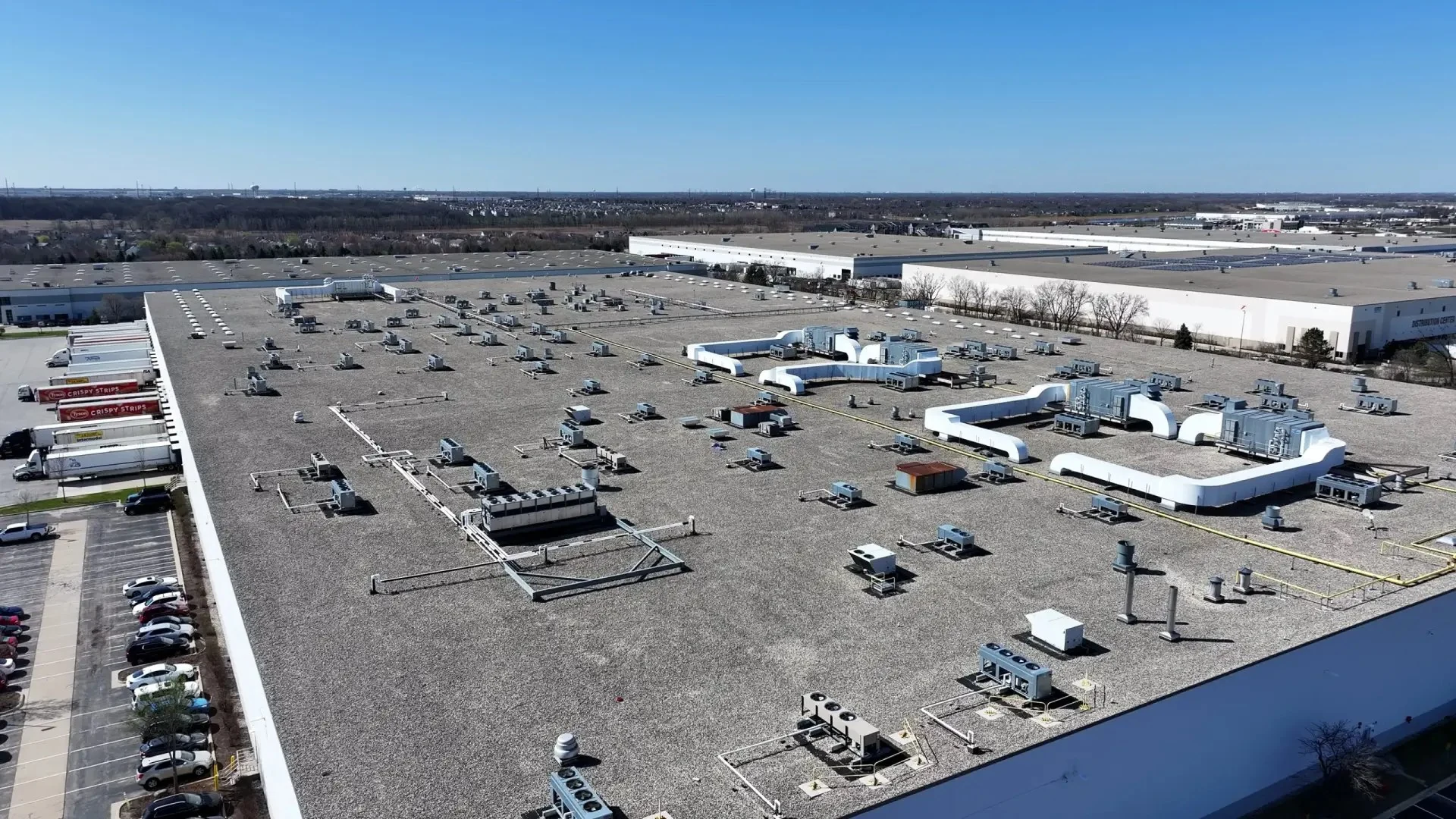
Roofs Built to Match the Scale of a Regional Distribution Hub
View project -
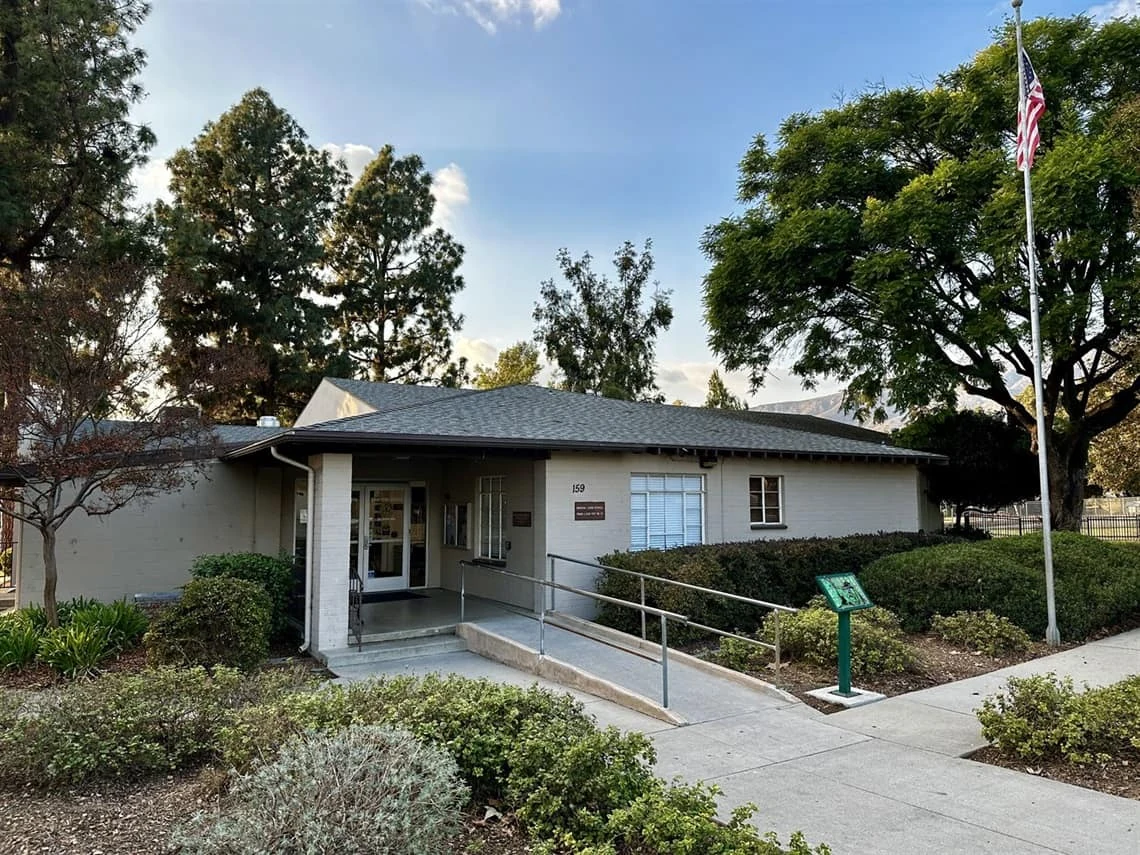
Roofing Decisions for the Buildings the State of Michigan Runs Every Day
View project -
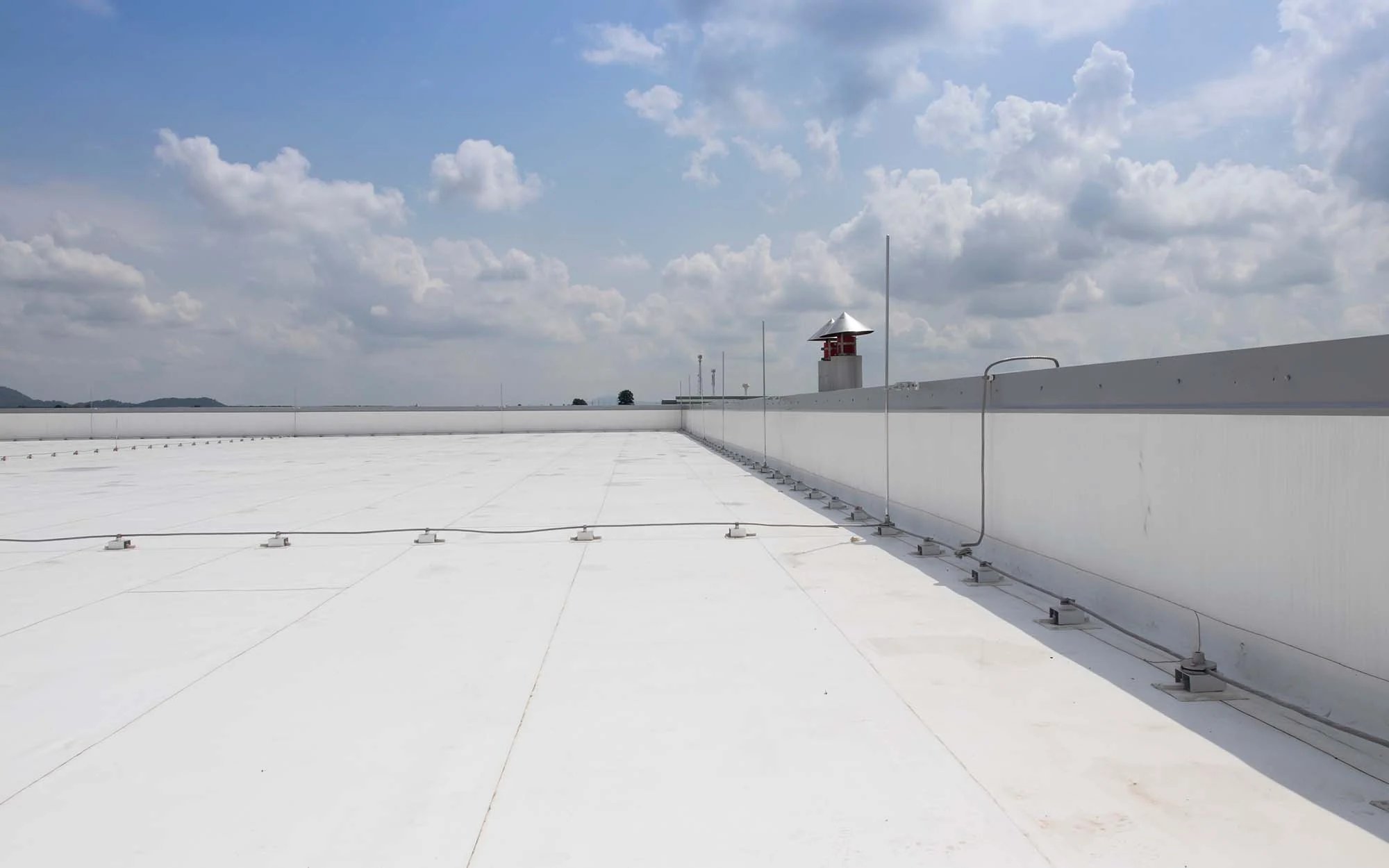
PVC Roofing Where Exposure, Not Price, Should Drive the Decision
View project