
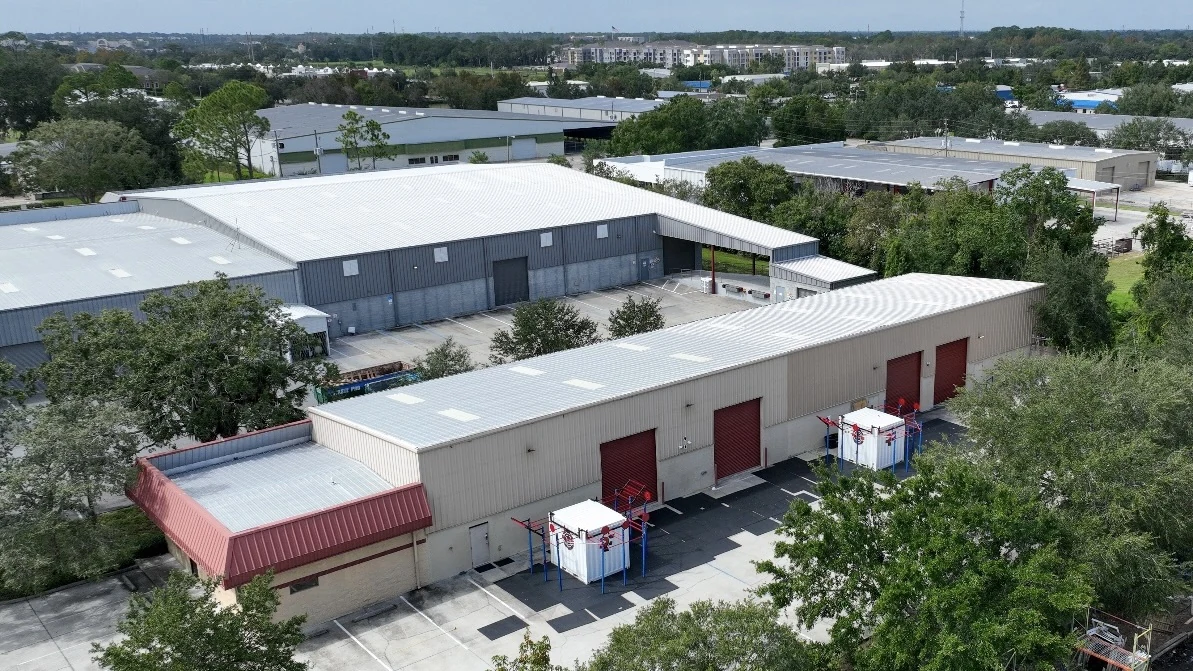
Commercial Roof Inspections & Reports in Lansing
Lansing, Michigan
What a Roof Inspection Should Actually Tell a Lansing Owner
The inspection records membrane, seams, flashings, drains, penetrations, edge metal, moisture indicators, photographs, and practical next steps in a condition report. An inspection that just says "roof is in fair condition" is not worth the visit. Before winter locks up access and before a spring storm finds every weak point on the roof, an owner needs a condition report that names specific defects, ranks them by urgency, and gives a real cost range for addressing each one.
Why the Fall Inspection Matters More in Lansing Than in Warmer Climates
Once temperatures drop and stay down, membrane repairs get harder to warranty properly, adhesives cure slower or not at all, and heavy snow can sit on top of a defect all winter without anyone seeing it. An inspection done in September or early October, before the first hard freeze, is the last real window to find and fix problems while repair conditions are still favorable. A roof that goes into a Michigan winter with an unaddressed seam gap or a clogged drain is a roof that is likely to produce an emergency call during the first thaw.
We schedule inspection cycles around that calendar deliberately: a pre-winter walk to catch anything that needs fixing before cold weather, and a spring walk after the freeze-thaw season to document what the winter actually did to the roof.
What We Actually Check
A useful inspection covers more than a visual walk across the field of the roof. We check drainage capacity and clear any debris blocking flow, examine parapet coping and edge metal for movement or open joints, probe suspect areas for wet insulation, inspect flashing around every rooftop penetration and equipment curb, and note the condition of expansion joints and control seams. On buildings with rooftop mechanical equipment - common across the office and medical properties around Lansing - we also check curb flashing every time, since equipment servicing by other trades is a frequent source of unreported roof damage.
What the Condition Report Includes
An inspection report that is actually useful for capital planning includes:
- Photographs tied to a roof plan or sketch showing exact defect locations
- A priority ranking - urgent, near-term, and monitor - rather than one flat list
- Estimated remaining service life for the membrane based on observed condition rather than installation date alone
- A specific cost range for addressing each flagged item
- Drainage performance notes, including any standing water observed and how long it had been sitting
- A comparison against the prior inspection where one exists, so trends are visible instead of hidden in separate reports
That level of detail is what lets a facilities director or property manager take a report into a budget meeting and defend the number, instead of asking for money based on a contractor's general impression.
Turning an Inspection Into a Budget Conversation
We separate what needs attention this fiscal year from what can be monitored and planned for next year or the year after. That distinction matters for owners managing multiple properties or reporting up to a board or a state facilities office, because not every flagged item is equally urgent, and treating them all as equally urgent trains people to stop trusting the report.
For institutional owners - school districts, municipal buildings, hospital systems - that priority ranking also supports the multi-year capital planning cycle those organizations already run, giving facilities staff a document they can point to when defending a line item.
What Skipping Inspections Actually Costs
The buildings we get called to on an emergency basis are almost always ones where the last real inspection was years ago, not months. A small defect that would have cost a few hundred dollars to fix during a routine visit becomes a saturated insulation zone, a compromised deck section, or interior damage by the time anyone notices it from inside the building. Regular inspection is the cheapest insurance a roof has, and it is the one most owners skip first when budgets get tight.
We have inspected roofs on plant buildings near Delta Township and office properties downtown where the gap between inspections stretched to five or six years. In nearly every one of those cases, the eventual repair or replacement cost was several times what a normal two-visit-per-year inspection cycle would have caught early, and the owner had no documentation trail to show a lender, insurer, or board why the number jumped the way it did.
Who Should Be Reading the Report Besides the Facilities Team
A good inspection report is useful to more people than whoever manages the roof day to day. Owners preparing for a property sale, insurance renewal, or refinancing benefit from having a current, documented roof condition on file rather than scrambling to get one commissioned under deadline pressure. We write reports with that broader audience in mind, plain enough for a non-roofing stakeholder to read without a translator.
Inspection Questions From Property and Facilities Managers
How often should a commercial roof in Lansing be inspected?
Twice a year at minimum - once before winter and once in spring after freeze-thaw season - with additional inspections after any significant wind or hail event.
Does an inspection include a written report, or just a phone call?
Always a written report with photographs, priority rankings, and cost ranges. A verbal summary is not something you can take into a budget meeting or compare against next year's findings.
Can an inspection catch problems before they cause a leak?
That is the point of doing one regularly. Seam gaps, clogged drains, and compromised flashing are all visible from the roof surface before they produce an interior leak, if someone is actually looking.
Do you inspect roofs you did not originally install?
Yes, most of our inspection work is on roofs installed by other contractors. We document the existing system and condition without assuming anything about how it was originally built.
What happens if the inspection finds something urgent?
We flag it immediately rather than waiting for the full written report, especially if it involves active water entry risk or a structural concern. The written report follows, but urgent items get a call the same day.
Ready to review the roof scope?
Related Commercial Roofing Services
-
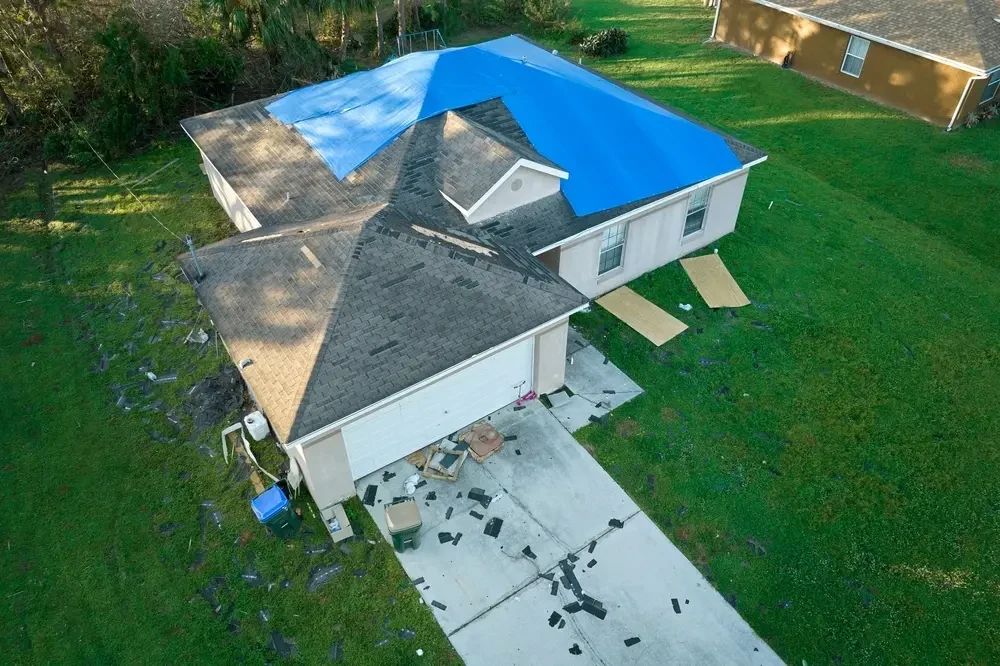
Stopping Water Before It Costs More Than the Roof Damage Itself
View project -
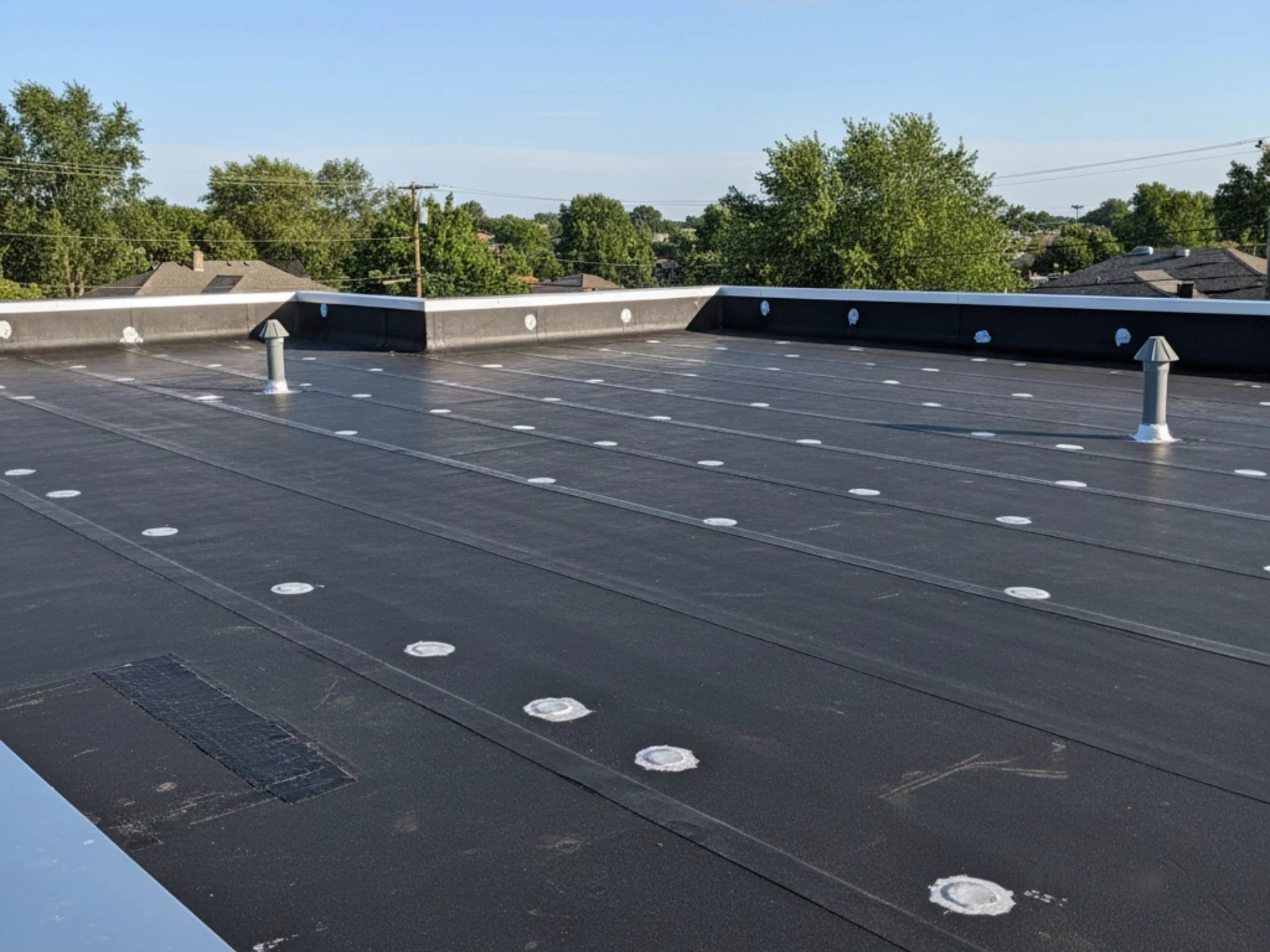
EPDM Roofs on Lansing's Older Industrial and Institutional Buildings
View project -
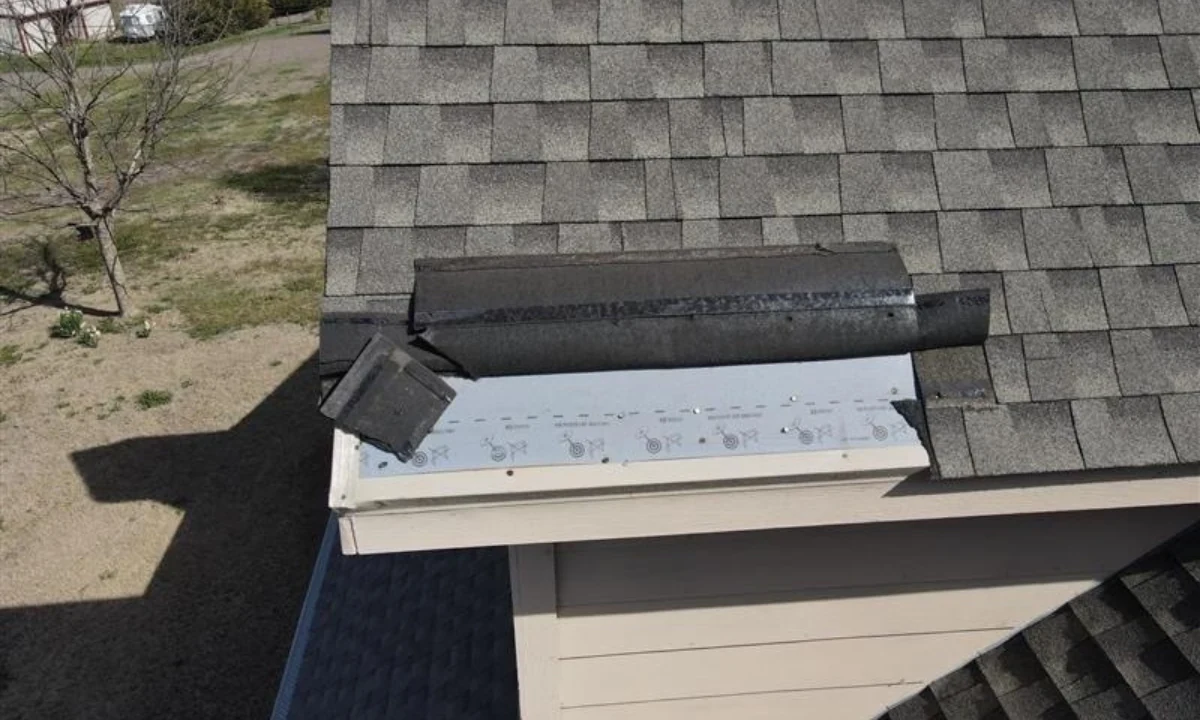
Documenting Storm Damage for a Claim, Not Promising the Outcome
View project -
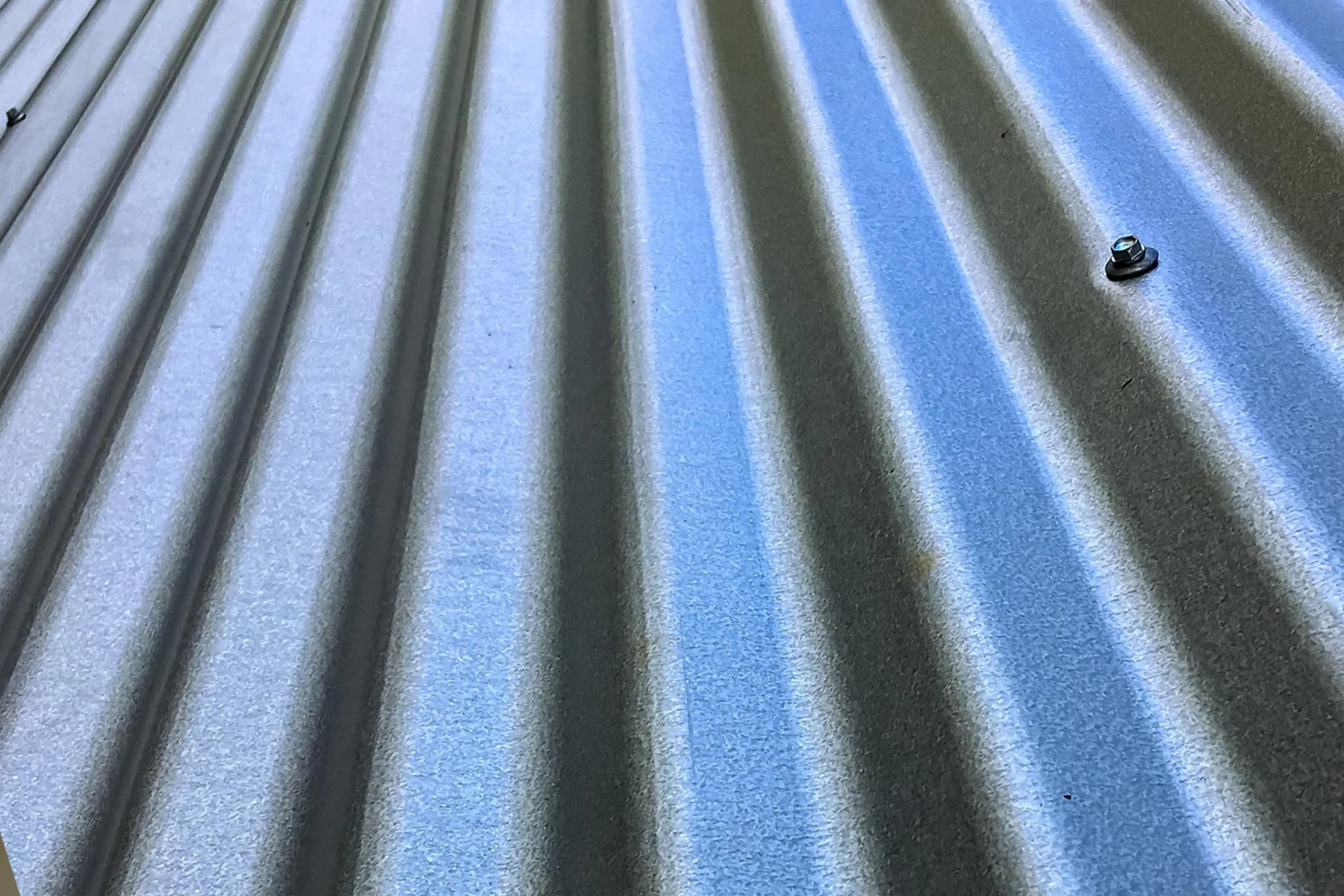
R-Panel Metal for Warehouses and Light Manufacturing
View project -
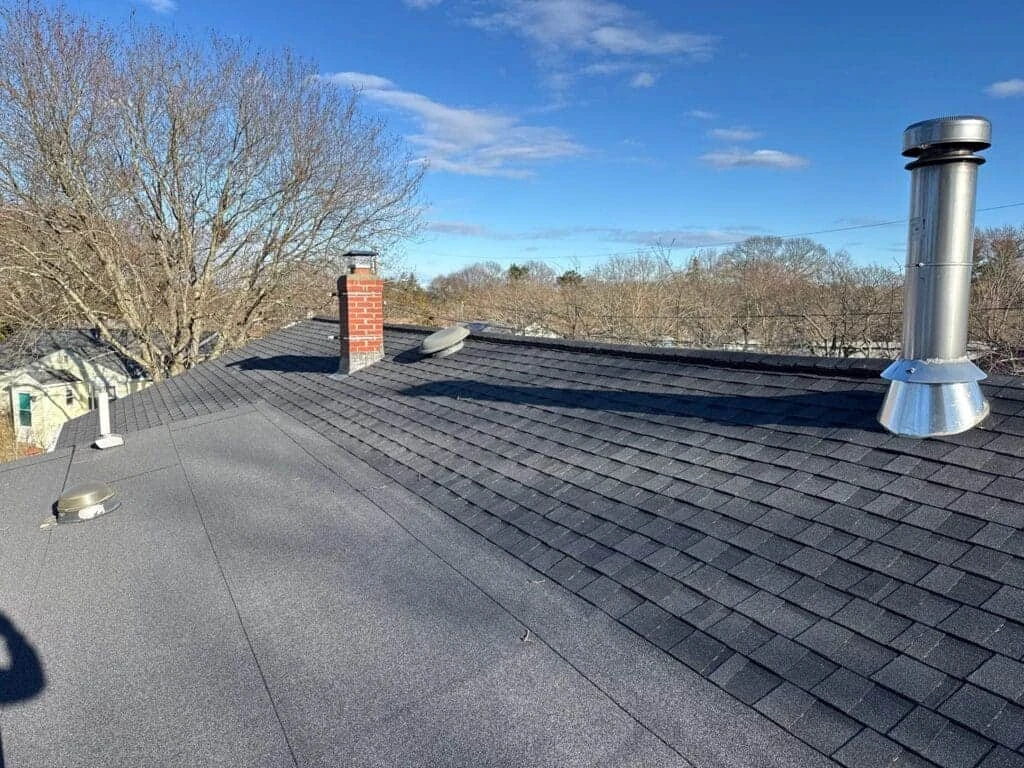
Modified Bitumen on Older State and Campus Buildings
View project -
Grand Ledge Splits Between Riverside Manufacturing and a Historic Main Street
View project