
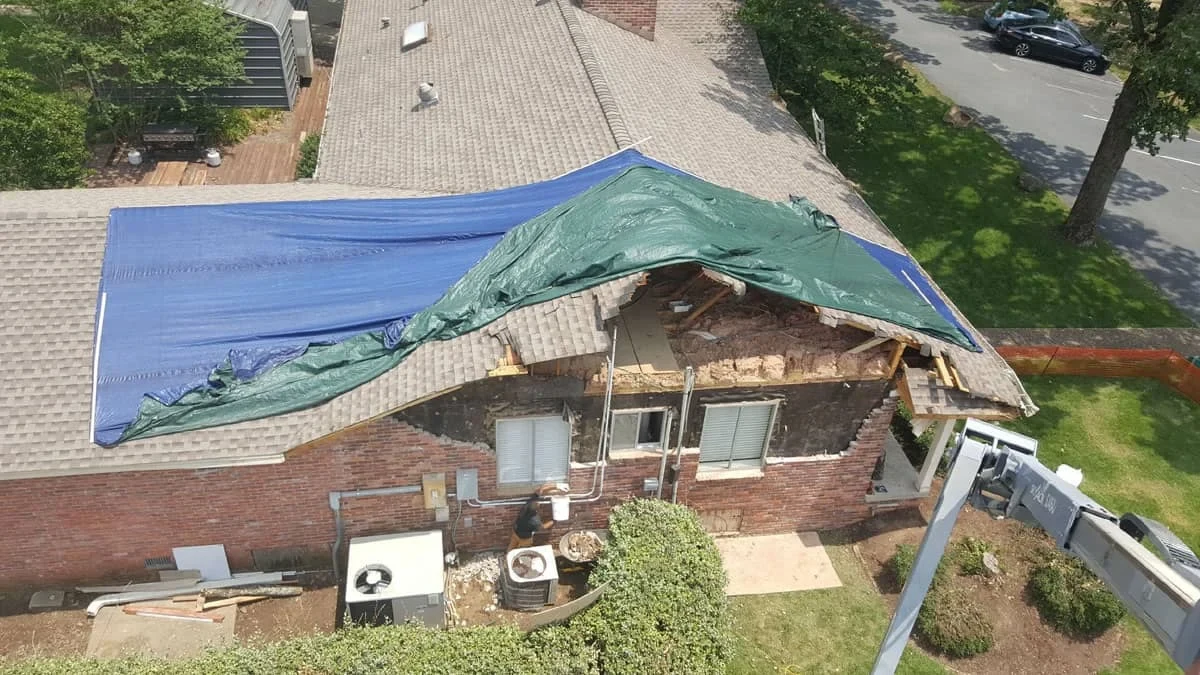
Storm Damage Roof Repair in Lansing, MI
Lansing, Michigan
Repairing Lansing Roofs After Wind, Ice, and Derecho Damage
Mid-Michigan gets three distinct storm patterns that damage commercial roofs in different ways: winter ice storms and wet, heavy snow loads, spring thunderstorm wind, and the occasional summer derecho that moves through with straight-line winds strong enough to lift edge metal and membrane in a single event. Repair after each of those looks different, and treating storm damage as one generic category is how the wrong fix gets applied.
Ice Storms and Wet Snow
Ice accumulation on parapet walls and roof edges adds weight and creates damming conditions that back water up under the membrane at the first thaw. Wet, heavy snow does similar structural work through sheer weight rather than ice, stressing seams and flashing that were already marginal. Damage from this pattern often does not show up until weeks later, during a warm spell, when the water that was trapped finally finds its way into the building. We inspect roofs that carried heavy ice or snow loads as soon as conditions allow safe access, rather than waiting for a leak to announce the problem.
Spring Thunderstorm Wind
Wind uplift at roof edges and corners is the most common spring storm damage we see, particularly on older buildings where edge metal was fastened to a lower wind-load standard than current code requires. A section of membrane that lifts and tears at a corner during one storm is often a sign the whole perimeter attachment needs review, beyond a patch at the torn spot. We check the full edge condition after any high-wind event, since one visible failure point often means others are close behind it.
Derecho-Level Straight-Line Wind
A derecho moving through mid-Michigan can produce sustained wind loads that exceed what a roof's original design anticipated, especially on buildings that predate current wind-uplift standards. Damage from this kind of event tends to be more widespread than a typical thunderstorm - membrane displacement across large roof sections, coping and edge metal torn loose, and rooftop equipment shifted or damaged. We assess the whole roof after a derecho-level event rather than just the areas with visible damage from the ground, because wind of that force frequently compromises attachment points that are not obviously damaged until closer inspection. Buildings around the GM plant corridors and along the I-96 industrial stretch, with their larger roof spans and more rooftop equipment exposure, tend to see the widest damage footprint when a derecho moves through the region.
What a Storm Damage Assessment Covers
- Full roof walk documenting every area of visible damage, beyond the reported location
- Photographs and measurements of displaced or torn membrane, edge metal, and flashing
- A check of drainage capacity, since storm debris commonly blocks drains right when capacity matters most
- An assessment of whether rooftop equipment was shifted or damaged by wind
- A written scope separating emergency stabilization from permanent repair
- Documentation suitable for an insurance conversation, without promising a claim outcome
Getting Ahead of the Next Storm
Every storm repair is also an opportunity to fix the underlying weakness that let the damage happen in the first place. If wind uplift damage keeps recurring at the same corner or edge section, replacing the whole run of edge metal to current wind-load standards is usually cheaper over time than repairing the same failure point after every significant storm.
We flag those patterns explicitly in the repair scope rather than quietly re-patching the same corner for the third time. An owner who has paid for the same edge repair after three separate storms deserves to know that the underlying attachment, not the weather, is the actual recurring problem.
Documenting Damage Correctly the First Time
How storm damage gets documented in the hours and days after an event shapes everything that follows, from insurance conversations to the repair scope itself. We photograph damage before any temporary stabilization changes what is visible, measure affected areas rather than estimating them, and note conditions that predate the storm separately from new damage. That separation matters because a carrier or an owner comparing this event to the last one needs to know which damage is actually new.
Storm Damage Questions From Owners
How soon after a storm should we get the roof inspected?
As soon as it is safe to access, ideally within a day or two. Damage from ice and heavy snow especially can sit unnoticed until a thaw makes it visible as an interior leak, so an inspection right after the event catches problems before they compound.
Does storm damage always mean a full repair is needed right away?
Not always. Some storm damage is cosmetic or minor enough to monitor, while other damage compromises the roof's watertightness immediately. The assessment tells us which situation applies before any repair scope is written.
Can you repair storm damage without a full tear-off?
In most cases yes, if the damage is isolated to specific areas like edge metal, flashing, or a section of membrane. Widespread damage across a large percentage of the roof sometimes changes that calculation toward a larger scope.
What causes repeat wind damage at the same roof location?
Usually an attachment or edge detail that was adequate for an older wind standard but is not holding up to current storm intensity. We flag that pattern and recommend a permanent fix rather than repeating the same repair after every storm.
Will you work directly with our insurance adjuster?
We provide documentation, photographs, and our own assessment of the damage and recommended scope. We do not represent the claim on your behalf or promise what the adjuster will approve.
Ready to review the roof scope?
Related Commercial Roofing Services
-
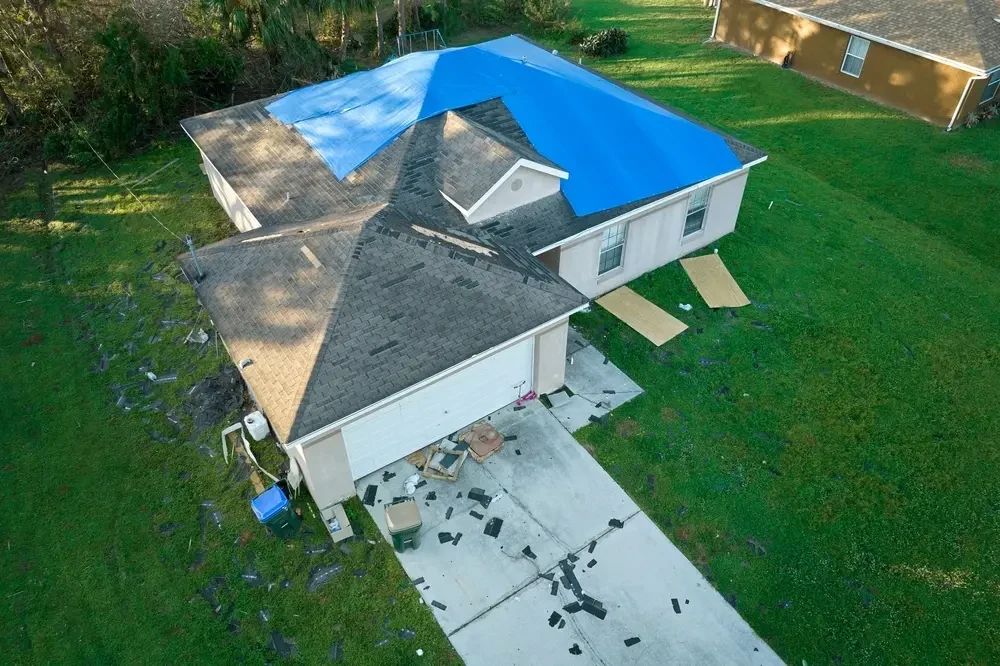
Stopping Water Before It Costs More Than the Roof Damage Itself
View project -
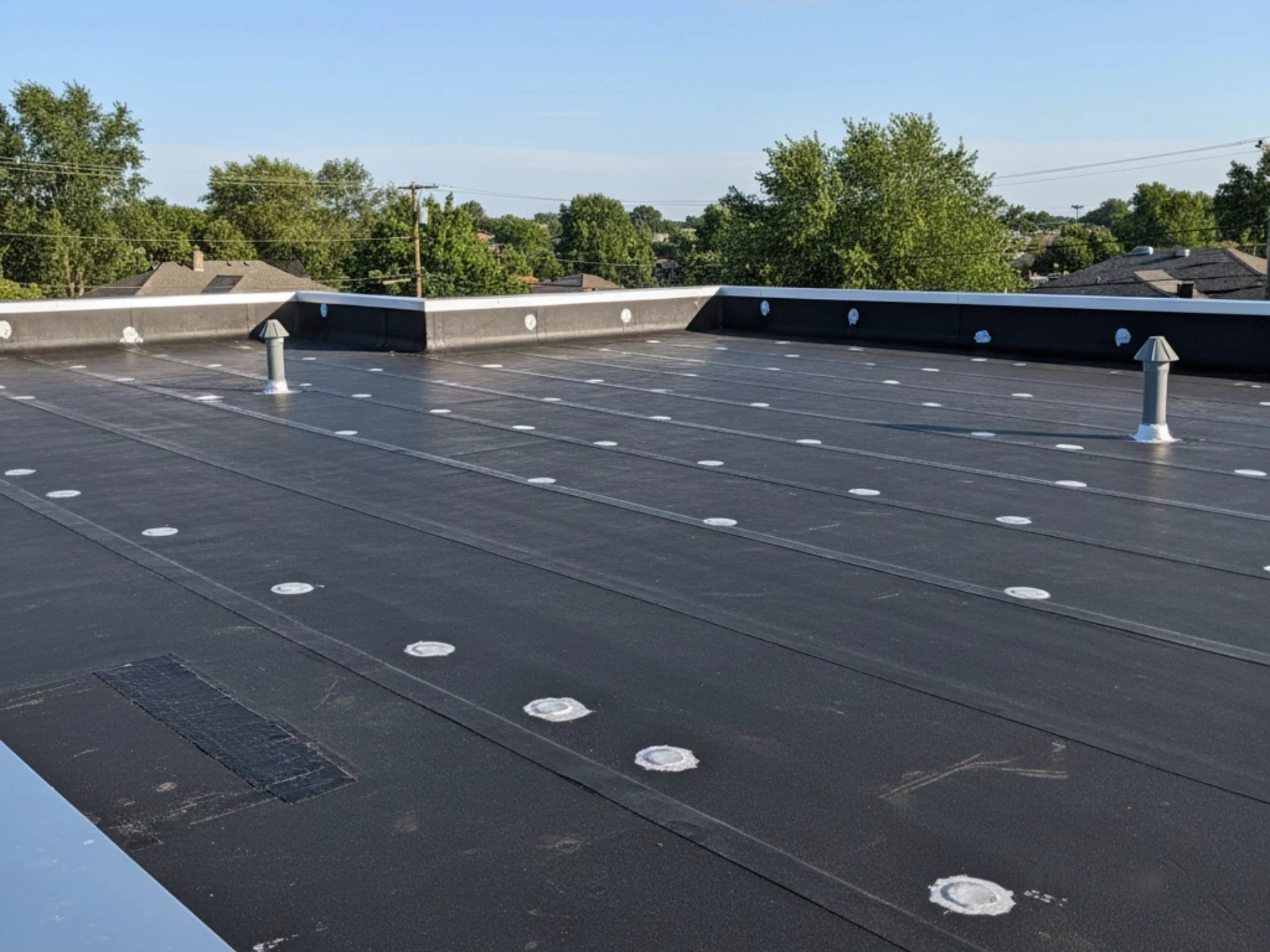
EPDM Roofs on Lansing's Older Industrial and Institutional Buildings
View project -
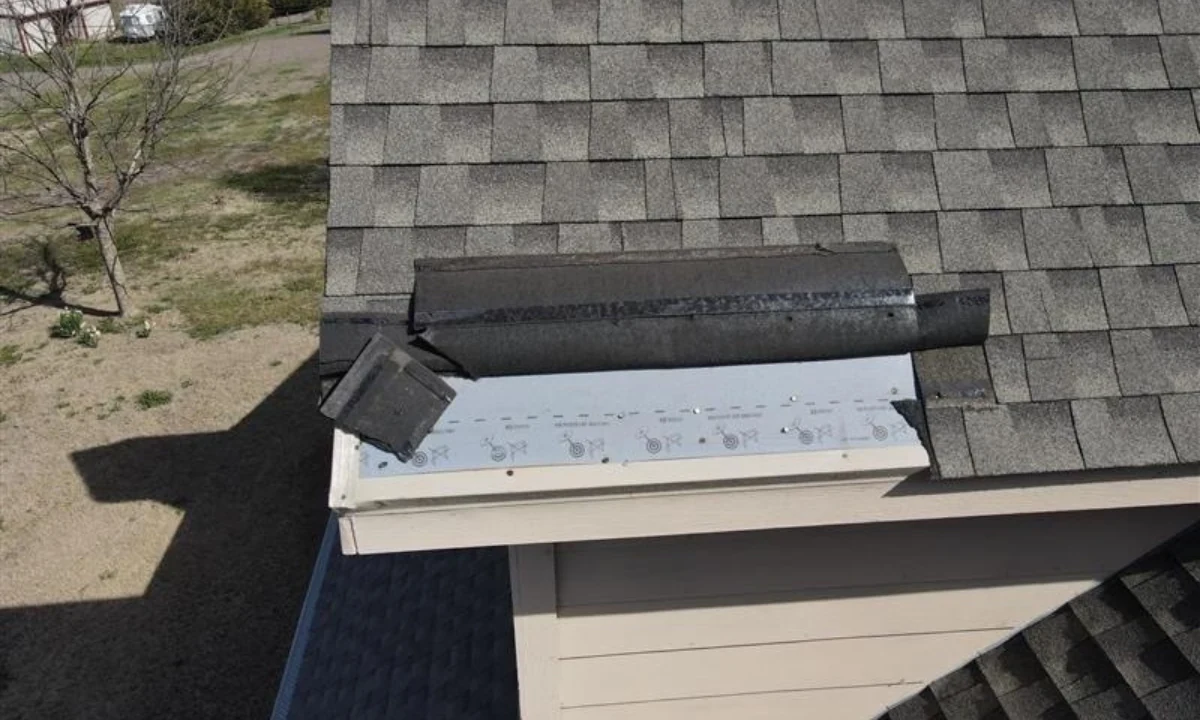
Documenting Storm Damage for a Claim, Not Promising the Outcome
View project -
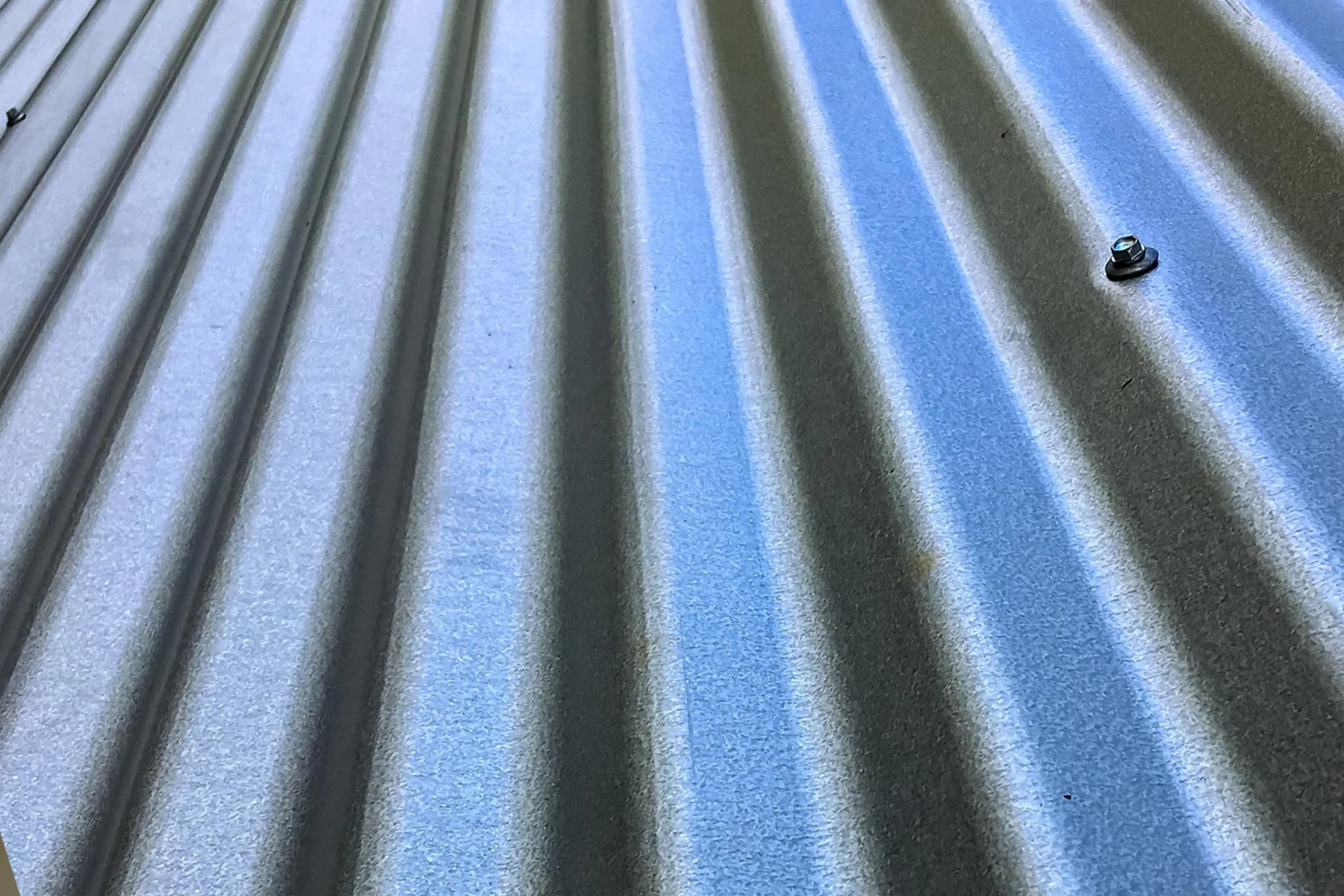
R-Panel Metal for Warehouses and Light Manufacturing
View project -
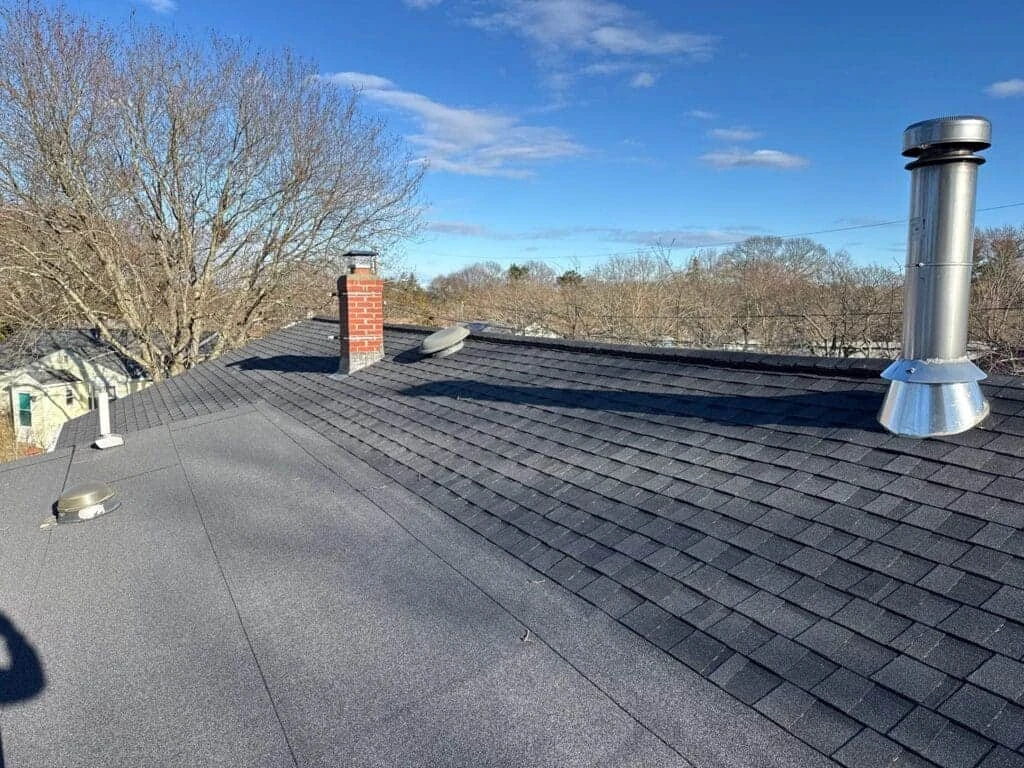
Modified Bitumen on Older State and Campus Buildings
View project -
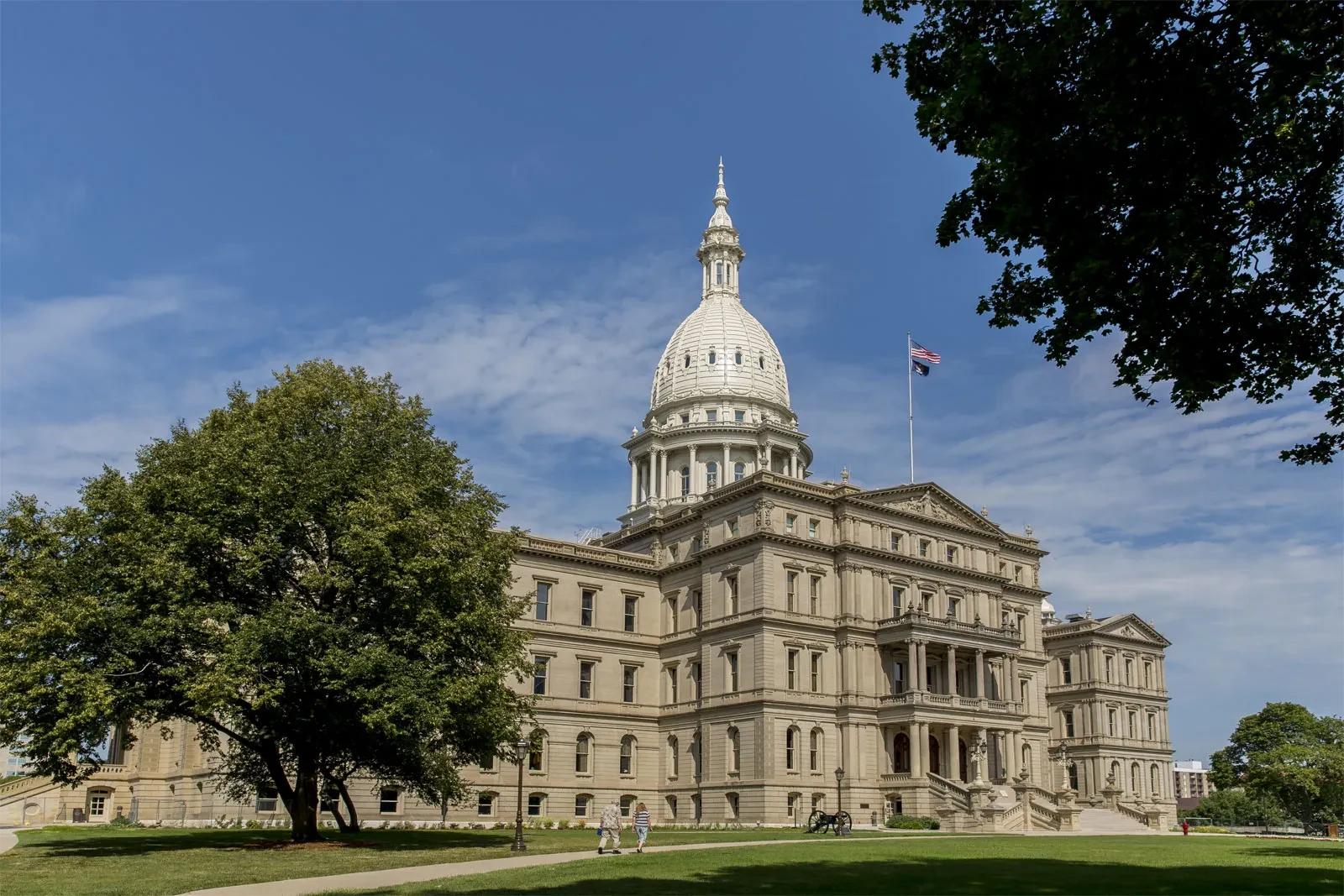
Grand Ledge Splits Between Riverside Manufacturing and a Historic Main Street
View project