
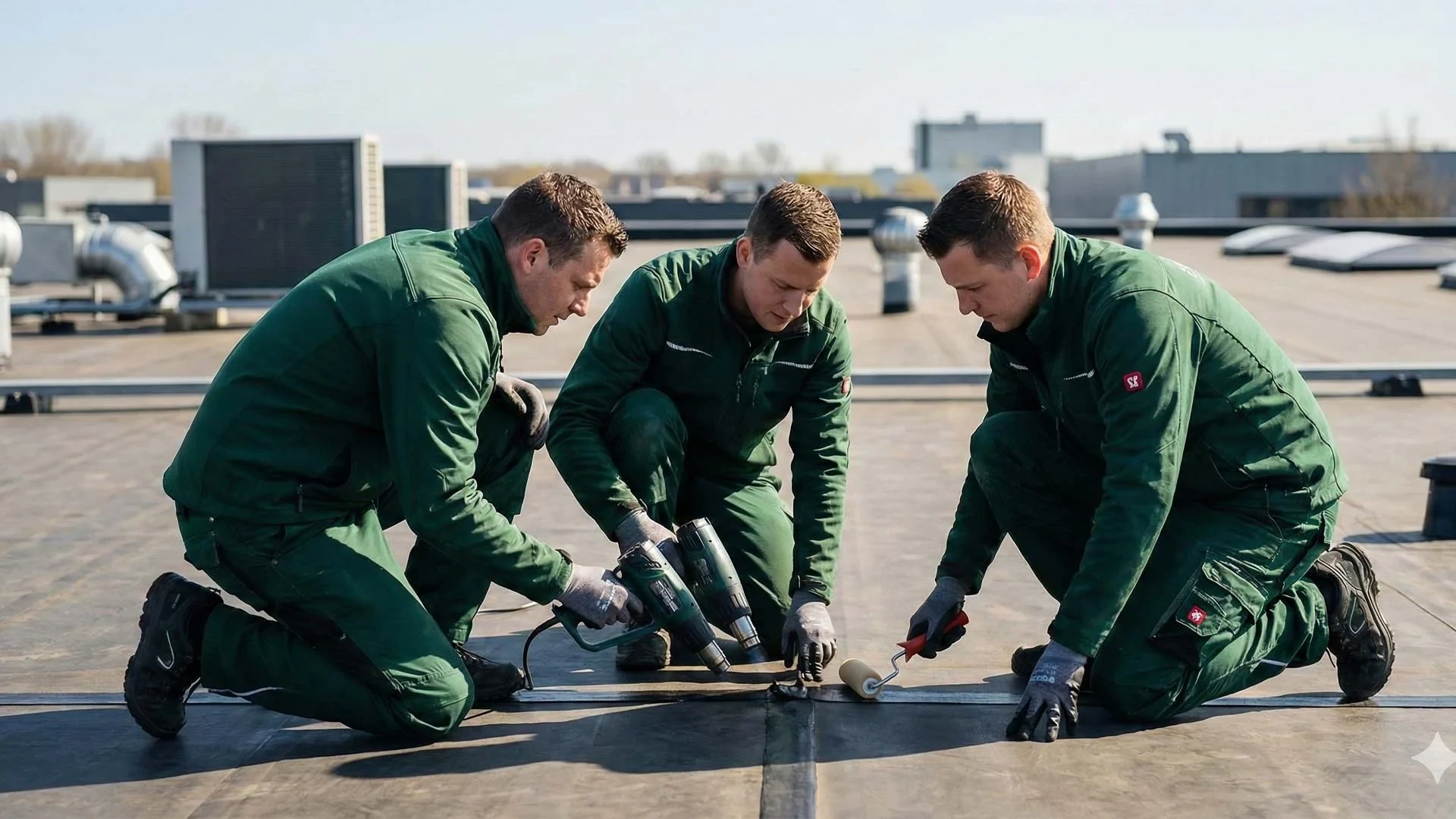
Commercial Reroofing in Lansing, MI
Lansing, Michigan
Reroofing Decisions for Lansing's State, Auto, and Campus Roofs
A lot of the commercial roof stock in the Lansing area is original to buildings that went up decades ago around state government, the auto plants, or the MSU campus in East Lansing. When one of those roofs starts failing in more than one spot, the question stops being "can we patch it again" and becomes a capital decision an owner has to make with real numbers, not a guess from the last contractor who was on the roof.
Why So Many Lansing Roofs Are Hitting This Point at Once
Downtown state office buildings near the Capitol, GM's Lansing Grand River and Delta Township assembly plants, and the mix of academic and support buildings around Michigan State went up in overlapping construction waves. A membrane that was installed with a 20-year warranty in the early 2000s is now past that window, and Michigan's freeze-thaw cycling does not forgive a roof that is coasting on its warranty date instead of its actual condition.
We see the same pattern across property types: repairs that used to hold for a full season now need attention twice a year, and the leaks are showing up in new locations instead of the same old spot. That shift is usually the signal that the membrane itself has reached the end of its service life, not the flashing detail alone.
Reading the Roof Before Writing Any Scope
Before we put a number in front of an owner, we walk the roof with core cuts and a moisture scan. On a 40,000-square-foot plant roof or a state office building with multiple additions stacked over the years, guessing at insulation condition is how a reroofing budget turns into a change-order argument once tear-off starts. We want to know deck type, insulation condition by zone, and where the low points in drainage actually are before we write a scope an owner can bid.
That survey also answers the question that drives the whole budget: does the existing insulation stay dry and code-compliant under a recover, or does wet insulation force a full tear-off regardless of what anyone would prefer to spend. We would rather deliver that answer before a bid goes out than after a crew finds it mid-demo.
Recover, Partial Tear-Off, or Full Replacement
Not every roof that has hit the end of its warranty needs to come off down to the deck. If the insulation is dry and still meets current code thickness, a recover over the existing roof can be a legitimate, lower-cost path that shortens the schedule and cuts disposal cost. Wet insulation, on the other hand, has to come out no matter what the budget prefers, because it will keep any new membrane from performing the way it is supposed to.
We lay out all three paths with real cost ranges and expected service life, because an owner comparing a recover against a full replacement needs to see what each option actually buys in years, beyond the dollar figure today.
Building a Bid Package That Holds Up
Once the scope is set, we write the spec so multiple contractors can price the same job the same way. A vague "reroof as needed" line item is how a project ends up with five wildly different bids that cannot be compared honestly. A bid package that protects an owner through the award and construction phases includes:
- Deck type and condition documented by roof zone, not assumed from drawings
- A clear recover-versus-tear-off determination backed by the moisture survey
- Named manufacturer systems for the base bid, with alternates spelled out rather than open "or equal" language
- Unit pricing for wet insulation removal and deck repair so surprises do not become change orders
- Wind uplift requirements matched to the building's actual height and exposure
- A drainage and tapered-insulation plan that fixes existing ponding points instead of repeating them
That level of detail is what keeps a reroof from turning into a post-award argument about what was and was not included in the original number.
Scheduling Around a Building That Cannot Close
State offices, hospital support buildings, and assembly plants do not get to shut down for a reroof. We sequence tear-off in sections, dry each section in before the crew moves on, and time louder or messier work like torch-applied modified bitumen around the hours the building actually needs to be quiet. Winter work windows are shorter in Lansing than in most of the country, so a reroof scoped in September has a different sequencing plan than one that has to push into November.
On tight downtown lots near the Capitol with no laydown yard, material staging and crane access get planned before mobilization, not worked out on the fly once trucks show up.
Questions Owners Ask Before Committing to a Reroof
How do I know if my roof needs a full reroof instead of another round of repairs?
If repairs that used to last a season are now failing within months, or leaks keep showing up in new spots instead of the same repaired area, the membrane has likely reached the point where patching is just deferring a bigger bill.
Is a recover cheaper than a full tear-off?
Usually, but only if the existing insulation is dry and still meets current code thickness. Wet insulation removes that option regardless of cost, because it will compromise whatever goes over it.
Can a reroof happen while our building stays fully occupied?
In most cases yes, sequenced in sections with each section dried in before the next opens. Hospitals, occupied offices, and active plant floors each require a different daily plan for noise, access, and interior protection.
What causes reroofing budgets to change after the bid is awarded?
Unpriced unknowns, mainly wet insulation and deck repair that were not covered by unit pricing in the original bid. A scope that includes unit prices for those items up front avoids that fight later.
How long does a reroof take on a typical Lansing commercial building?
It depends on square footage, deck condition, and how much of the building has to stay open during the work, so we give a project-specific schedule after the roof survey rather than a generic estimate.
Ready to review the roof scope?
Related Commercial Roofing Services
-
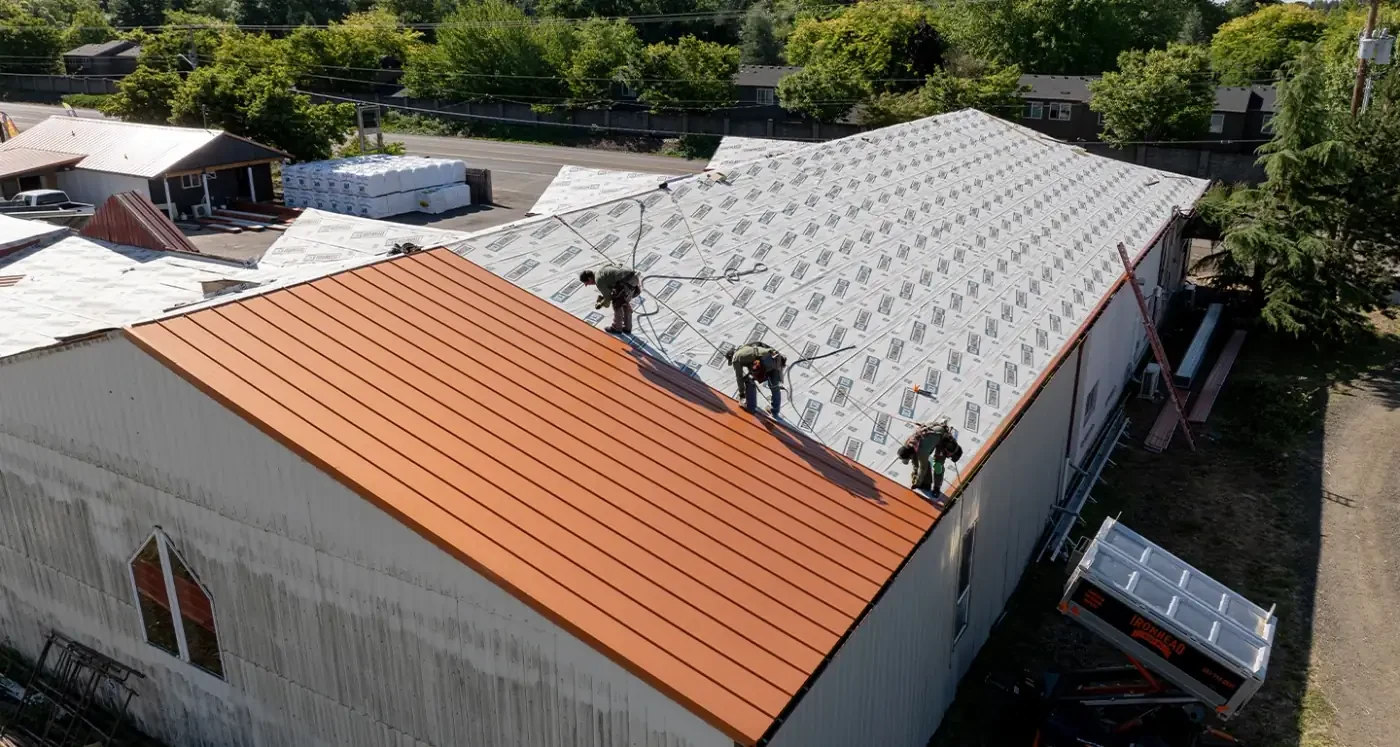
Standing Seam Metal for Distribution and Plant Buildings
View project -
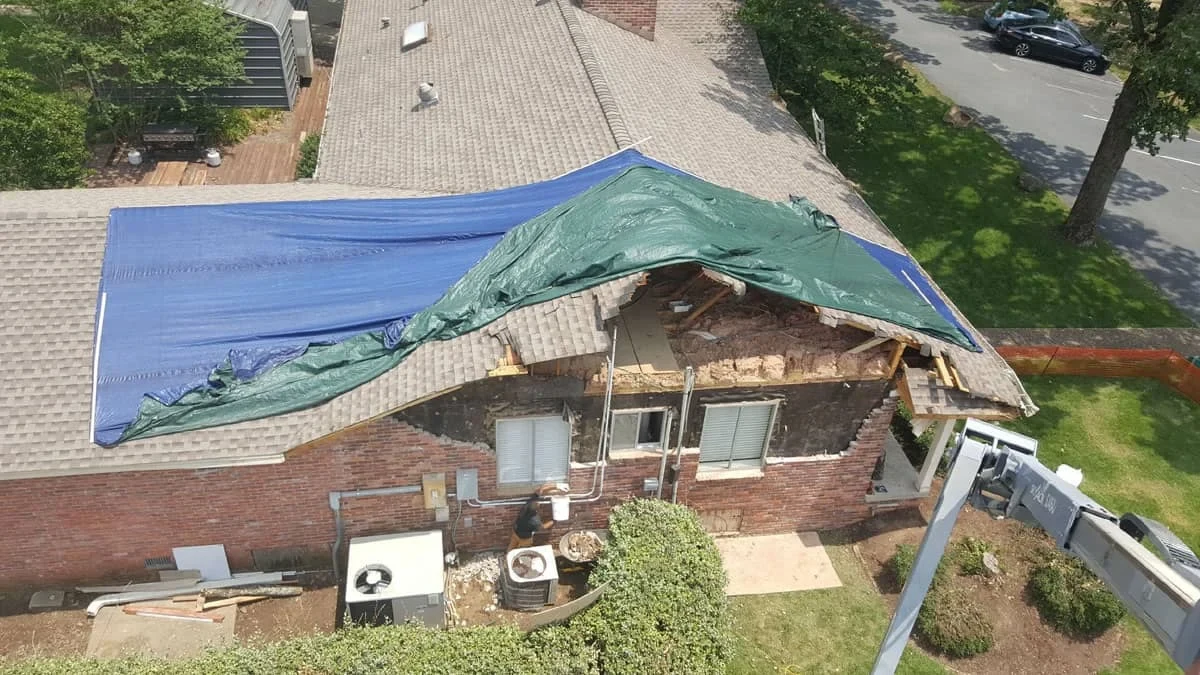
Repairing Lansing Roofs After Wind, Ice, and Derecho Damage
View project -
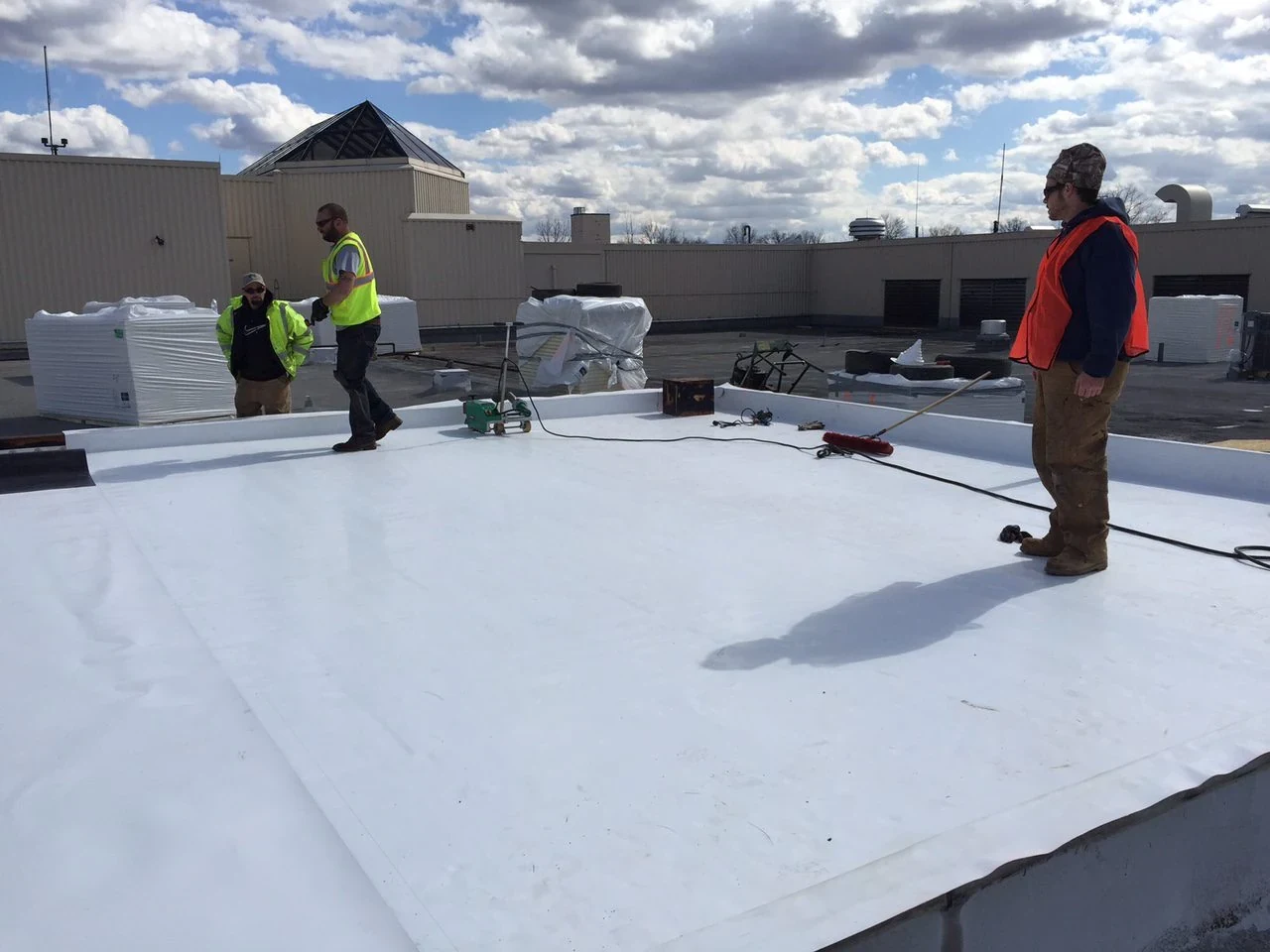
TPO Roofing for Lansing's State and Auto-Plant Buildings
View project -
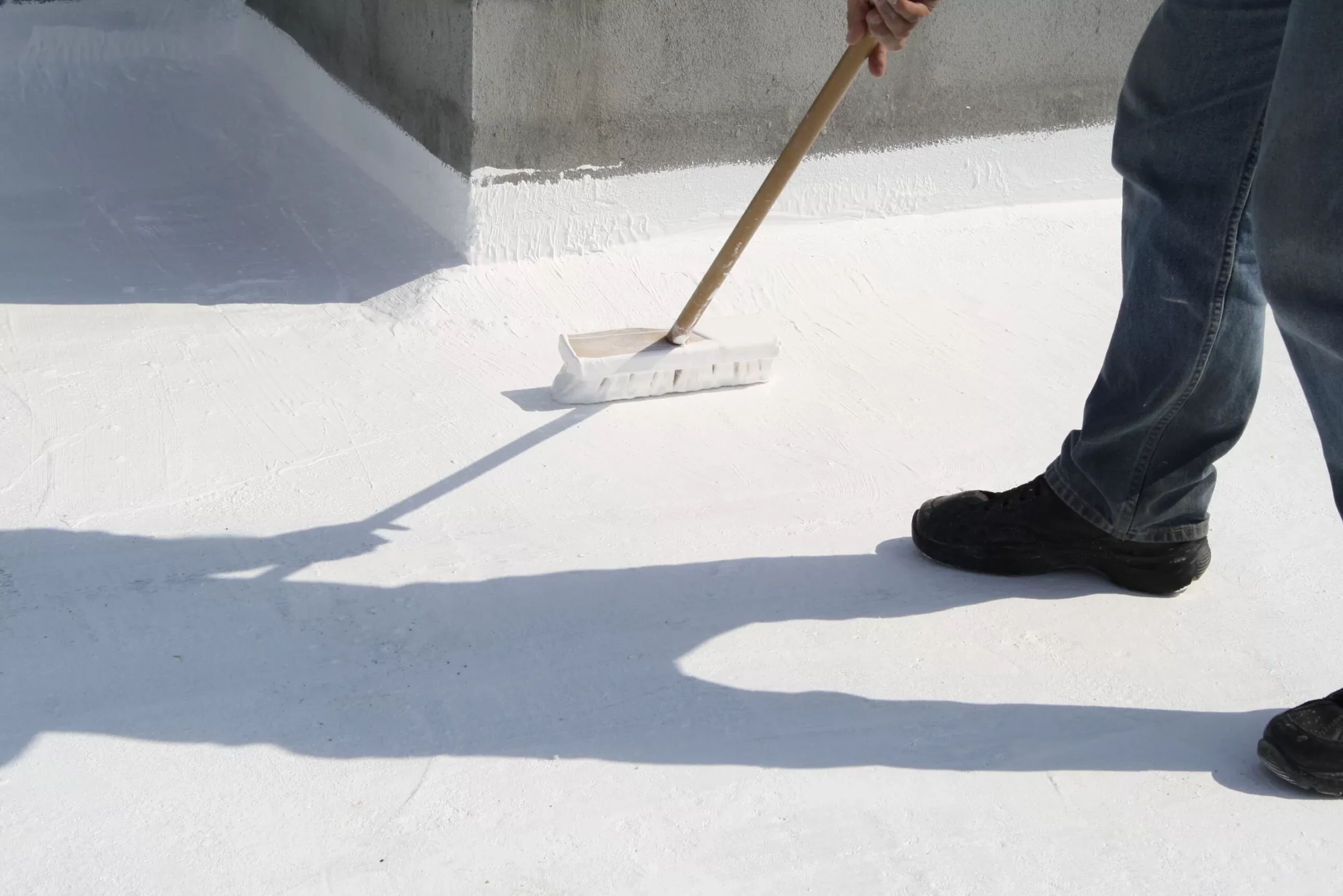
Acrylic Coatings: The Right Tool When Ponding Isn't the Problem
View project -
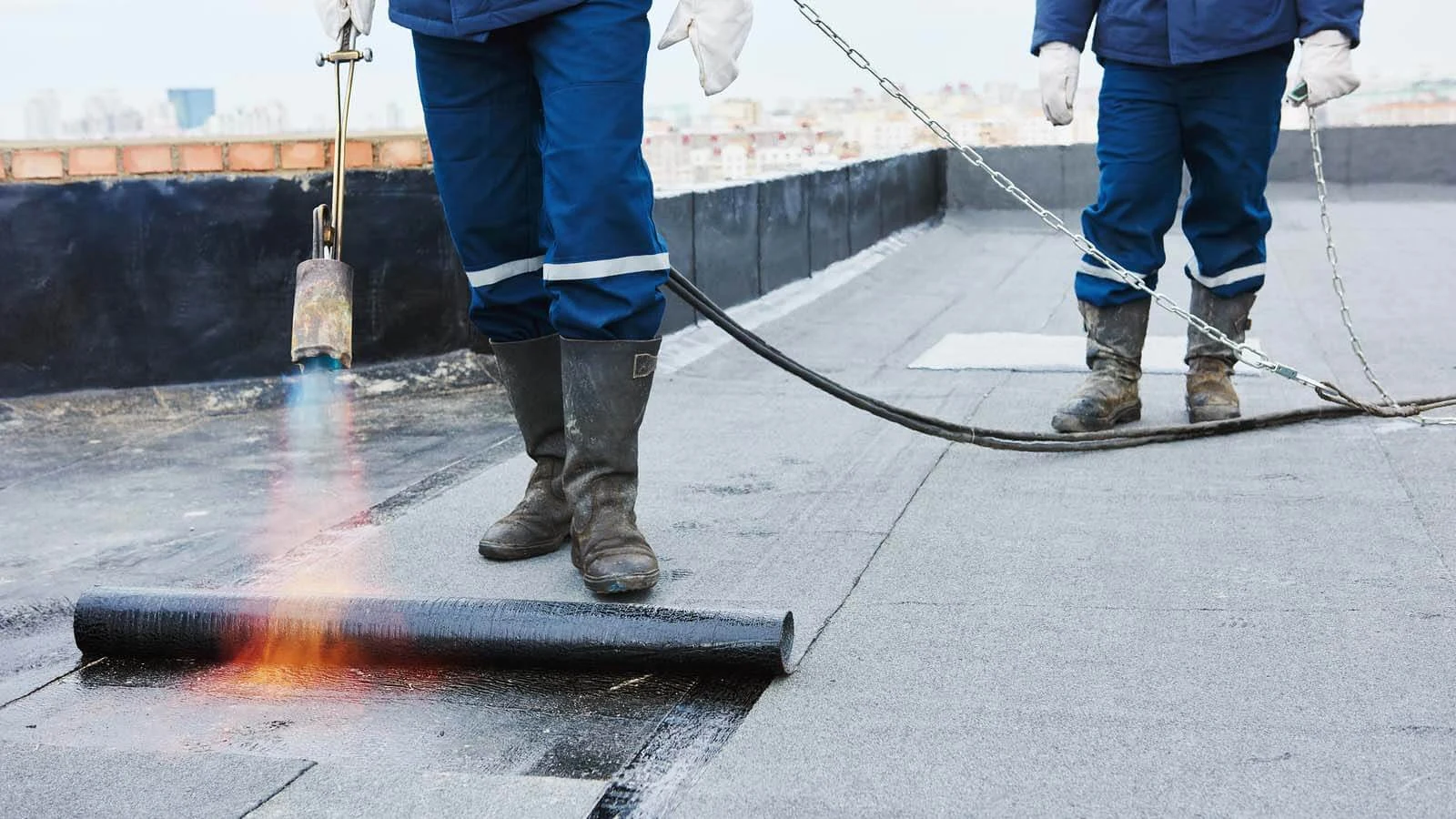
Legacy Gravel Roofs Still in Service Downtown and on Campus
View project -
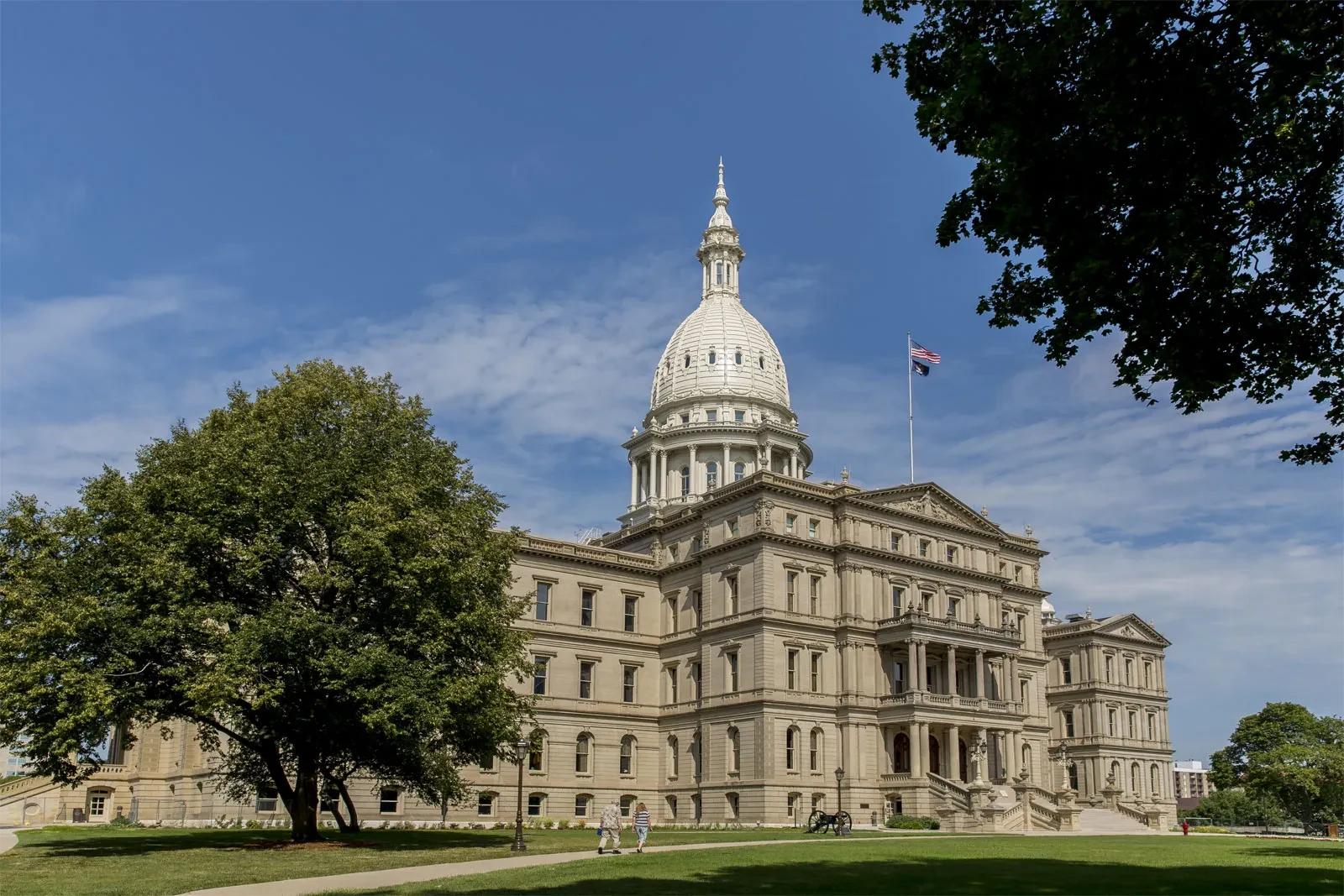
Fowlerville's Industrial Park Roofs Answer to the Fairgrounds Calendar
View project