
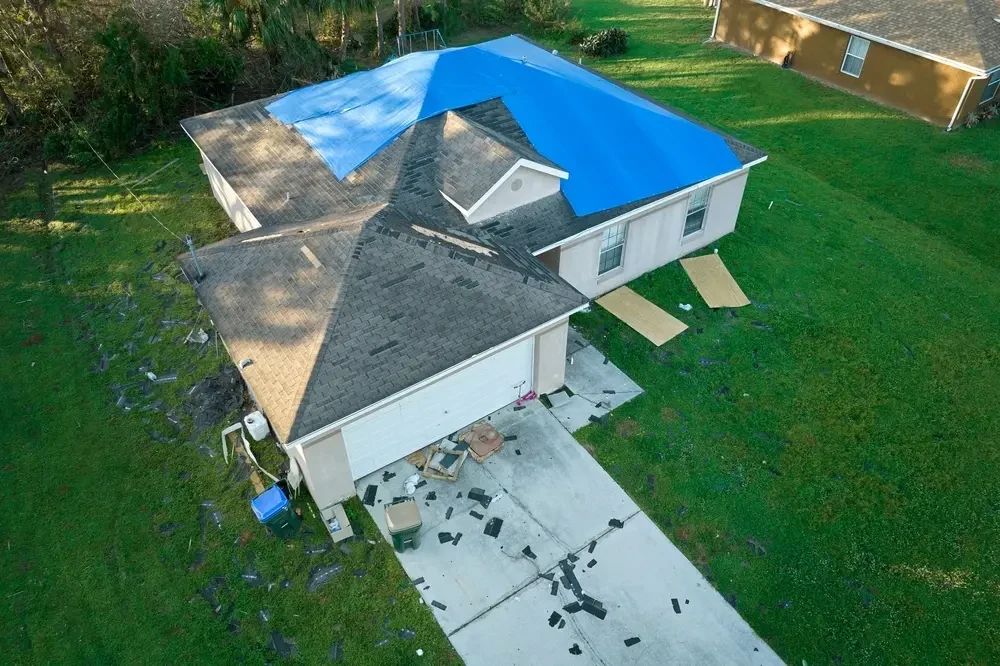
Emergency Tarp and Dry-In in Lansing, MI
Lansing, Michigan
Stopping Water Before It Costs More Than the Roof Damage Itself
The first hours after a roof opens up matter more than the eventual repair does. A hole that lets in rain for a full afternoon can soak insulation, damage ceiling grid, and ruin inventory or equipment in a fraction of the time it takes to schedule and complete a permanent fix, which is why emergency dry-in exists as its own service, separate from the repair that follows it.
What Counts as an Emergency on a Lansing Commercial Roof
Active water entry into an occupied space is always an emergency, whether it came from wind damage, a fallen tree limb during a spring thunderstorm, or a membrane failure that finally gave way during a heavy wet snow. Storm-driven damage after high wind events - including the occasional summer derecho that moves through mid-Michigan - often looks worse from the ground than it is, or better than it is, which is why we assess the actual roof condition before deciding what stabilization is needed rather than guessing from a phone description.
Hospitals, schools, plant floors with sensitive equipment, and any building with occupants who cannot simply relocate for a few hours all get priority response, because the cost of delay in those buildings is higher than in a vacant warehouse bay.
What a Tarp-and-Dry-In Actually Involves
This is not a blue tarp thrown over a hole and weighted with cinder blocks. A proper emergency dry-in secures a weatherproof membrane or tarp system anchored to the roof deck or structure in a way that survives wind loading, seals the edges against wind-driven rain, and protects the interior until permanent repair or replacement can be scoped and scheduled. On a low-slope commercial roof, that means paying attention to drainage so the temporary system does not simply redirect water to a different failure point.
We document the damage with photographs before covering it, since that record matters for insurance conversations and for scoping the permanent repair once the emergency phase is over.
Sequencing After the Immediate Stabilization
- Interior protection - tarping equipment, moving inventory, controlling water flow to a drain point
- Photo documentation of the damage before and after temporary stabilization
- A same-week or next-week assessment of what permanent repair the damage actually requires
- Coordination with the facility team on access, safety, and any areas that need to stay closed off
- A written scope for the permanent fix once the immediate risk is controlled
- Removal and disposal of the temporary system once permanent work begins
Skipping the documentation step is one of the most common mistakes we see from owners who try to handle an emergency without a contractor involved from the start - by the time an insurance conversation happens, there is no photographic record of the original damage extent.
Why Speed Matters More Than Perfection in the First Hours
A temporary dry-in does not need to be pretty, it needs to stop water from getting further into the building than it already has. We would rather get a secure, weathertight cover on a damaged roof section within hours than wait to mobilize a full crew for a more polished temporary fix two days later, while the interior keeps absorbing water in the meantime.
That said, a rushed tarp job that blows off in the next wind event creates a second emergency on top of the first one. We anchor for the wind conditions actually forecast for the coming days, rather than for calm weather alone, because Michigan storm systems often arrive in multi-day sequences rather than a single event.
What This Costs Compared to Doing Nothing Until the Permanent Fix
Owners sometimes ask whether the emergency dry-in step is really necessary if the permanent repair is already being scheduled for later that week. The answer is almost always yes, because interior damage compounds every hour water keeps entering the building. Saturated insulation has to be replaced, not dried out. Ceiling grid and tile exposed to repeated water intrusion warps and has to be replaced. Inventory or equipment damage from a preventable delay is a cost that had nothing to do with the original roof problem and everything to do with how long it sat open. The dry-in is what keeps a roof problem from becoming an interior renovation problem.
Coordinating With Facilities and Security Teams
On larger institutional and plant properties, an emergency response involves more than a roofing crew showing up. We coordinate access with security, confirm which areas of the building need to stay closed off during the work, and communicate a realistic timeline to whoever is managing tenant or occupant concerns. That coordination is part of what keeps an emergency response from creating its own disruption on top of the storm damage it is responding to.
Emergency Response Questions From Owners
How fast can you respond to an active roof leak or storm damage?
Active water entry gets same-day priority whenever possible. Response time depends on the scale of the storm event and how many calls are coming in at once, but we do not put an active leak on a normal scheduling queue.
Will a temporary tarp hold up in another storm before permanent repair happens?
A properly anchored dry-in system is built to hold through additional weather, not only the initial event. We check forecast conditions when installing it and reinforce accordingly.
Do you document the damage for our insurance claim?
Yes, we photograph and describe the observed damage as part of the emergency response. That documentation supports your claim conversation, though we do not make promises about how a carrier will rule on it.
How long can a building operate under a temporary dry-in before permanent repair is needed?
It depends on the extent of damage and the season, but a temporary system is not meant to be a long-term solution. We schedule the permanent scope as soon as the emergency phase is stable and the assessment is complete.
What if the damage turns out to be worse than it looked from inside the building?
That is common. We reassess once we are actually on the roof and adjust the stabilization and repair scope based on what we find, rather than what was visible from a ceiling stain alone.
Ready to review the roof scope?
Related Commercial Roofing Services
-
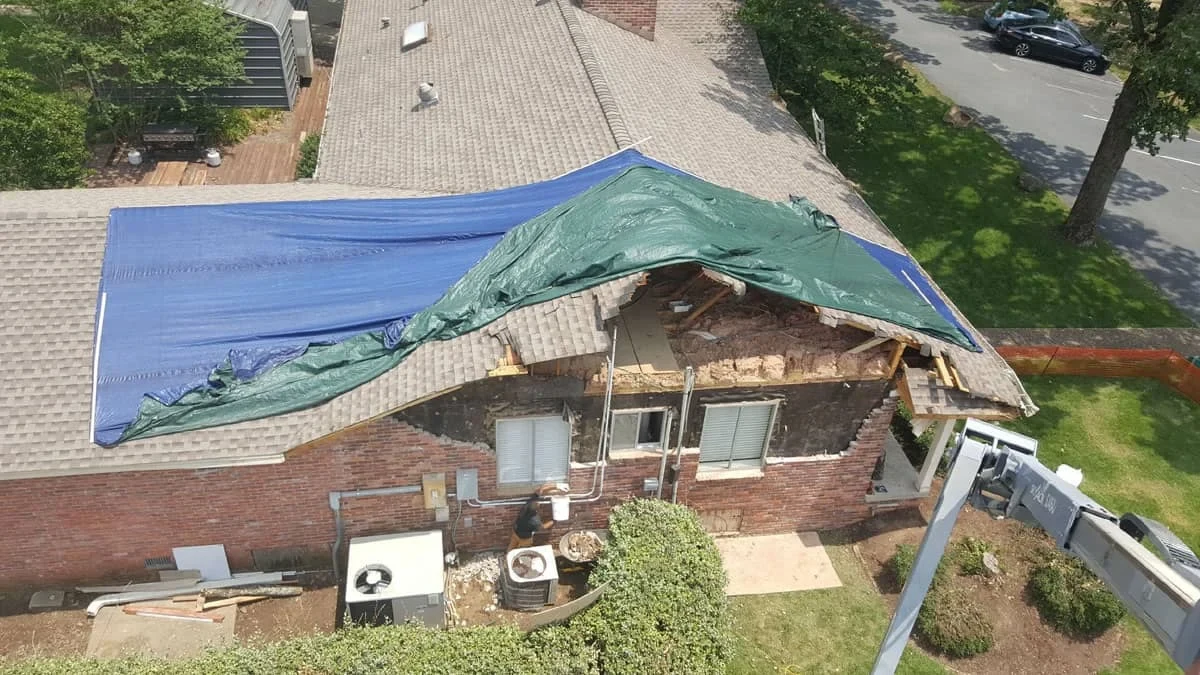
Repairing Lansing Roofs After Wind, Ice, and Derecho Damage
View project -
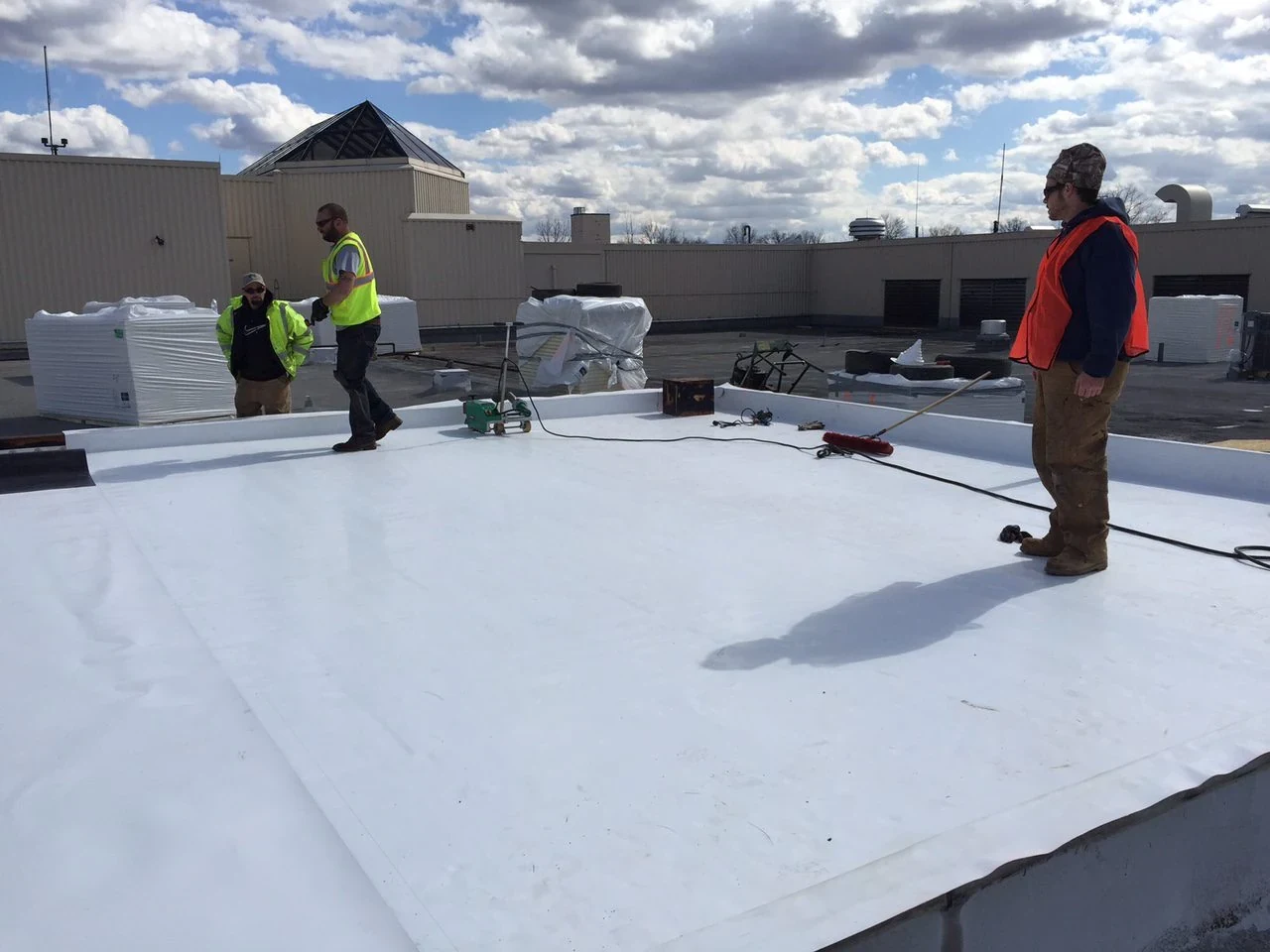
TPO Roofing for Lansing's State and Auto-Plant Buildings
View project -
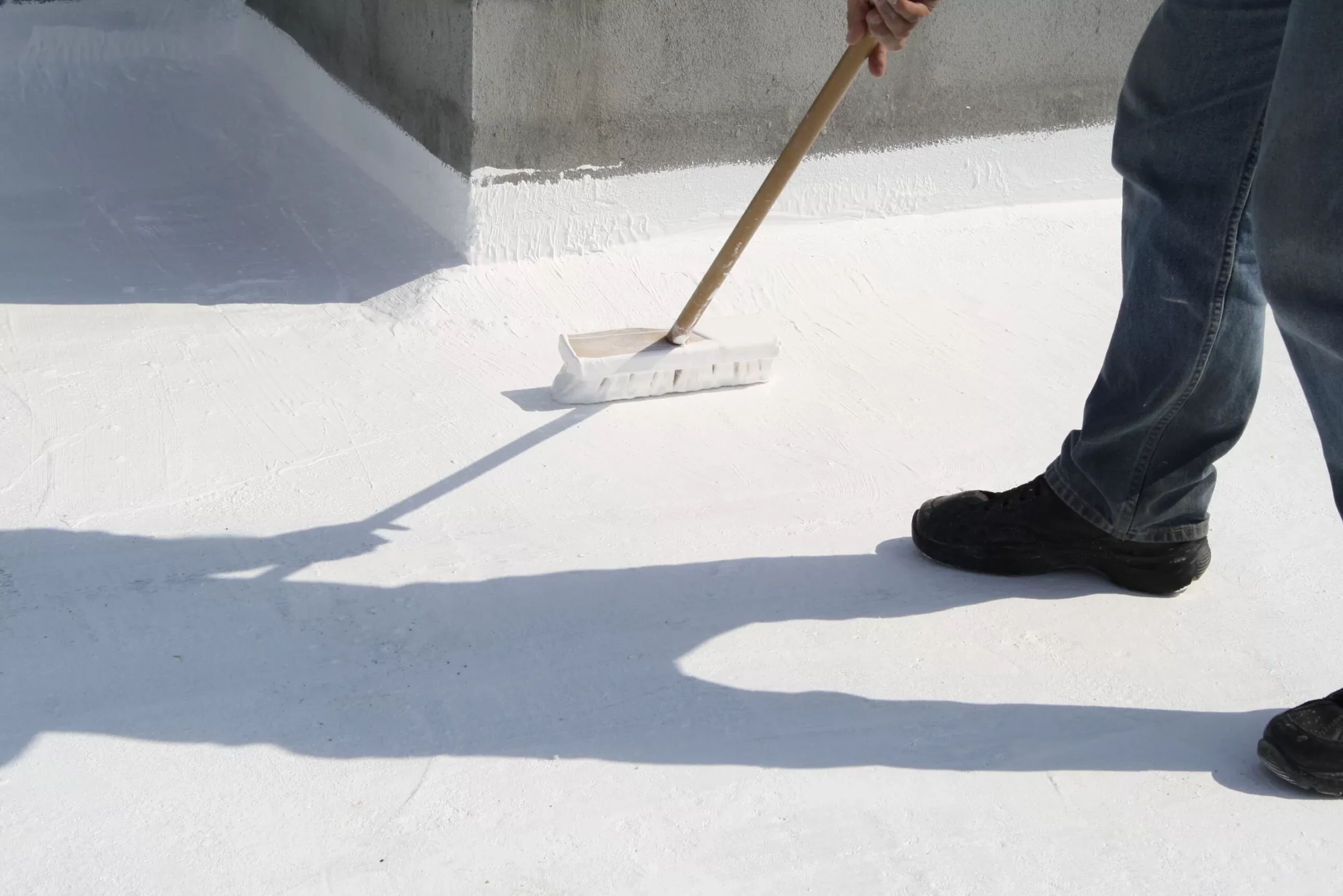
Acrylic Coatings: The Right Tool When Ponding Isn't the Problem
View project -
Legacy Gravel Roofs Still in Service Downtown and on Campus
View project -
Reroofing Decisions for Lansing's State, Auto, and Campus Roofs
View project -
Roofing Decisions for Potterville's Small Commercial Buildings
View project