
Government & Municipal Roofing in Lansing, MI
Lansing, Michigan
Roofing Decisions for the Buildings the State of Michigan Runs Every Day
Downtown Lansing carries a roof inventory unlike most commercial districts: state office towers, county buildings, and city facilities that can't simply close while work gets done. We plan around procurement rules, occupied-building sequencing, and fiscal calendars that private landlords never have to think about.
The Capitol Complex's Roof Stock Is Older Than Most Commercial Buildings in Town
Many of the state office buildings clustered around the Capitol dome and along Ottawa and Allegan streets went up decades before current wind-uplift and insulation codes existed. Buildings like the Romney and Hollister complexes carry roof systems that have been patched, recovered, and patched again rather than replaced outright, because a full tear-off on an occupied state office building is never a simple undertaking.
Before we recommend anything on a building like that, we open up the existing roof assembly and look at what's actually holding moisture versus what's just cosmetically tired. A membrane that looks rough from the ground can still be performing, and a membrane that looks fine can be masking soaked insulation underneath. Guessing from a drone photo isn't good enough on a building this old.
DTMB Procurement Timelines and the Fiscal-Year Line Item
State and county roof projects usually don't start with a phone call about a leak. They start as a line item in a capital budget approved months earlier, sized to a scope that may or may not match what the roof actually needs by the time the money clears. We write proposals that map onto that process directly: itemized pricing broken out by roof area, phased options if the full budget doesn't survive the approval cycle, and documentation a purchasing agent can move through review without sending it back for clarification.
We've seen projects where the approved budget assumed a coating system would work, and a site inspection then turned up decking damage that requires tear-off instead. Flagging that gap early, with photos and a written explanation, keeps the project from stalling in a second round of budget approval.
Sequencing Work Around Buildings That Can't Close
A county courthouse doesn't get to suspend hearings while a roof crew works overhead, and a public library that's the only free computer access point in some Ingham County neighborhoods doesn't get to lock its doors for two weeks. We break tear-off and dry-in into zones sized to what the building's daily operations can actually absorb, coordinating start times, material staging, and noisy work around court schedules or public hours rather than around what's easiest for the crew.
That kind of sequencing takes coordination with whoever runs the building day to day, not the office managing the contract alone. A building supervisor knows which stairwell gets used for evacuation drills and which loading area service vehicles actually need clear, details that don't always make it into a bid document.
- State office buildings along the Capitol complex
- Ingham County administrative and court buildings
- City of Lansing public safety facilities
- Branch libraries and community centers
- Water and utility administration buildings
- School district central offices
A Records Request Can Surface a Roof Decision Made Years Ago
Public-sector roofing has a way of resurfacing. A budget audit, a new facilities director, or a resident's records request can pull up a decision made a decade earlier, and whoever's answering for it needs more than our recollection of what happened. We keep material specs, inspection notes, and dated photos organized by building and by phase, so the paper trail holds up regardless of who's asking or who's since moved on from the account.
Turnover in public facilities roles happens more than people expect. A project fully understood by one director can turn into an open question for whoever inherits the building next, unless the documentation was built to stand on its own.
Warranty Terms Written for a Government Bid File, Not Fine Print
State and county bid packages often specify manufacturer warranty length, wind-uplift class, and material type in more detail than a private landlord would ever ask for, because the specification itself becomes part of the public record. We spell those terms out clearly in the proposal rather than leaving them implied, so whoever reviews the bid on the government side can confirm it meets spec without a follow-up call.
That detail matters again years later, when a warranty claim depends on someone locating the original paperwork. We keep copies of the registered manufacturer warranty and our own installation records on file so a facilities office isn't stuck chasing down a contractor that may not still hold the account by the time something needs to be pulled.
What Facilities Directors in Lansing Ask Before a Bid
How do you handle a roof project that spans two fiscal years?
We scope the work in phases tied to the budget cycle, building each phase to fully protect the structure until funding for the next one is approved.
Can you work around courtroom or public-hours schedules?
Yes. We section the roof and time noisy or disruptive work to match the building's actual operating hours, confirmed directly with facility staff before work starts.
What happens if you find decking damage that wasn't in the original scope?
We stop, document it with photos, and provide a written change order explanation the facilities office can take back through approval rather than making the call ourselves.
Do you provide documentation that survives a change in facilities staff?
Every project closes with a written scope, material specs, warranty paperwork, and dated photos organized so a new director can pick up the file without needing us to explain it.
Are older state buildings held to different roofing standards than newer construction?
Often, yes. Many were built under older deck and insulation standards, so we evaluate the existing structure before recommending a system instead of defaulting to whatever's newest on the market.
Ready to review the roof scope?
Related Commercial Project Types
-
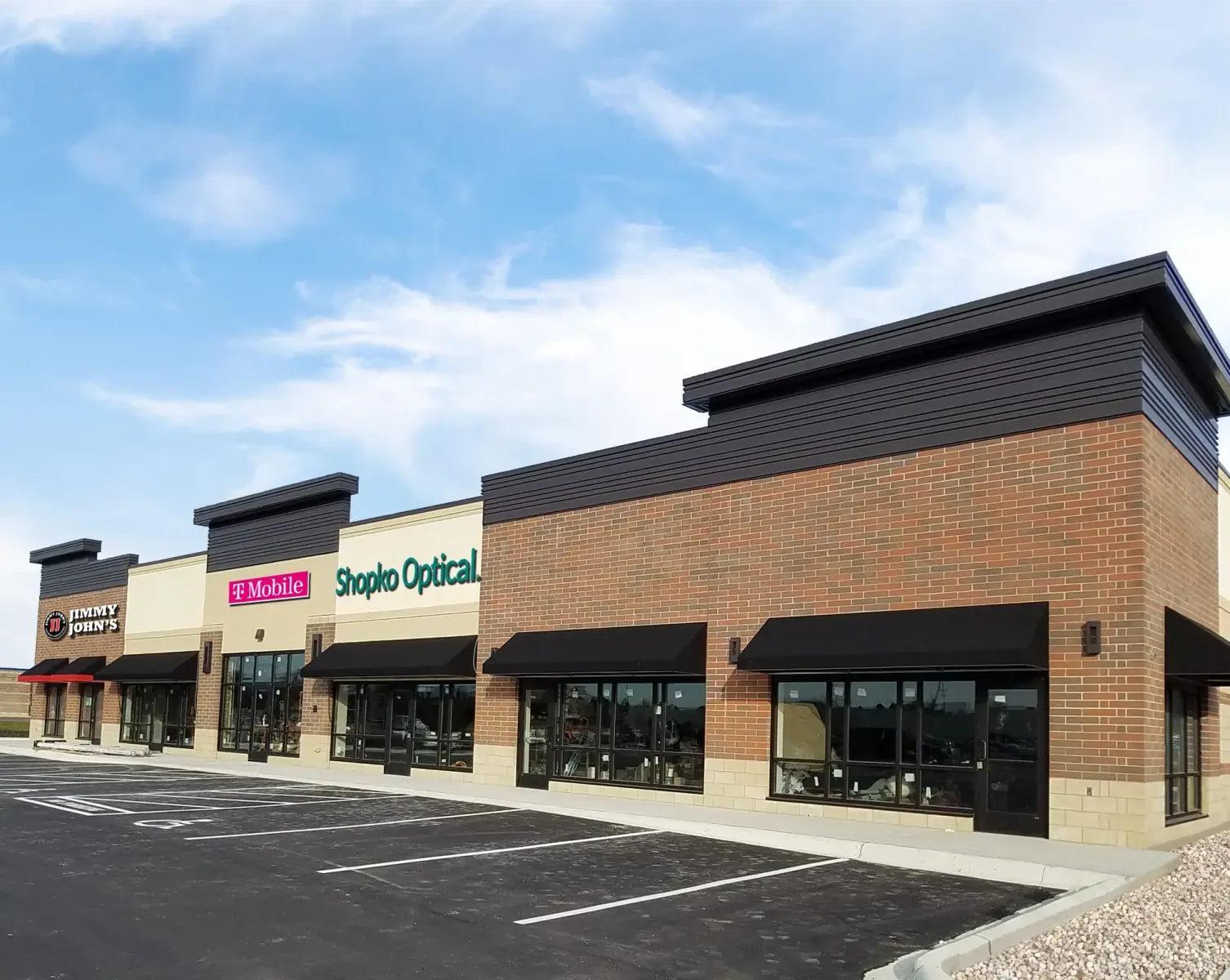
Keeping the Doors Open While the Roof Gets Fixed
View project -
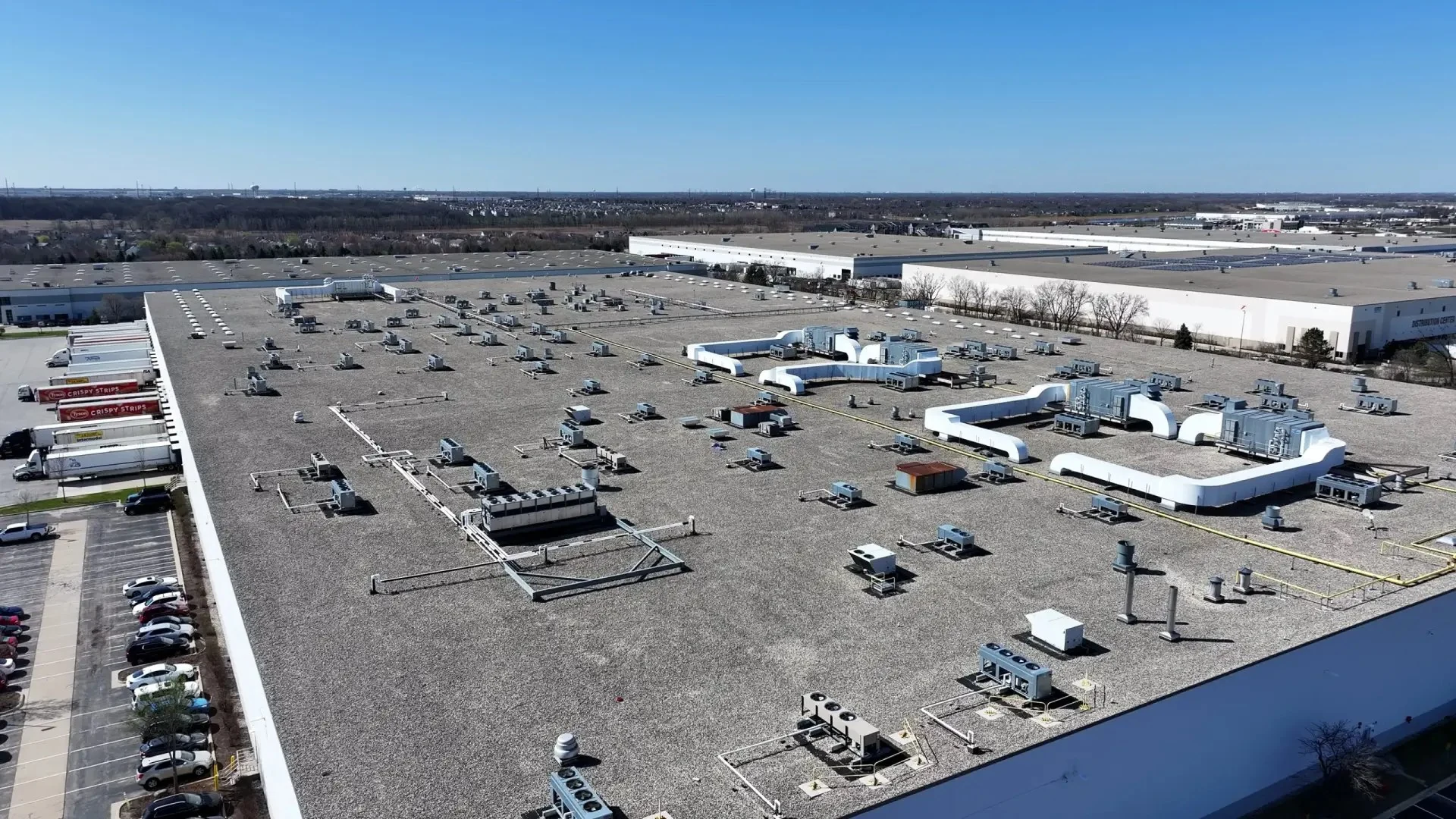
Roofs Built to Match the Scale of a Regional Distribution Hub
View project -
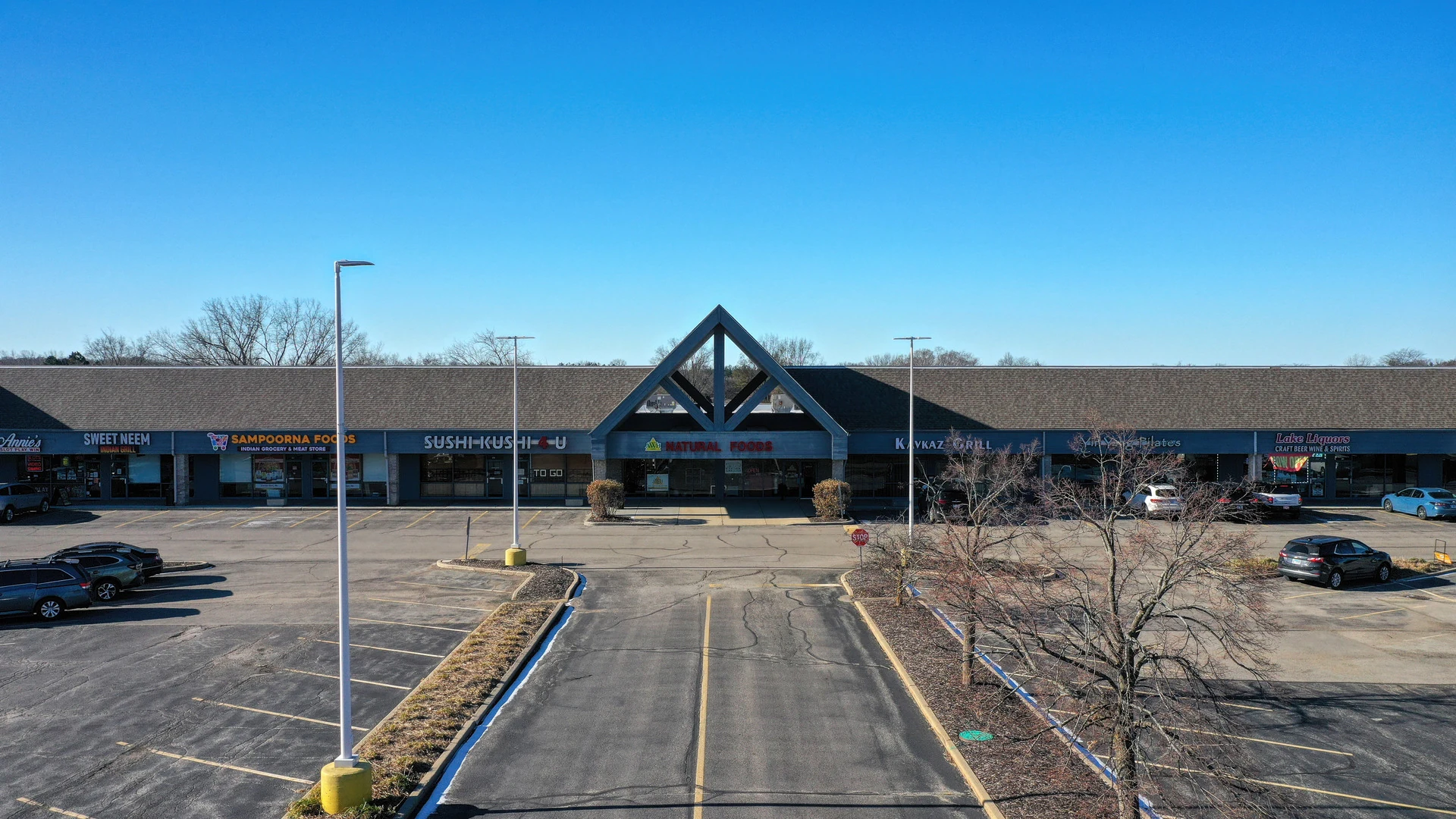
Roofs Carrying More Refrigeration Than Most Retail Buildings Ever Will
View project -
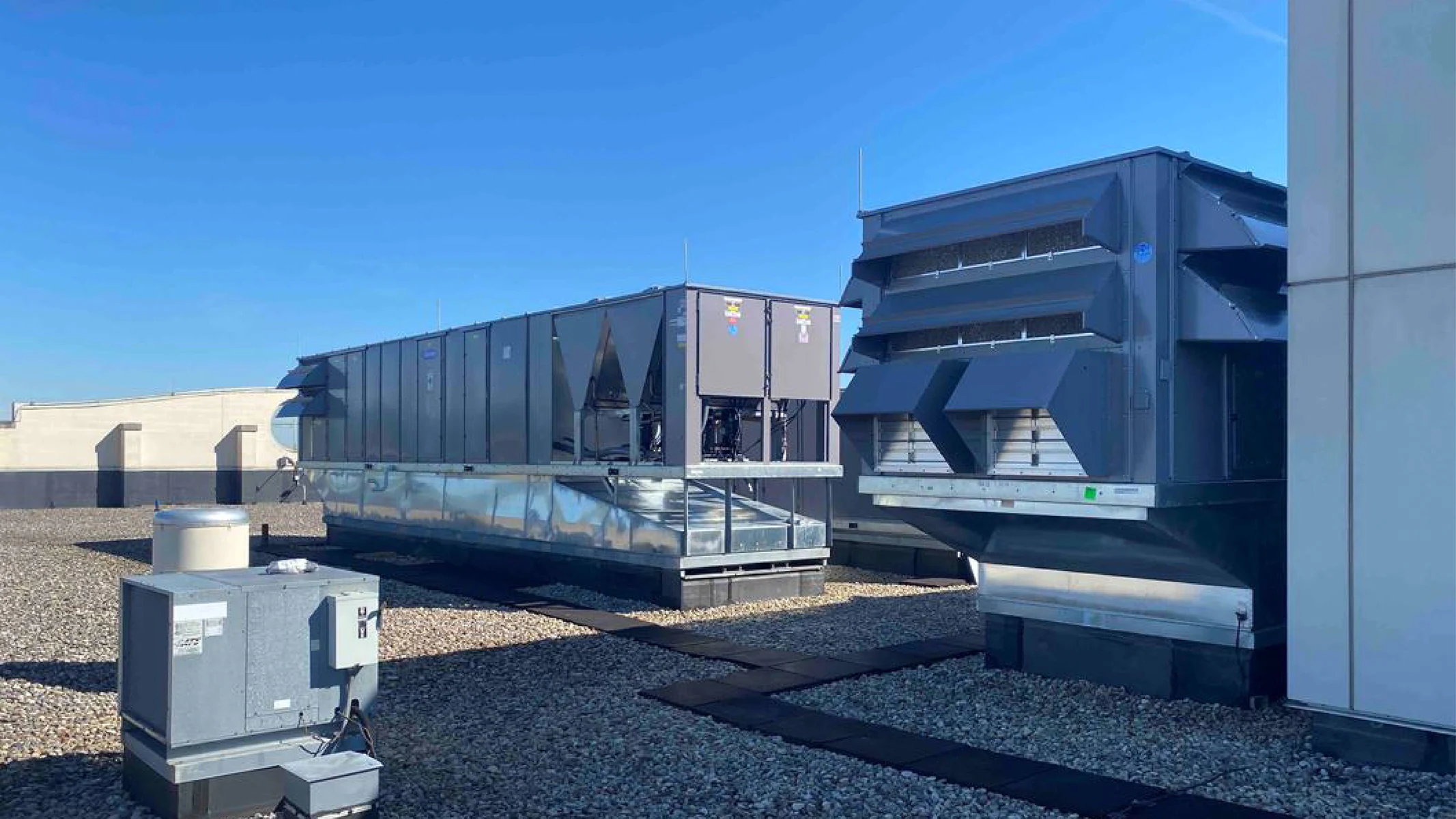
Roofing a Campus the Size of a Small City
View project -
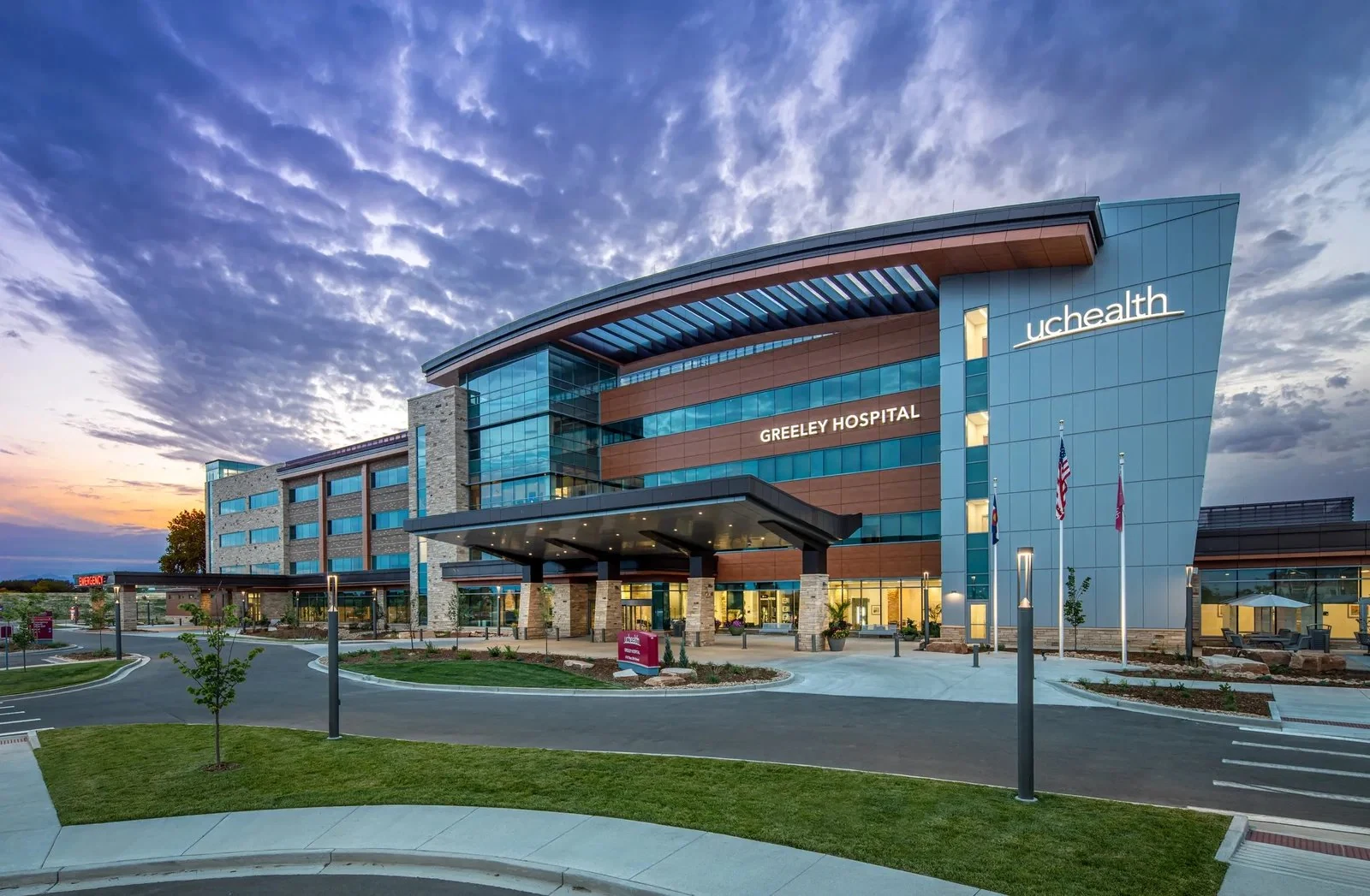
Roof Work Over Buildings That Never Close
View project -

Acrylic Coatings: The Right Tool When Ponding Isn't the Problem
View project