
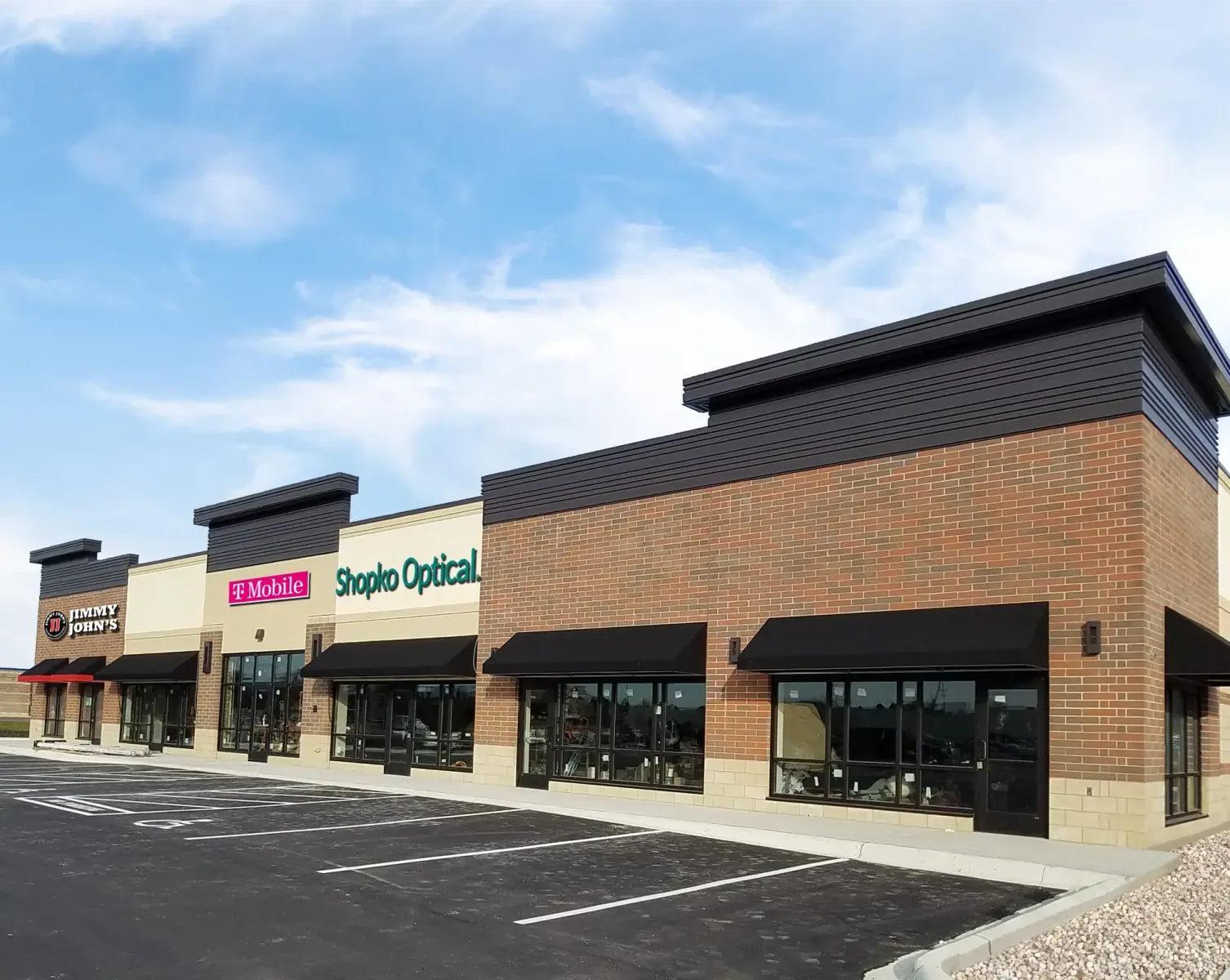
Big-Box Retail Roofing in Lansing, MI
Lansing, Michigan
Keeping the Doors Open While the Roof Gets Fixed
Anchor stores at Lansing Mall, Eastwood Towne Center, and Meridian Mall generate revenue every hour they're open, and a roof project that closes even one entrance costs a retailer more than most landlords account for upfront. We plan big-box retail roofing around keeping the store open, not around what's simplest for the crew.
Anchor Stores Can't Close for Roof Work
A big-box anchor tenant at a mall or shopping center typically has a lease that assumes continuous operation, and closing even a section of the sales floor for roof work creates a conversation between the retailer and the landlord that neither one wants to have. We section big-box roofs into zones that let us complete tear-off and dry-in without shutting down the retail floor beneath, moving equipment and staging to match store hours rather than our own preference.
That sectioning usually means working early mornings before doors open and staging material overnight, coordinated with store management on exactly which entrance and loading area stay clear for customer and delivery traffic throughout the project.
Holiday Season Is Off the Table
Retail roof projects have to work around the calendar the way school projects work around the school year, except the deadline runs the other direction. Any store generating meaningful holiday-season revenue treats the stretch from early November through the new year as untouchable for disruptive roof work, and we build our scheduling recommendations around avoiding that window entirely rather than trying to squeeze a project in around it.
We tell owners this directly when a roof condition doesn't strictly require emergency action: better to wait a few weeks and hit a clean spring or fall window than to rush a project into a holiday season and create friction with the store's operations team.
Aging Built-Up Roofs Under Big-Box Footprints Need a Different Recover Strategy
A lot of the retail stock built during the mall and big-box boom decades ago still carries original built-up roofing, now well past its expected service life and often recovered once already. Recovering a roof that's already been recovered once requires a careful look at total assembly thickness and weight, since piling a third layer onto an aging structure isn't always structurally sound even when it looks financially attractive upfront.
We run the numbers on total roof assembly weight before recommending another recover layer, because a structural engineer's sign-off matters more on an older big-box building than most owners initially expect it to.
When the numbers don't support a second recover, tear-off usually turns out cheaper over a ten-year horizon anyway once an owner factors in the risk of a structural problem surfacing mid-lease. We lay out both paths with real cost ranges so the decision isn't made on assumption alone.
- Big-box anchor stores at malls and shopping centers
- Standalone big-box retail buildings
- Grocery-anchored strip center roofs
- Mall common-area and interior corridor roofs
- Retail pad sites and outparcel buildings
- Discount and warehouse-club retail roofs
Rooftop HVAC Units Multiply the Penetrations a Retail Roof Manages
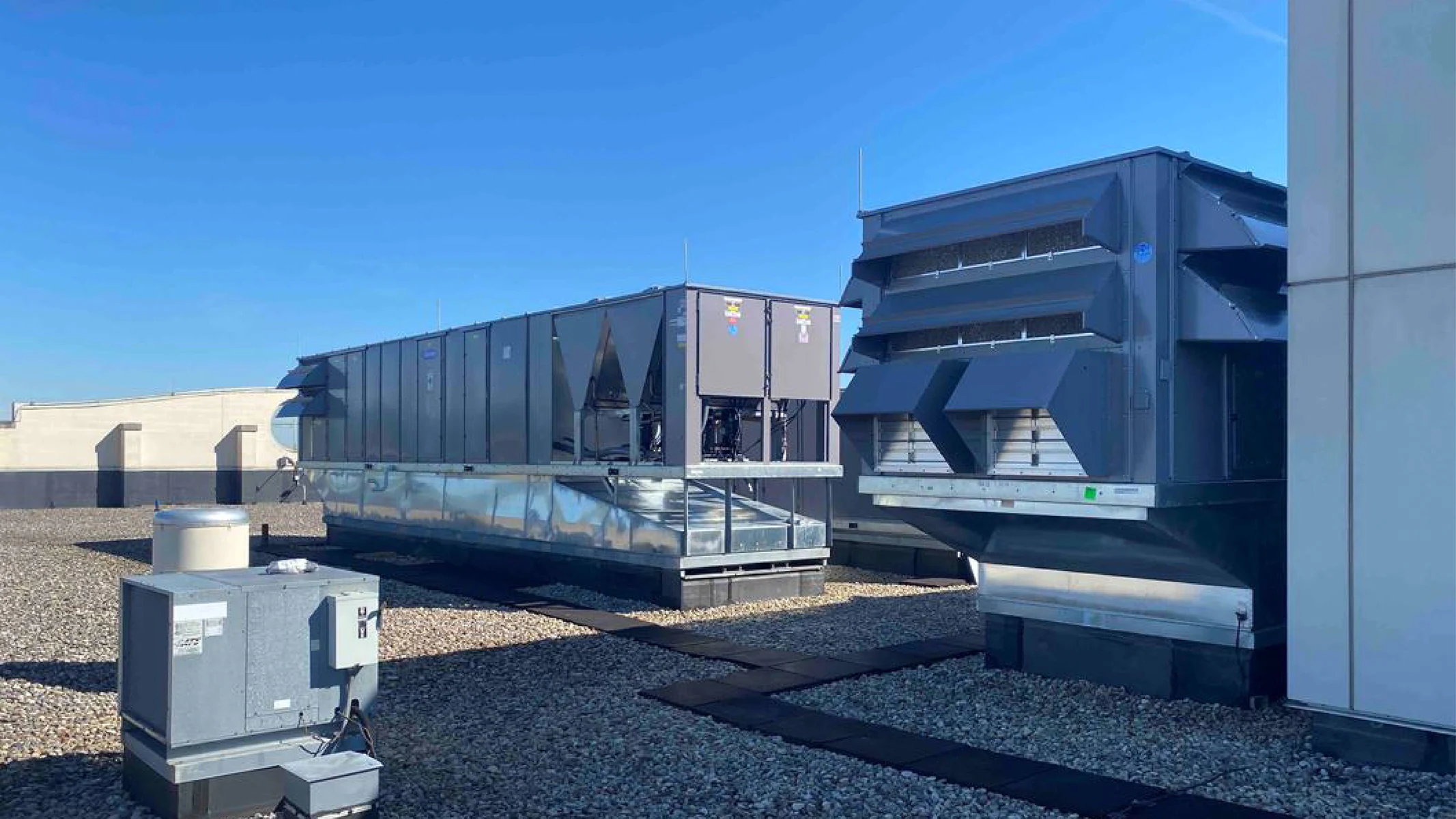
A big-box store's rooftop is typically covered with HVAC units serving different zones of the sales floor, and each unit means a curb, a set of flashing details, and a potential leak point that ages independently of the field membrane around it. We inspect curb and flashing condition around every rooftop unit as a separate line item from general membrane condition, since that's where the majority of retail roof leaks actually originate.
A store manager reporting a leak near the electronics section or the checkout lanes is usually pointing us toward a specific HVAC unit overhead, and tracing the report back to that unit's curb condition is often faster than a blind inspection of the entire roof field.
Meridian Mall and the South Lansing Corridor Carry Different Roof Ages
Retail buildings around Meridian Mall in Okemos and along the Cedar Street and Martin Luther King Jr. Boulevard corridors in South Lansing were built across different decades, which means roof age and system type vary significantly even between stores that look similar from the parking lot. We evaluate each store's roof on its actual installation history rather than assuming a similar-looking building down the road shares the same condition.
That variation matters for owners managing multiple retail locations across the region, since a maintenance plan built for one property's roof age doesn't automatically transfer to another location with a completely different roof history.
Retail Roofing Questions From Store and Regional Managers
Can roof work happen without closing the store to customers?
In most cases, yes. We section the work and schedule disruptive tasks before store hours, coordinating specifically on entrance and loading area access.
Will you schedule projects during the holiday season if we ask?
We'll discuss it, but we recommend against it unless the roof condition requires emergency action, since disruption during peak sales periods carries real cost.
Can you recover a roof that's already been recovered once before?
We check total assembly weight and structural capacity first. If a second recover isn't structurally sound, we'll say so rather than adding a layer that shouldn't go on.
How do you find the source of a leak reported near a specific department?
We start with the rooftop HVAC unit closest to that area, since curb and flashing issues around units are the most common source of retail roof leaks.
Do all the retail buildings in one shopping center need the same roof system?
No. Each building's roof age and condition varies even within one center, so we evaluate and recommend systems building by building.
Ready to review the roof scope?
Related Commercial Project Types
-
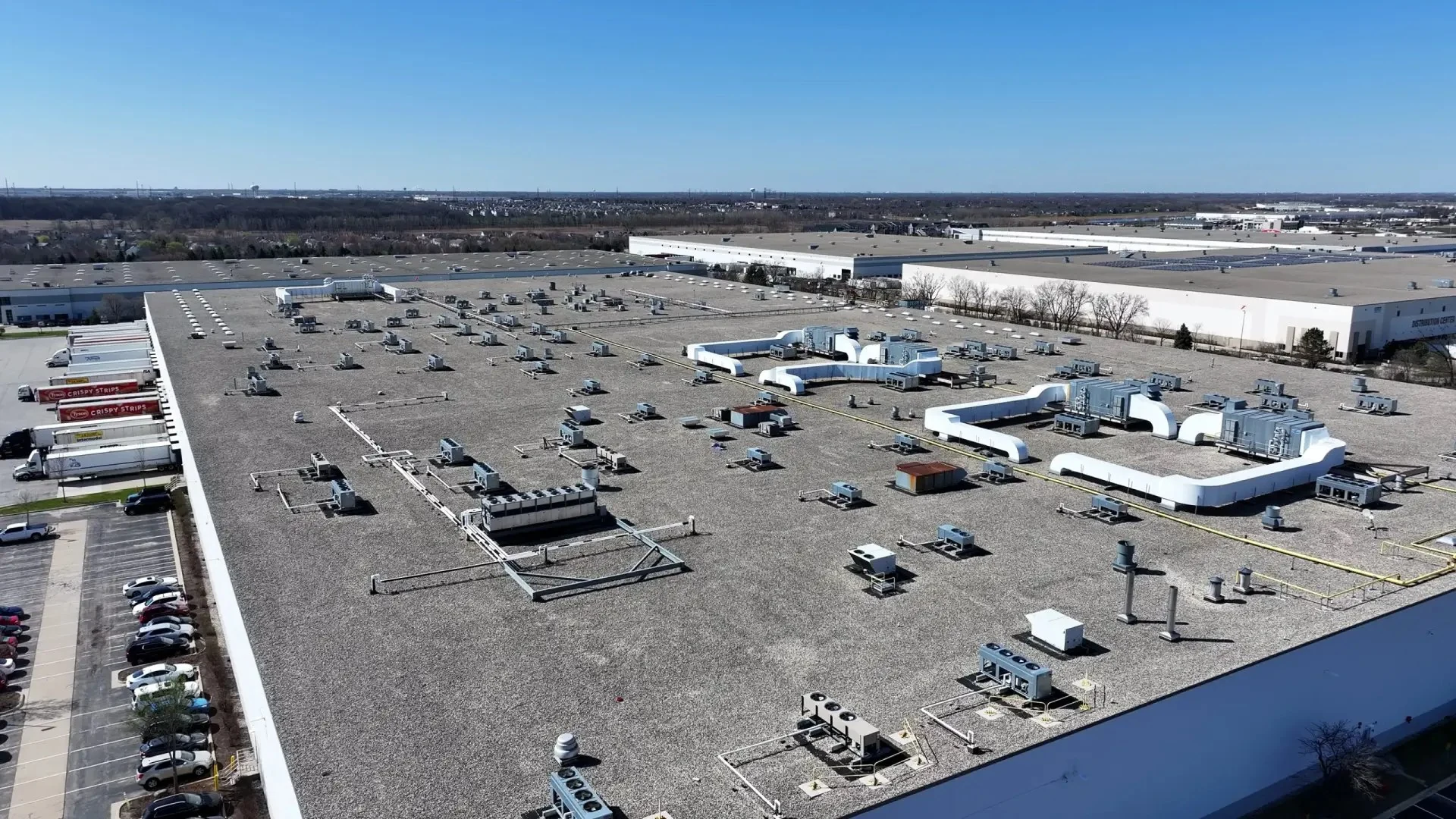
Roofs Built to Match the Scale of a Regional Distribution Hub
View project -
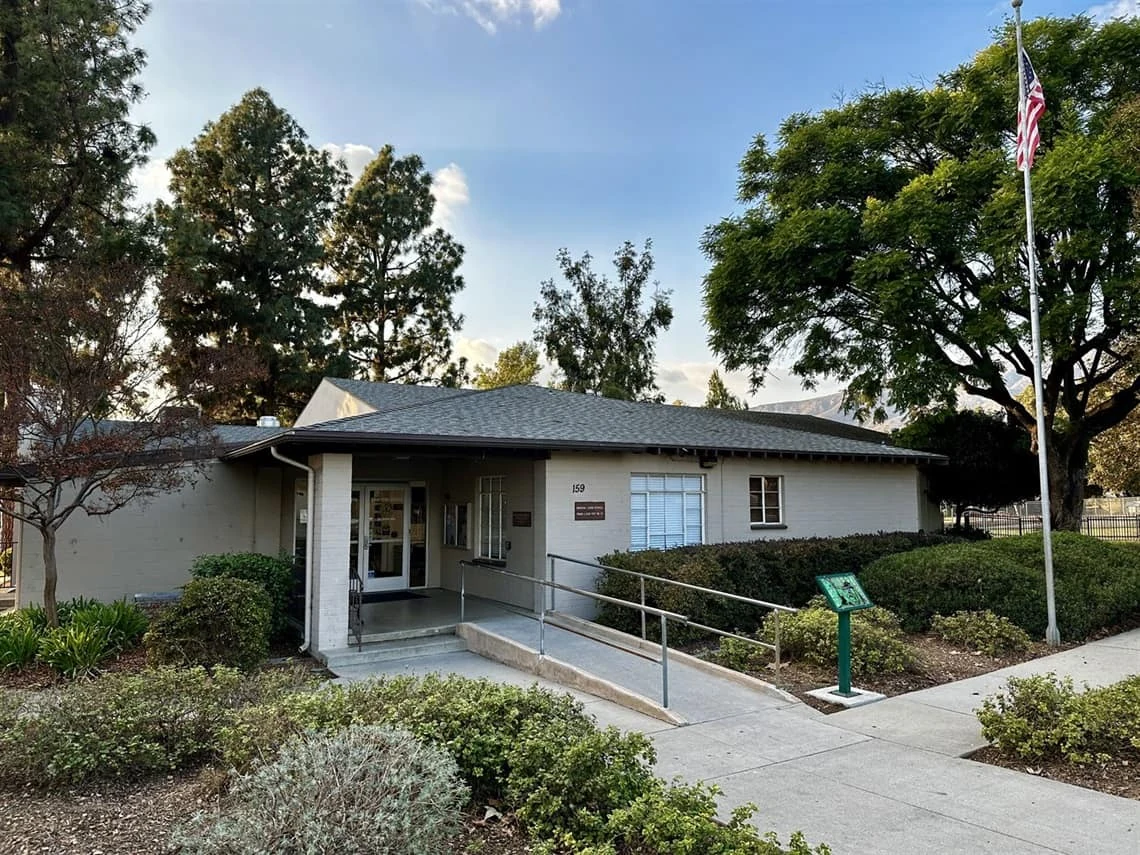
Roofing Decisions for the Buildings the State of Michigan Runs Every Day
View project -
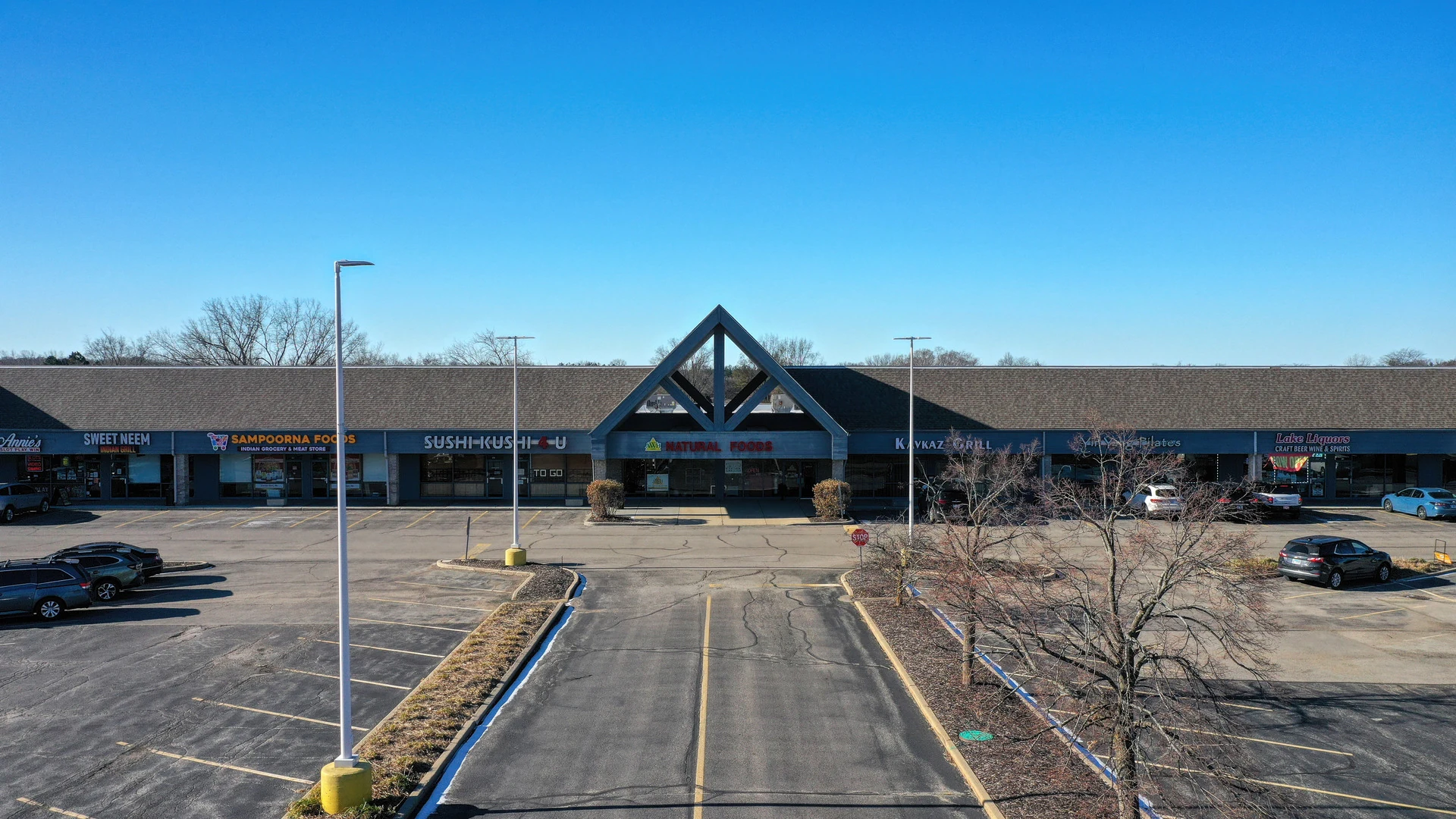
Roofs Carrying More Refrigeration Than Most Retail Buildings Ever Will
View project -
Roofing a Campus the Size of a Small City
View project -
Roof Work Over Buildings That Never Close
View project -
What a Roof Inspection Should Actually Tell a Lansing Owner
View project