
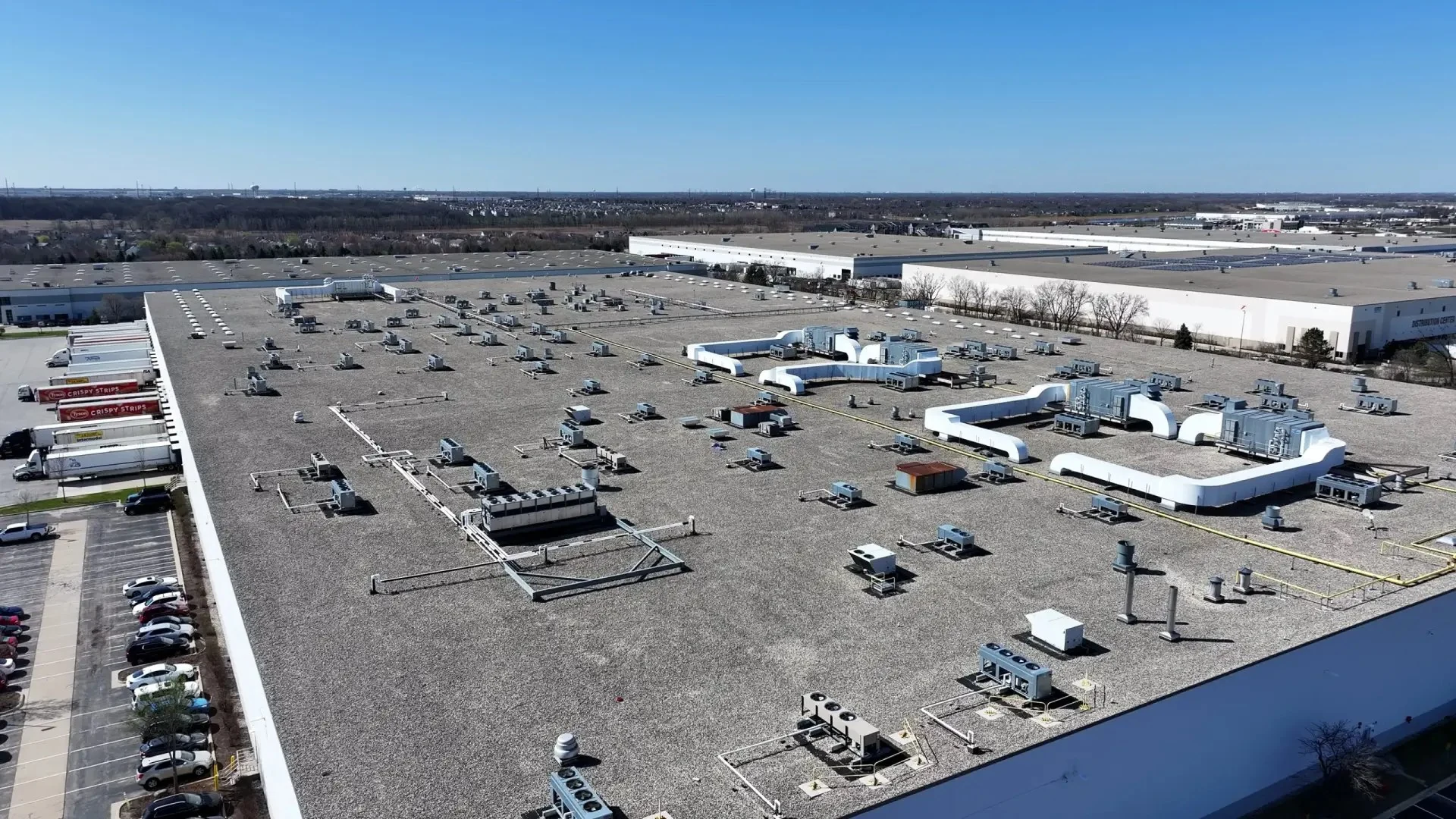
Distribution Center Roofing in Lansing, MI
Lansing, Michigan
Roofs Built to Match the Scale of a Regional Distribution Hub
The industrial parks strung along the US-127 corridor through DeWitt Township and the I-96/I-69 interchange near Watertown Township run some of the largest single roof footprints in the region. We approach distribution center roofing as a logistics problem as much as a construction one, since a roof crew has to work around trailer traffic that never really stops.
The Largest Roof Footprints in the Region Sit Along These Corridors
Distribution buildings along US-127 and near the I-96/I-69 junction can run hundreds of thousands of square feet under one roof, a scale that changes how we plan a project from the first site visit. A crew working a roof this size needs staging areas that don't interfere with active dock operations, equipment access points planned around existing trailer routes, and a phasing plan that treats the roof as several large sections rather than one continuous job.
We walk the entire perimeter with the facility's operations manager before finalizing a plan, mapping which dock doors stay active throughout the project and which staging areas are actually available without blocking trailer movement.
Dock-High Doors and Trailer Traffic Change How We Stage a Job
A distribution center's dock area runs on a schedule dictated by inbound and outbound freight, not by construction convenience, and material delivery for a roof project has to work around that same schedule rather than against it. We coordinate crane placement and material staging specifically to avoid dock doors during peak loading windows, adjusting our delivery timing to match the facility's actual trailer schedule.
Getting that wrong doesn't just slow the roof project down. A poorly staged material drop can back up trailer traffic for a facility running on tight delivery windows, which creates a problem for the operator well beyond the roof itself.
Sprinkler and Racking Systems Below Limit What Can Happen Above
Modern distribution centers run fire suppression systems tied closely to racking height and storage configuration, and roof work above those systems has to avoid any risk of triggering or damaging sprinkler heads and supply lines. We confirm sprinkler system layout with facility management before any roof penetration or curb work near existing mechanical systems, since a mistake here carries consequences well beyond a roofing problem.
High-bay racking below also limits how much dust and debris containment matters during tear-off, since falling debris into product storage racked several stories high creates cleanup and liability issues well beyond a typical single-story warehouse.
- Regional distribution and fulfillment centers
- Cross-dock trucking and logistics facilities
- Cold-chain and refrigerated distribution buildings
- Automated and high-bay racking warehouses
- Third-party logistics facility buildings
- Rail-served industrial distribution buildings
Fowlerville, Webberville, and Watertown Township Share a Roof Profile
The industrial parks along I-96 near Fowlerville and Webberville, along with the trucking-heavy Watertown Township corridor near the I-96/I-69 junction, tend to run similar building types: large tilt-up or pre-engineered metal structures built during the same wave of regional industrial growth. That shared construction era means we see the same roof systems and the same failure patterns repeating across different owners in these parks.
Recognizing that pattern lets us anticipate likely trouble spots, drain locations, expansion joints, rooftop unit curbs, during an initial inspection rather than starting from a blank assessment on every new building we walk.
Recover Strategy for TPO Nearing the End of Its Warranty Term
A significant share of the distribution center roofing installed across the region in the past couple decades used TPO single-ply membrane, and a lot of that early-generation material is now approaching or past its original warranty term. Recovering TPO with a new membrane depends heavily on seam condition and how the original installation has held up under repeated freeze-thaw cycling, which varies more than owners expect between buildings installed the same year.
We run a full seam inspection and moisture scan before recommending recover versus full tear-off on aging TPO, since a membrane that looks intact from the surface can still be failing at the seams in ways that only show up under closer inspection.
On a roof this large, we break the scan results into a grid rather than a single overall percentage, so an owner can see exactly which sections are still performing and which need attention first. That level of detail matters when a facility is trying to budget a phased recover across a multi-year plan instead of one large capital expense.
Distribution Center Roofing: Common Questions
Can roof work happen without disrupting active dock operations?
Yes, in most cases. We coordinate staging and crane placement around the facility's trailer schedule so loading operations continue throughout the project.
How do you avoid interfering with fire suppression systems during roof work?
We confirm sprinkler layout and any roof-mounted fire protection equipment with facility management before any penetration or curb work near those systems.
What's the biggest risk with debris and dust on a high-bay racking building?
Falling debris into racked product storage, so we adjust containment methods specifically based on what's stored below and how high the racking runs.
Should aging TPO roofs be recovered or fully torn off?
Depends on seam condition and moisture scan results. We inspect both closely before recommending either path, since surface condition alone doesn't tell the full story.
Do distribution buildings in the same industrial park usually need similar roof work?
Often, yes, given they were frequently built in the same construction era with similar systems, though we still evaluate each roof individually before recommending anything.
Ready to review the roof scope?
Related Commercial Project Types
-
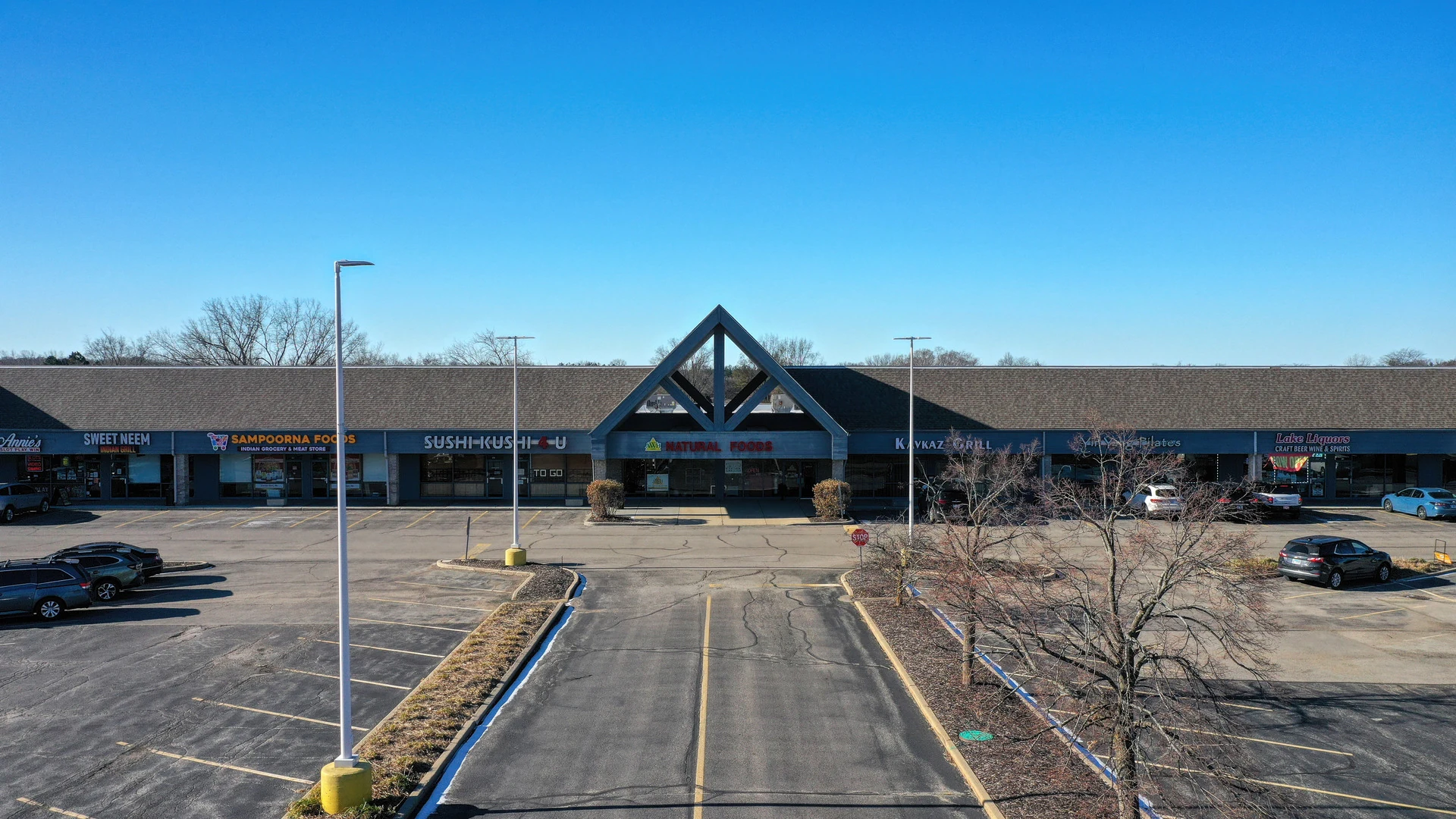
Roofs Carrying More Refrigeration Than Most Retail Buildings Ever Will
View project -
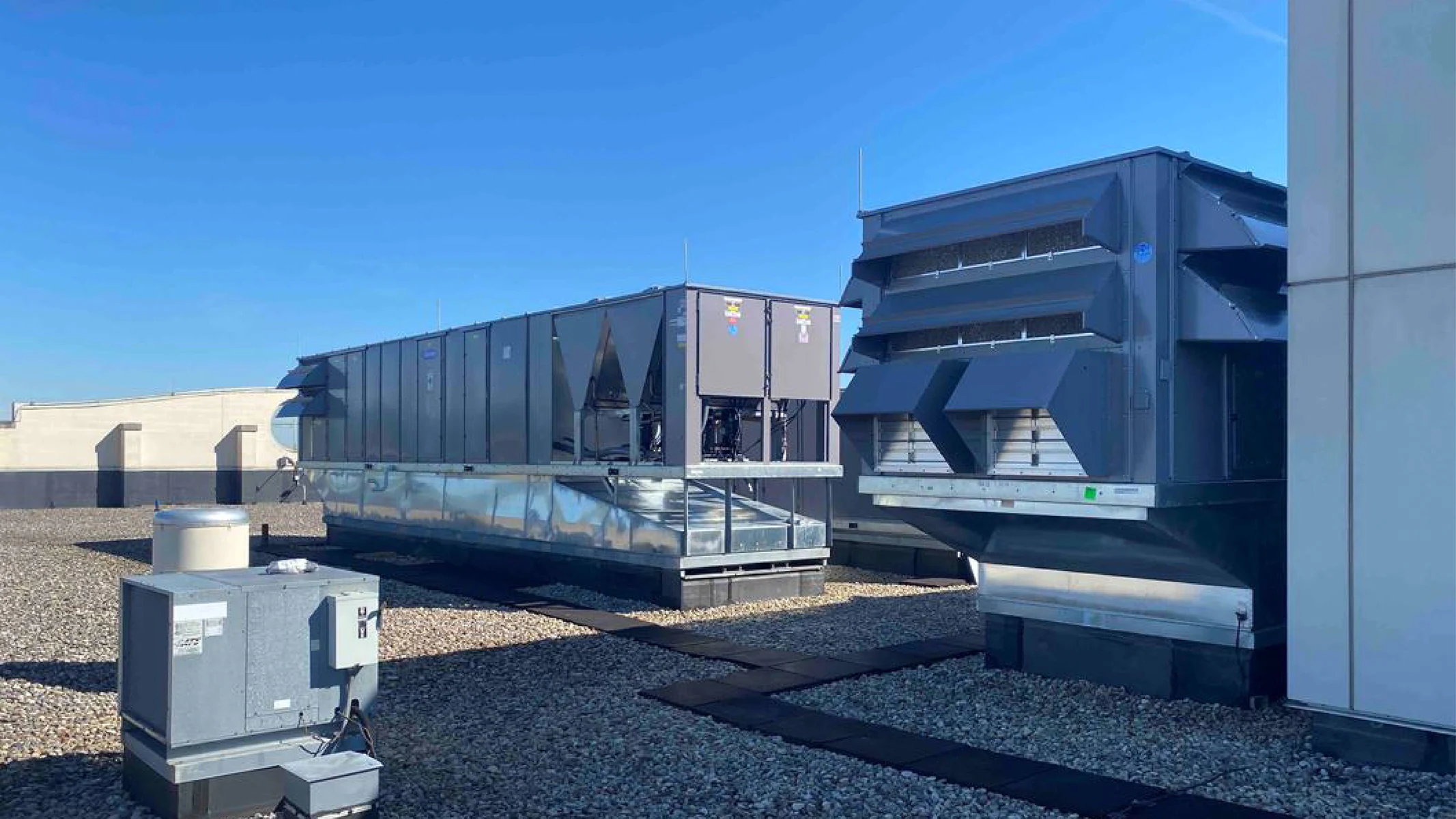
Roofing a Campus the Size of a Small City
View project -
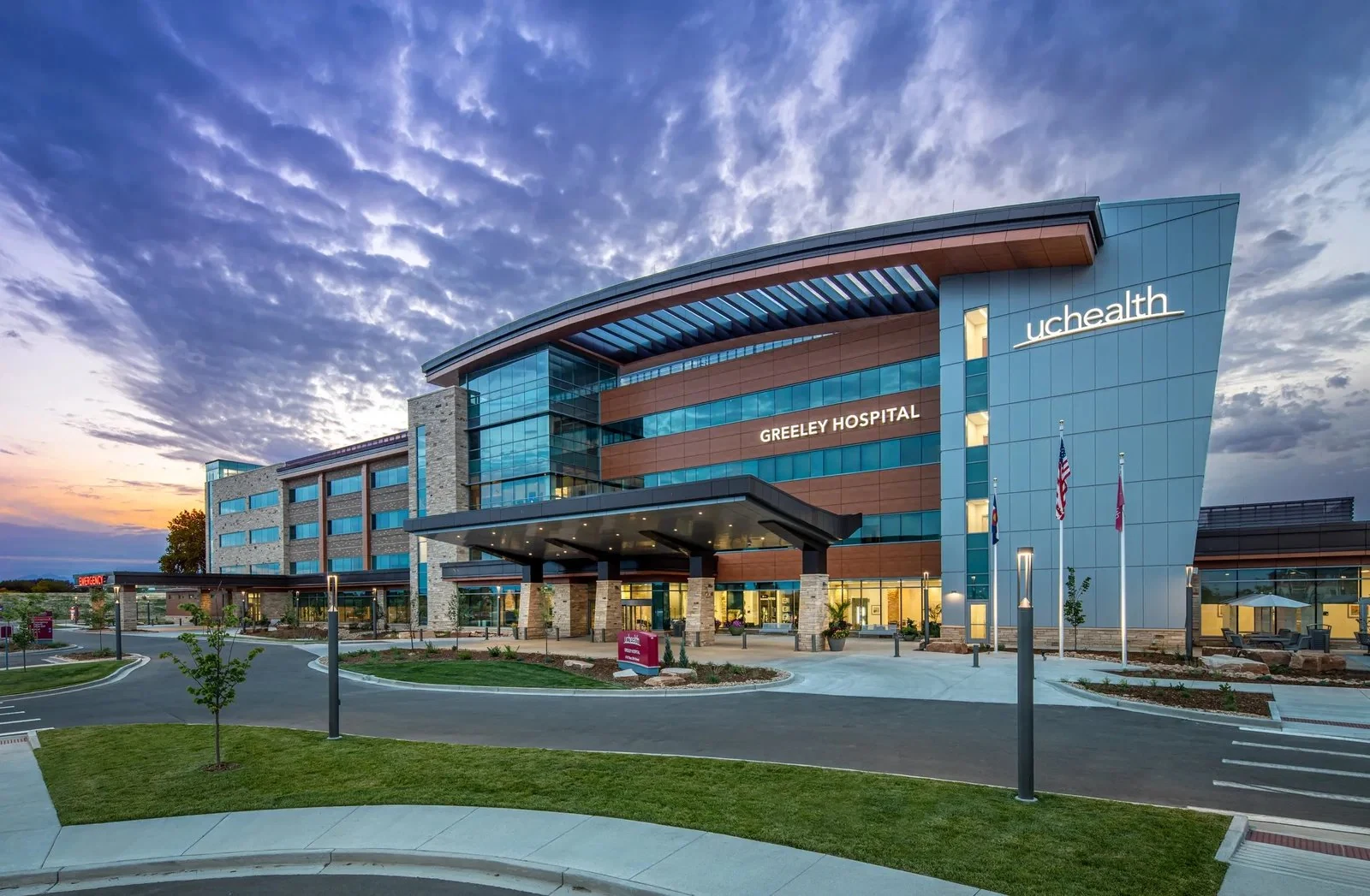
Roof Work Over Buildings That Never Close
View project -
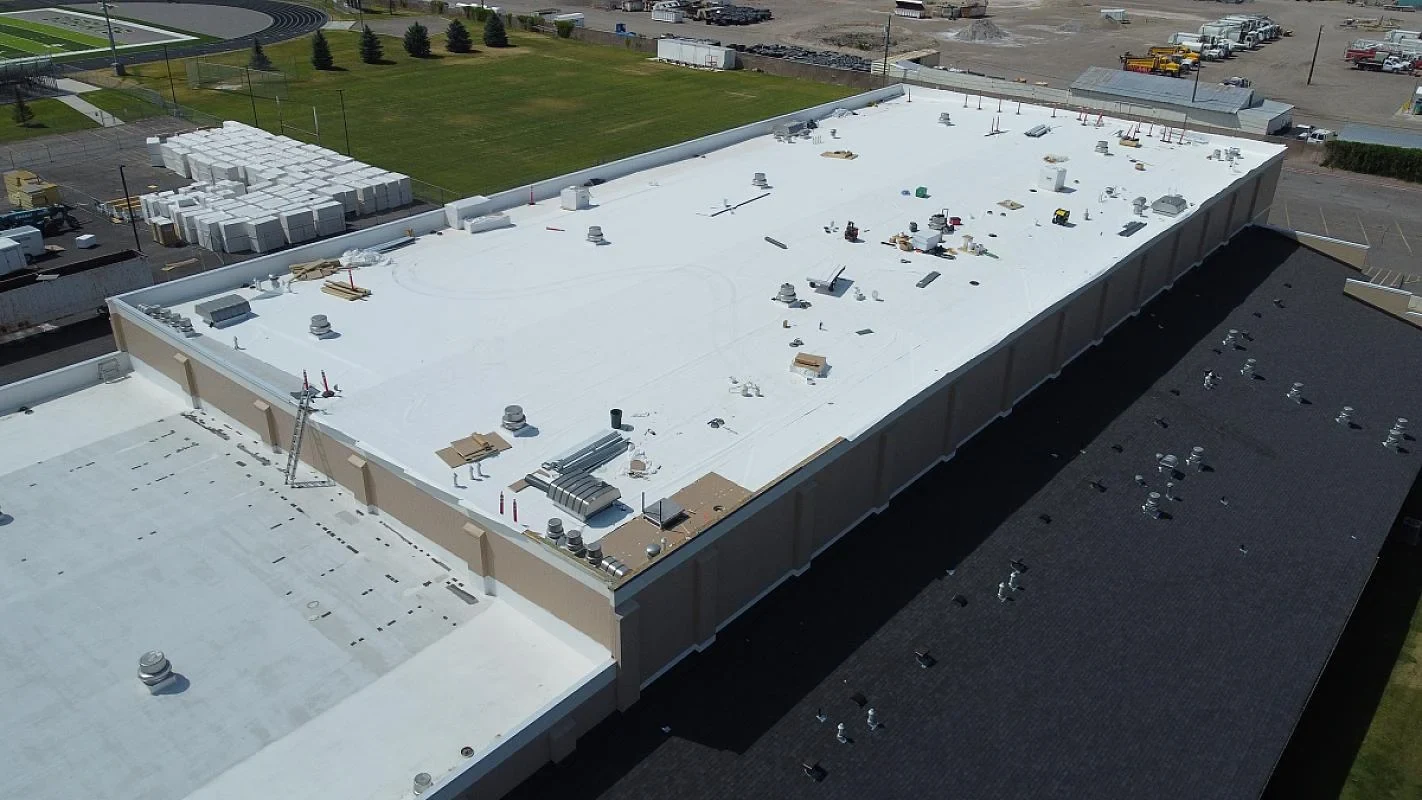
Fitting a Roof Replacement Into a Ten-Week Summer
View project -
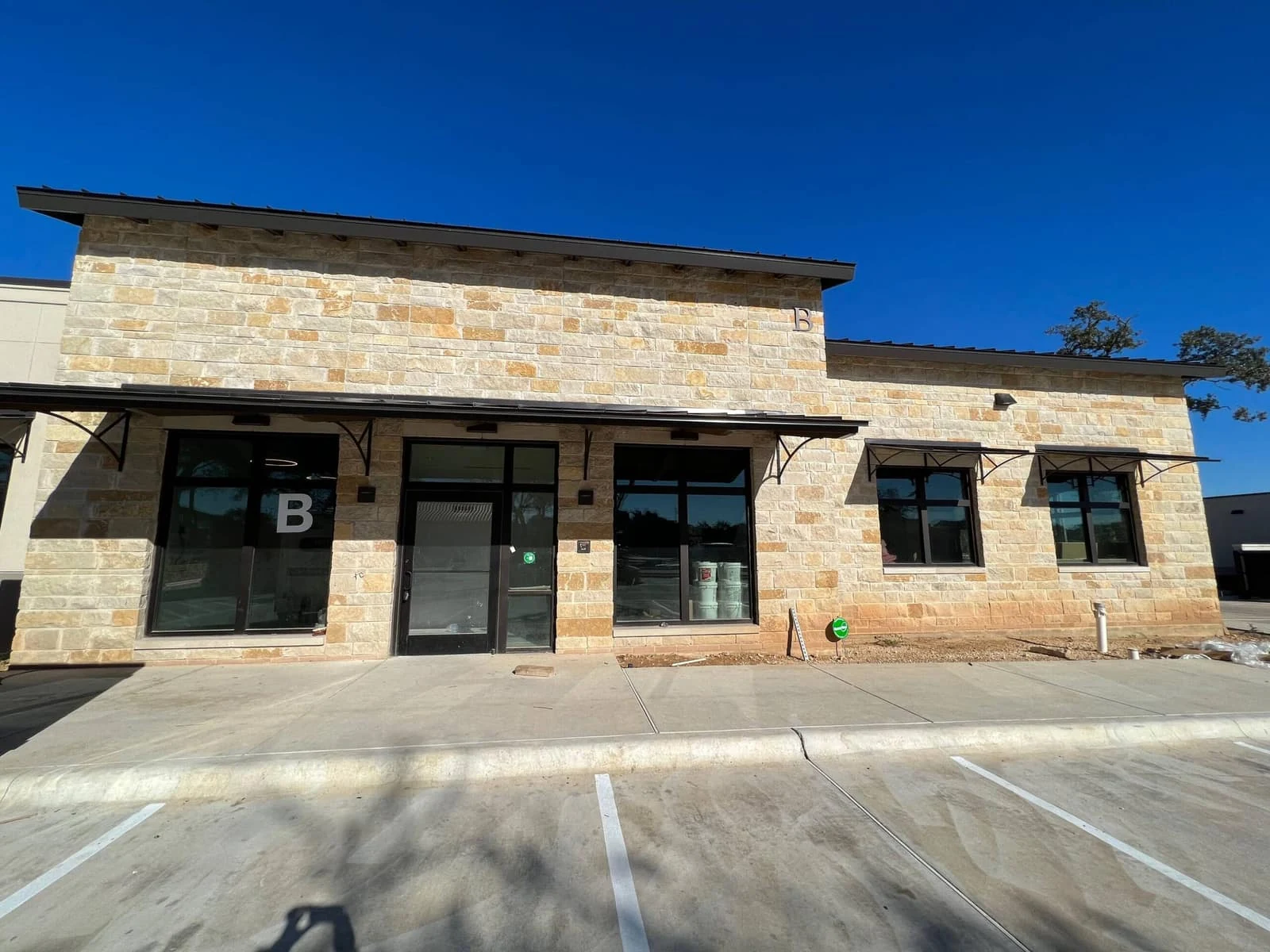
Roofs Over Practices That Can't Reschedule a Full Waiting Room
View project -
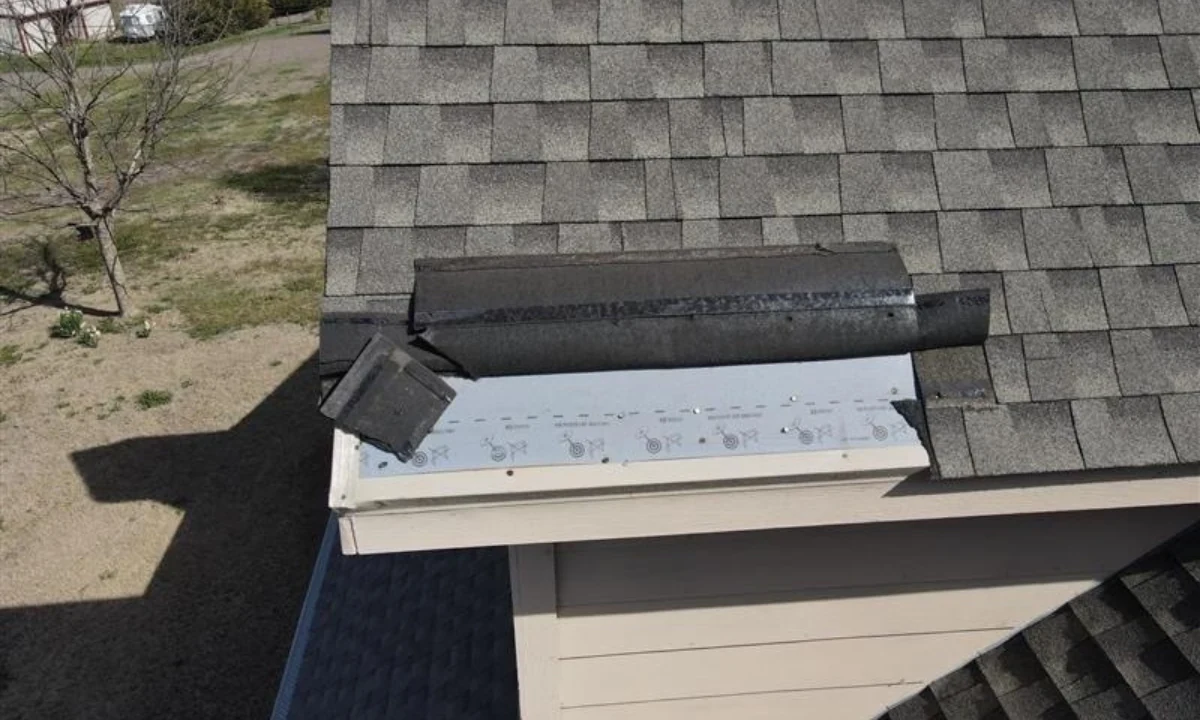
Documenting Storm Damage for a Claim, Not Promising the Outcome
View project