
Automotive Manufacturing Roofing in Lansing, MI
Lansing, Michigan
Roof Work Above a Production Line That Can't Stop for Us
Lansing runs two GM assembly plants and a supplier belt that feeds them, and a roof leak over a paint booth or a stamping press costs more in an hour of downtime than most roof repairs cost outright. We plan automotive roof work around the plant's production schedule first, not the other way around.
Grand River Assembly and Delta Township Carry Different Roof Loads Than a Warehouse
The Lansing Grand River plant and the Delta Township assembly plant weren't built like a typical distribution building. Roof-mounted paint exhaust systems, dust collection ductwork, and heavy HVAC serving climate-controlled paint booths all penetrate the roof deck in places a standard warehouse never sees, and each penetration is a spot where a membrane can fail years before the field around it shows any wear.
We map every rooftop penetration before we price a job, because a leak at a paint exhaust curb doesn't behave like a leak in open field membrane. Water can travel along ductwork supports and show up on the plant floor a hundred feet from where it actually entered the roof.
Shutdown Week Is Often the Only Real Access Window
Automotive plants schedule planned shutdown weeks, usually around the summer changeover period, and that narrow window is frequently the only time a facilities team can open the plant floor and roof to a crew doing anything beyond emergency repair. We build our proposals and material lead times around hitting that window, because missing it can mean waiting until the next scheduled shutdown to finish a project that should have taken two weeks.
That means ordering material early, confirming crane and lift access with plant security well before the shutdown starts, and having a crew large enough to complete the scoped work inside the window rather than discovering mid-project that the pace won't hold.
The Supplier Belt Runs on Tighter Margins Than the OEM Plants
The tier-one and tier-two suppliers that feed the Lansing assembly plants operate on production schedules dictated by the OEM, which means their own roof decisions get squeezed by the same just-in-time pressure. A supplier plant can't take a week-long shutdown just because a roof needs attention; production has to keep feeding the line down the road.
We approach supplier-belt buildings differently than the OEM plants themselves, often working in smaller overnight or weekend segments that don't require a full production stop, because that's usually the only access these operations can realistically offer.
Downtime Cost Changes How We Sequence the Work
A leak over office space costs a facility manager an inconvenience. A leak over a stamping press or a robotic weld cell can cost a plant a shift's worth of production, and that math changes how urgently a roof problem needs to move from an item on the list to work in progress. We prioritize sections of a plant roof based on what's directly below them, not simply which section looks worst from a drone.
That prioritization sometimes means tackling a smaller, higher-consequence section first and coming back for a larger but lower-risk section later, even if that's not the most efficient sequence for the crew.
We put that downtime math in writing for the plant engineer reviewing the proposal, showing which roof sections sit above equipment the facility has flagged as production-critical. That way the sequencing decision isn't something owners have to take on faith; it's tied to a specific list of what's running underneath each section of roof.
- Stamping and press shop roof sections
- Paint shop exhaust and HVAC penetrations
- Body shop and weld cell coverage areas
- General assembly and trim line roofing
- Supplier-belt warehouse and light manufacturing roofs
- Office and administrative wings attached to plant floors
Hazmat and Environmental Rules Shape How We Stage Material
Automotive plants carry environmental compliance obligations that most commercial buildings don't, and roof staging areas near paint shops or chemical storage get reviewed by plant EHS staff before anything gets set down. We coordinate staging locations directly with plant safety departments rather than assuming a spot that looks open is actually cleared for material or equipment.
That coordination extends to dust and debris control during tear-off. A plant running precision assembly work nearby doesn't want roofing debris drifting toward an open bay door, so we adjust cutting and demolition methods based on what's operating underneath and beside the work area.
We also keep a written log of who cleared staging locations and when, since an automotive plant's own audit trail often needs to show that a contractor's material and equipment placement went through the same review as any other outside work on the property. That documentation has come in handy more than once when a plant's own compliance team wanted to confirm what had been approved and by whom.
Questions Plant Engineers Ask About Roof Work Near Production
Can you complete a full roof section during a one-week shutdown?
Depends on the section size and system, but we scope shutdown-window projects specifically to finish inside the window, ordering material and staging equipment well ahead of the shutdown date.
How do you handle roof penetrations for paint exhaust and dust collection?
We detail flashing and curb work around mechanical penetrations separately from field membrane work, since those spots fail at a different rate and need different attention.
What happens if a leak shows up during production hours?
We can respond with emergency dry-in and temporary repair to stop water intrusion, then schedule the permanent fix for the next available access window.
Do you work with plant EHS and security on access approval?
Yes. We submit staging plans and crew information through the plant's process rather than assuming standard commercial access applies.
Can supplier-belt buildings get roof work done without a full shutdown?
Often, yes, working in overnight or weekend segments that avoid interrupting the production schedule that feeds the OEM plants.
Ready to review the roof scope?
Related Commercial Project Types
-
Roof Work Over Buildings That Never Close
View project -
Fitting a Roof Replacement Into a Ten-Week Summer
View project -
Roofs Over Practices That Can't Reschedule a Full Waiting Room
View project -
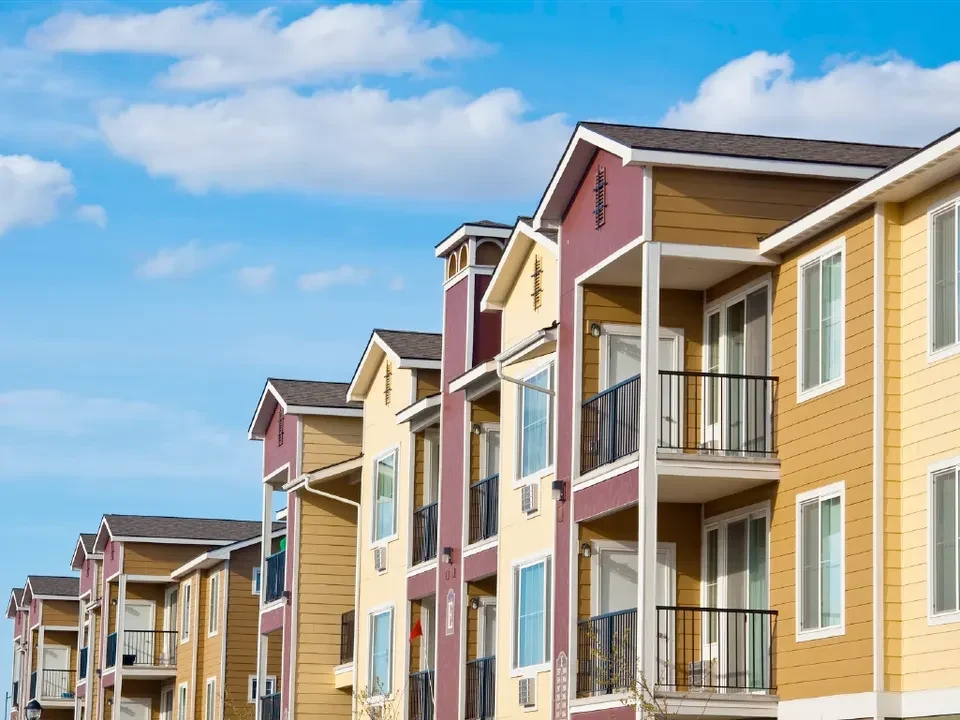
Roofing Over People Who Are Home While We Work
View project -
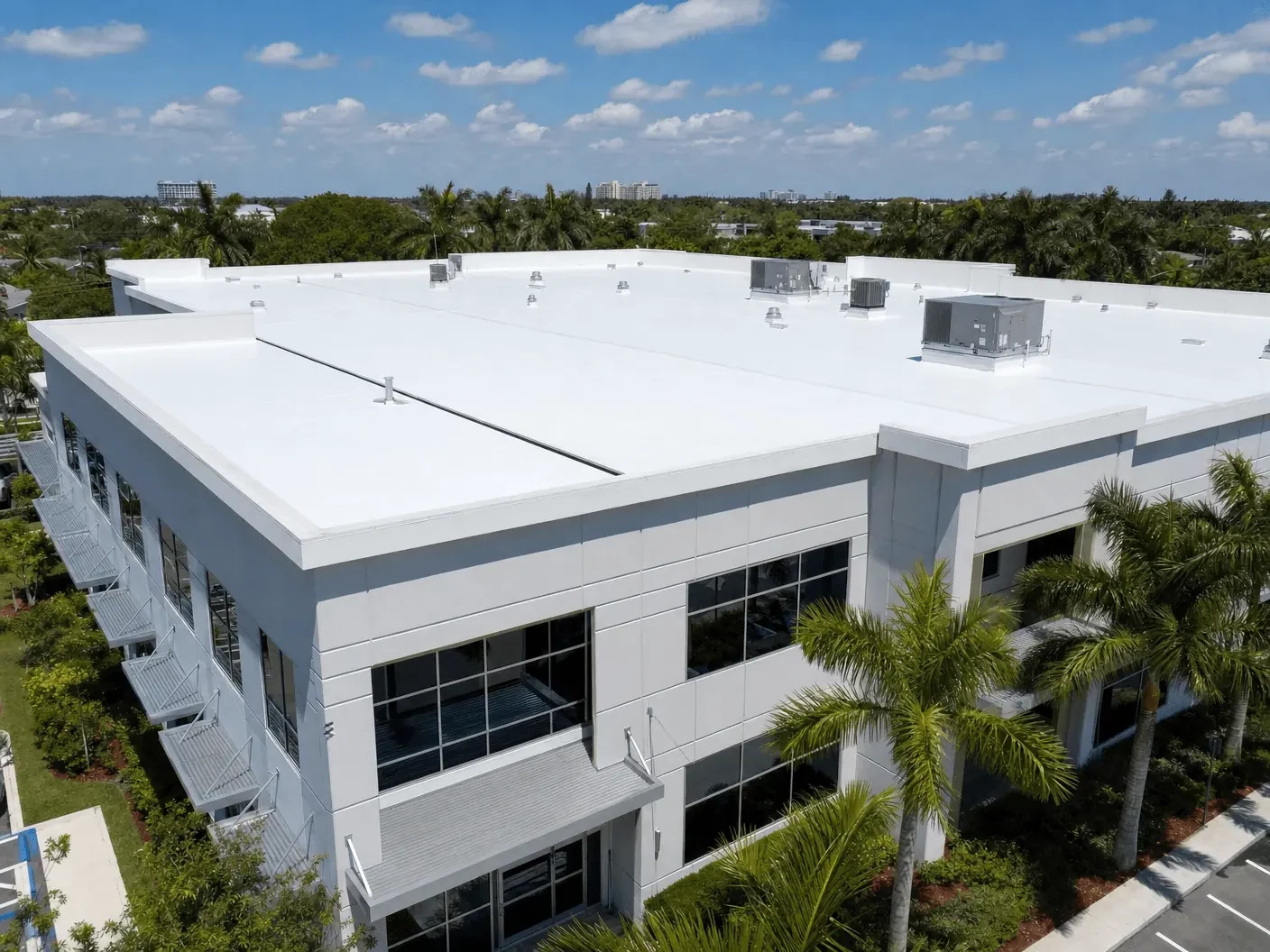
Roof Decisions for Buildings Full of Businesses That Aren't Yours
View project -
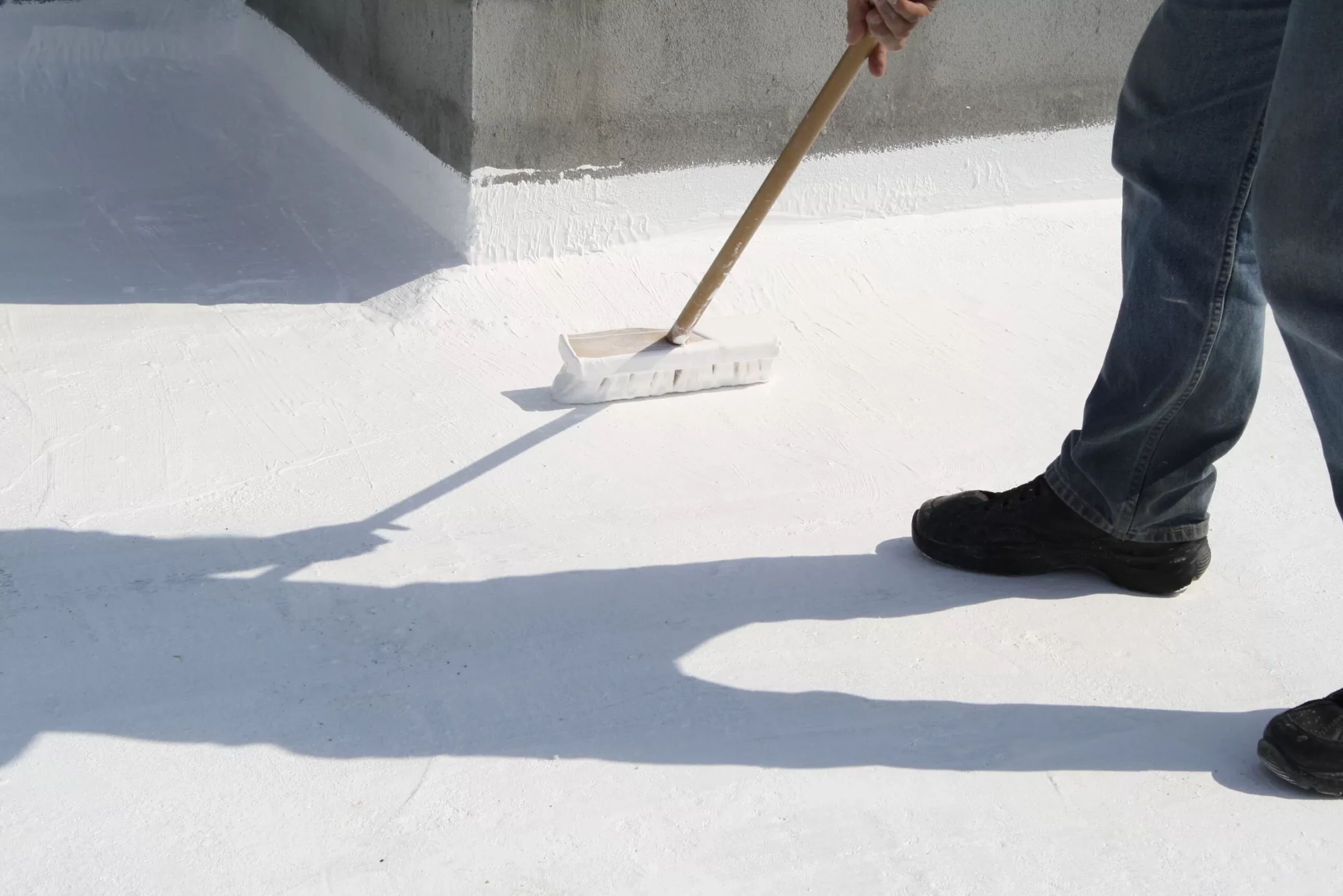
Acrylic Coatings: The Right Tool When Ponding Isn't the Problem
View project