
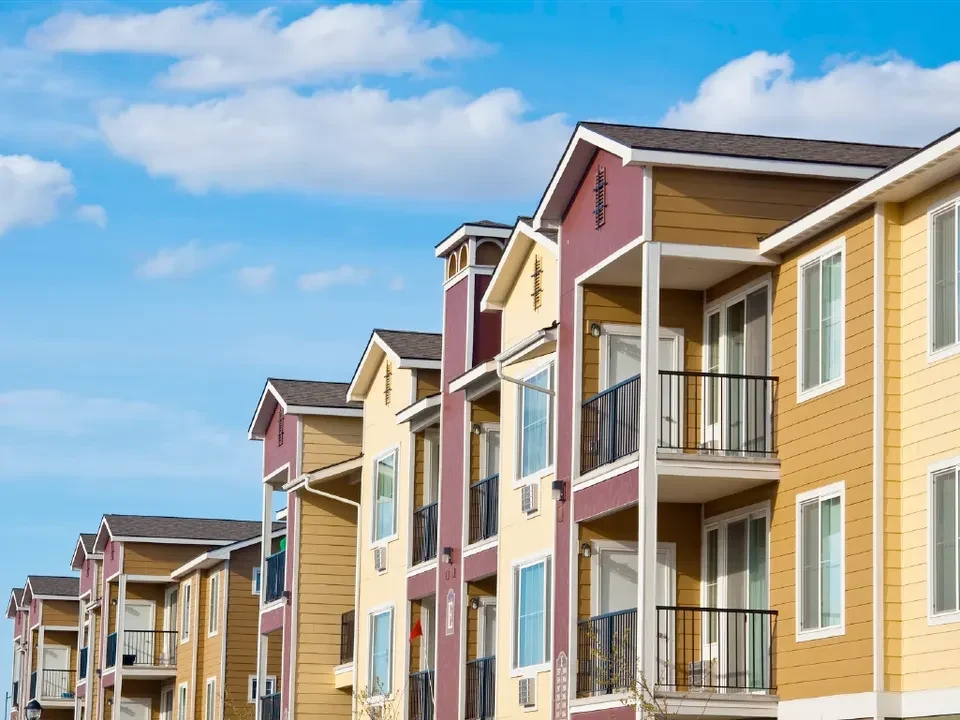
Multifamily & Apartment Roofing in Lansing, MI
Lansing, Michigan
Roofing Over People Who Are Home While We Work
Apartment communities near MSU and growing complexes in Bath Township and similar suburbs put a roof crew directly above tenants who live there full time, not employees who go home at five. We plan multifamily roofing around occupied units first, because a mistake here shows up as a complaint call rather than simply a punch-list item.
Every Decision Has a Tenant Behind It
A roof leak in a vacant office suite is a maintenance issue. The same leak in an occupied apartment unit is someone's ceiling, someone's belongings, and often someone's second call to the property manager after the first one didn't get resolved fast enough. We treat multifamily roof work with that reality built in, prioritizing units with active leak reports over sections that are simply older or more visibly worn.
That prioritization sometimes means starting a project in a spot that isn't the most efficient staging location for the crew, because the unit with water actively coming through a ceiling doesn't get to wait for a more convenient sequence.
Student Housing Runs on a Lease-Turnover Calendar
Apartment communities near MSU that lease primarily to students operate on a cycle tighter than most residential property, with a hard turnover date each summer when most units empty out at once. That turnover window is often the best chance to do disruptive roof work above occupied space without the noise and access complaints that come with tenants present.
We coordinate directly with property management on that turnover calendar, because student housing roof work scheduled outside that window means working over units that are occupied and often asleep on a very different daily schedule than a typical office tenant.
Growing Complexes in Bath Township and Similar Suburbs Bring New-Construction Issues
Newer apartment complexes in fast-growing areas like Bath Township sometimes surface roof problems within the first several years, tied to installation shortcuts or details that didn't account for Michigan's freeze-thaw cycling the way they should have. We see this most at roof-to-wall transitions and around rooftop mechanical units serving individual unit HVAC systems, where a rushed original installation shows its weak points earliest.
For newer buildings still under a builder's warranty, we help owners document the failure clearly enough to support a warranty claim rather than simply repairing it and letting the underlying installation issue continue elsewhere on the property.
We photograph and log every instance of a repeated defect across a property's buildings before filing anything, since a builder is far more responsive to a pattern documented across several units than to a single isolated repair request. That pattern is often what gets a warranty claim taken seriously instead of dismissed as routine wear.
- Garden-style apartment buildings
- Mid-rise apartment complexes
- Student housing near MSU
- Townhome and rowhouse communities
- Senior and independent living apartment buildings
- Mixed-use buildings with ground-floor retail
Balcony, Breezeway, and Low-Slope Sections Rarely Match
A typical apartment building isn't one continuous roof plane. Sloped main roof sections, flat breezeway coverings, and balcony overhangs often use different materials and age at different rates, and a leak reported in one unit can trace back to a completely different roof section than the one directly overhead. We trace water intrusion carefully before committing to a repair location, since apartment buildings are notorious for water traveling along framing before it shows up inside a unit.
That tracing work matters most on older properties where a previous patch job addressed the visible symptom without finding the actual entry point, leaving the real problem to resurface in a different unit a season later.
Liability and Communication When the Work Happens Over Someone's Home
Tenants living below a roof project want two things: advance notice and a realistic sense of how long the disruption will last. We build a tenant notification plan into every multifamily project, working with the property manager to post notices and set expectations before work starts rather than letting residents discover a crew on the roof with no explanation.
We also document unit conditions before starting work near any reported leak, protecting both the property owner and the tenant with a clear record of what existed before the roof project began.
A property manager fielding calls from a dozen different tenants during a single project needs consistent answers, so we give them a simple written summary they can hand off or reference directly instead of relaying details from memory after every site visit.
Questions From Property Owners and Site Managers
Can roof work happen while units below stay occupied?
In most cases, yes, though units with active leaks get priority and we coordinate tenant notice for any work happening directly above occupied space.
How do you handle student housing turnover season?
We work with property management to schedule the most disruptive work during the summer turnover window when most units are vacant.
What if a leak in one unit traces back to a different roof section?
We trace the water path carefully rather than assuming the leak is directly overhead, since apartment framing often carries water sideways before it appears inside a unit.
Do newer apartment buildings really have roof problems this early?
Sometimes, usually tied to installation details at transitions or mechanical curbs that didn't fully account for freeze-thaw cycling, and we help document those for warranty claims.
How much notice do tenants get before roof work starts above their unit?
We build a notification plan with the property manager before work begins, so residents know the schedule rather than finding out when a crew shows up.
Ready to review the roof scope?
Related Commercial Project Types
-
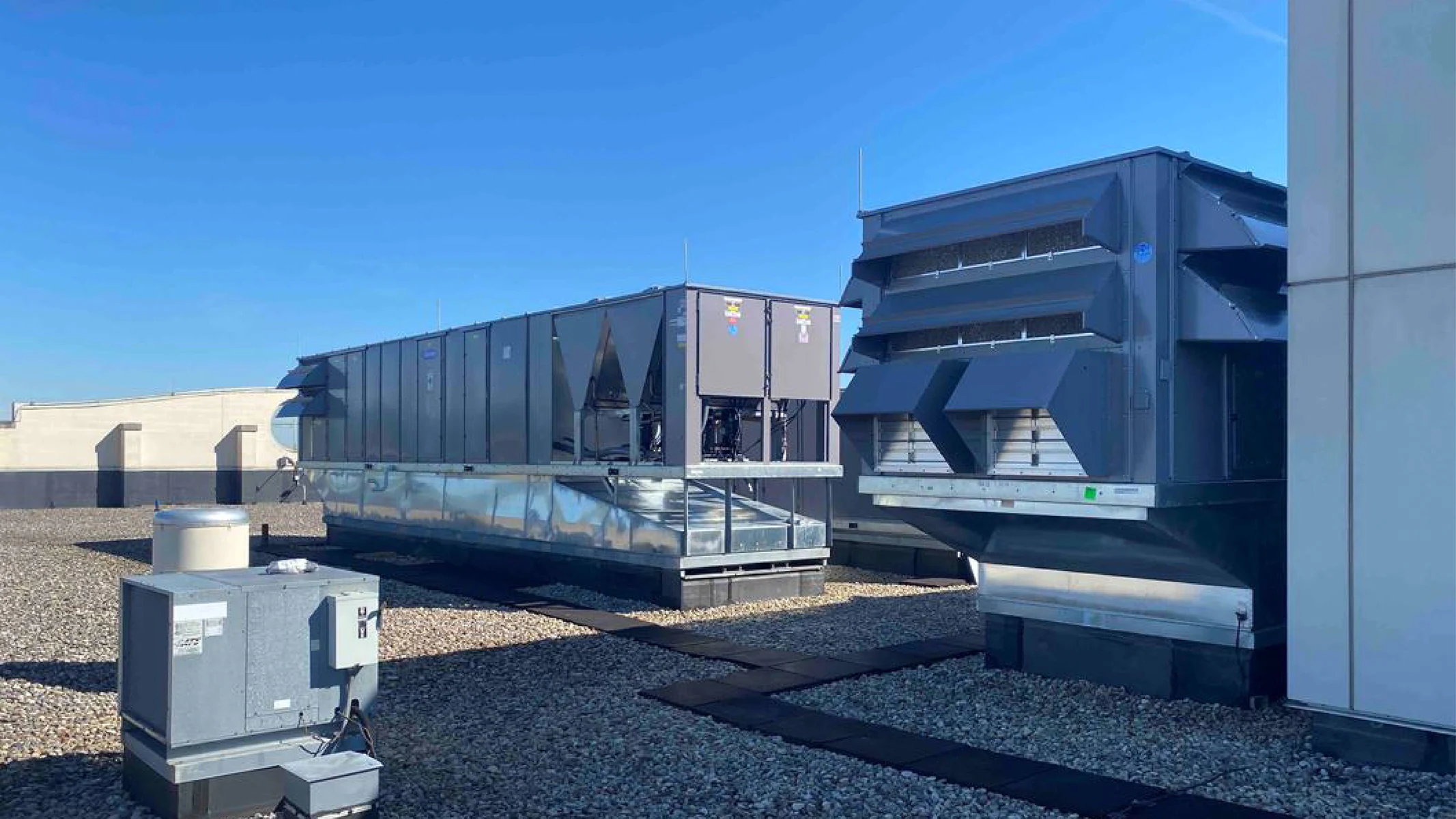
Roofing a Campus the Size of a Small City
View project -
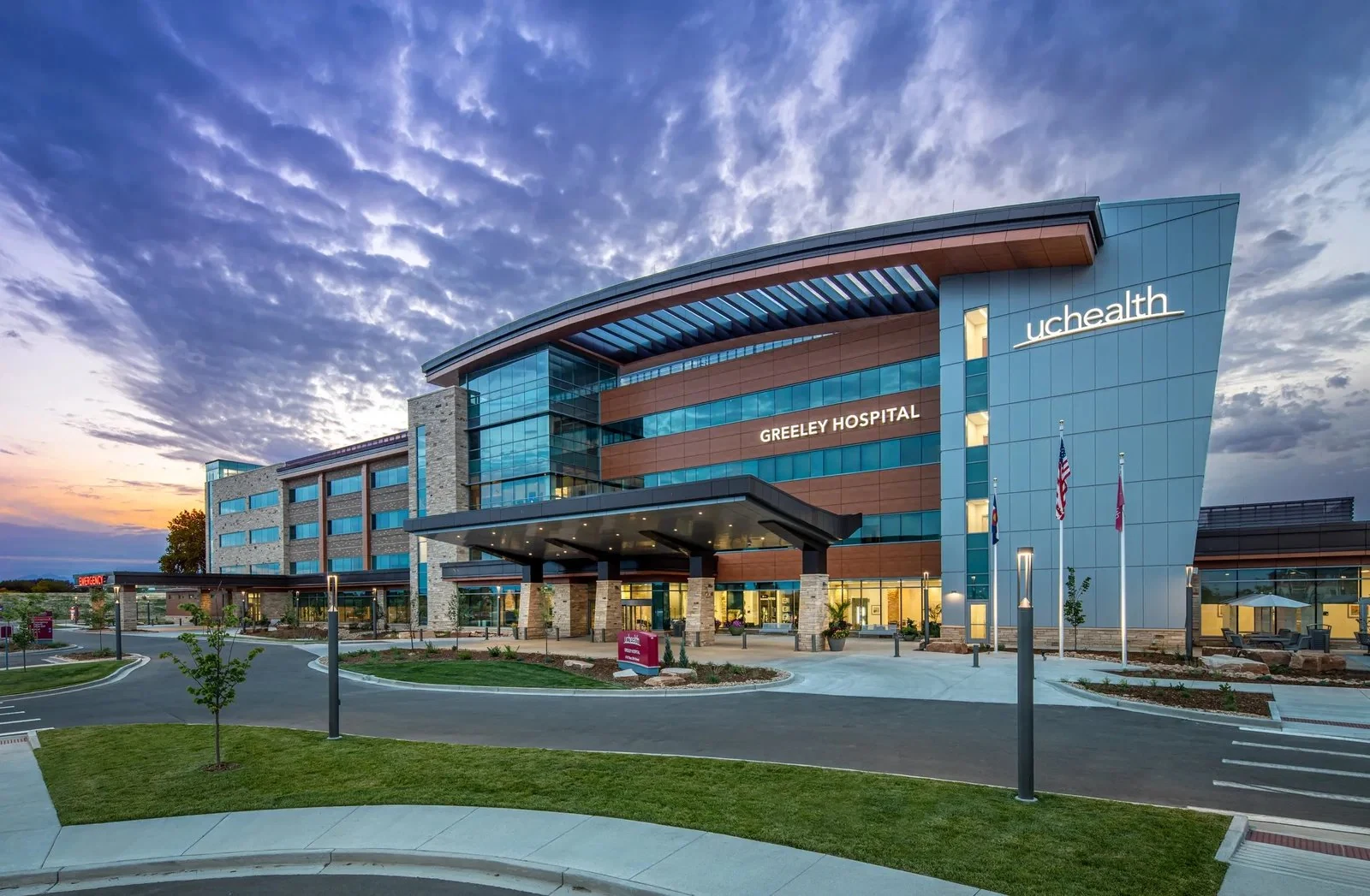
Roof Work Over Buildings That Never Close
View project -
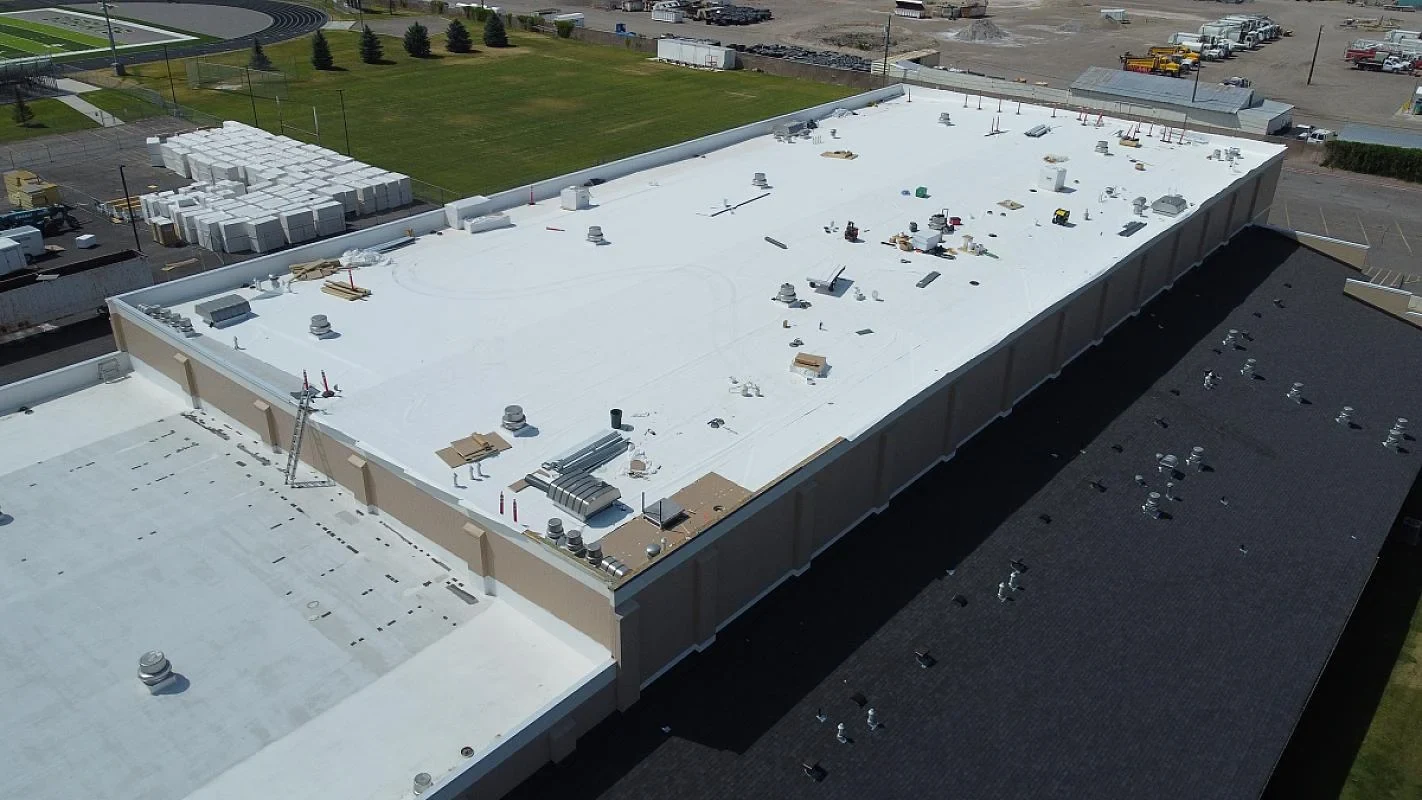
Fitting a Roof Replacement Into a Ten-Week Summer
View project -
Roofs Over Practices That Can't Reschedule a Full Waiting Room
View project -
Roof Decisions for Buildings Full of Businesses That Aren't Yours
View project -
TPO Roofing for Lansing's State and Auto-Plant Buildings
View project