
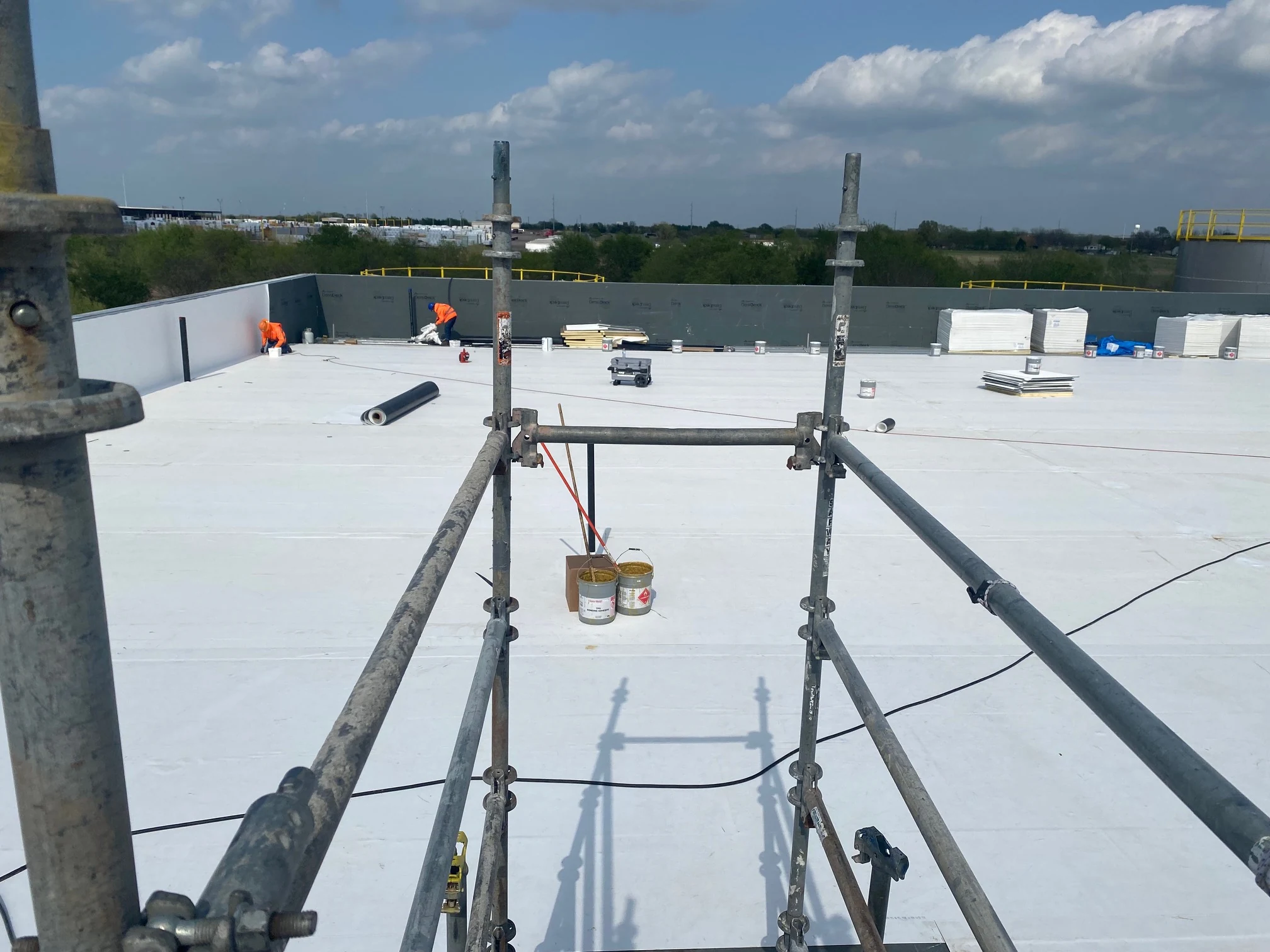
TPO 80 Mil Roof Systems in Lansing, MI
Lansing, Michigan
When 80 Mil TPO Is Worth the Extra Cost in Lansing
Eighty mil TPO costs more per square than 60 mil, and on the right roof that difference pays for itself before the warranty is half over. We reach for 80 mil on roofs that carry heavy foot traffic, dense mechanical equipment, or the kind of punishing seasonal load that comes with a plant, a distribution building, or a roof serving heavy manufacturing tenants near the Delta Township and Lansing Grand River assembly corridors.
What Actually Justifies the Upgrade
We don't sell 80 mil as a default upgrade. Most retail and office roofs never need it. The membrane earns its cost on roofs with dense rooftop unit fields, frequent contractor traffic for equipment service, or exposure to falling debris and foot traffic from adjacent higher structures. Distribution and light-industrial buildings along the US-127 corridor through DeWitt Township and the I-96 industrial park near Fowlerville and Webberville are typical candidates.
The extra 20 mils of membrane thickness translates directly into puncture resistance. On a roof where technicians are climbing over conduit, walking tool bags across the field, or dragging ladders for lighting and HVAC service, that resistance is what keeps a small gouge from becoming a leak two winters later.
Freeze-Thaw Load on Mechanical-Heavy Roofs
Manufacturing and distribution roofs tend to carry more curbs, more penetrations, and more equipment than a typical office roof, and every one of those details is a place where freeze-thaw movement concentrates stress. An 80 mil membrane handles that repeated flexing at flashings better than a thinner sheet, which matters most on roofs that see dozens of service visits a year rather than two or three.
We've walked plant-era roofs around Grand Ledge and Charlotte where the original deck and curb work predates current fastening standards. On those roofs, the membrane thickness is only part of the equation; the condition of the curbs and the deck underneath determines whether an 80 mil install actually gets the service life it's priced for.
Cold-Weather Install Sequencing on Larger Roofs
Bigger roofs with more mechanical equipment take longer to install, which means the cold-weather welding window matters even more on an 80 mil job than a smaller retail reroof. We sequence these projects to front-load the field welding and push detail work at curbs and penetrations into the earliest part of the schedule, because those are the seams most likely to need rework if temperatures drop mid-project.
On a distribution building or plant roof, a delayed start can push seam welding into a window where the membrane doesn't reach the manufacturer's minimum application temperature reliably. We'd rather stage the project across two shorter fall windows than force a full install into marginal weather.
Snow Load and Edge Metal on Larger Spans
Wide-span industrial roofs collect more snow than a broken-up retail roofline, and that snow doesn't move evenly. Drifting against parapets and rooftop screens builds uneven load, and when it thaws and refreezes at the edge, it puts real pressure on edge metal and coping. We spec heavier gauge edge metal and check scupper sizing on these roofs specifically because an 80 mil membrane doesn't solve a drainage or edge-detail problem by itself.
- Membrane punctures near HVAC curbs or conduit runs
- Recurring foot-traffic wear paths worn through the surface
- Edge metal separating from parapet coping after freeze-thaw cycles
- Snow drift buildup against rooftop screens or equipment
- Fastener backout visible under the membrane surface
- Seam stress at high-density curb clusters
Most of those signs show up first at the details, not the open field, which is why our inspections spend more time at curbs, drains, and penetrations than walking the flat expanse of membrane.
Where We See 80 Mil Pay Off
Manufacturing support buildings, distribution centers, and plants with dense mechanical layouts near the automotive corridor are the clearest fit. We also spec it on schools and government buildings with rooftop mechanical rooms that see constant technician traffic, since the membrane cost difference is small relative to the building's overall roof budget.
We'll also spec it selectively on multi-tenant retail roofs where one tenant's kitchen or process equipment creates unusually heavy rooftop traffic compared to the rest of the building, even if the overall roof doesn't otherwise call for the upgrade.
Questions Owners Ask About 80 Mil TPO
Is 80 mil overkill for a small office building?
Usually. If the roof has light mechanical load and limited foot traffic, 60 mil performs just as well for less money. We'll say so directly rather than upselling a thickness the roof doesn't need.
Does thicker membrane mean a longer warranty automatically?
Not by itself. Warranty length depends on the manufacturer's program and the installed assembly, not membrane thickness alone. We walk owners through what's actually covered before they compare warranty terms across bids.
How does 80 mil perform under heavy snow load compared to 60 mil?
The membrane itself resists puncture and abrasion better, but snow load performance is mostly a structural and drainage question. We evaluate both together rather than treating membrane thickness as the whole answer.
Can we install 80 mil TPO over an existing modified bitumen roof?
Sometimes, if the existing roof is dry and structurally sound and code allows another layer. A moisture survey comes before that recommendation, not after.
What's the real cost difference between 60 and 80 mil on a large roof?
It varies by project, but the material cost gap is usually smaller than owners expect relative to total project cost, especially once labor, tear-off, and detail work are figured in. We'll show the actual number on the specific roof rather than a rule of thumb.
Ready to review the roof scope?
Related Roof Systems
-
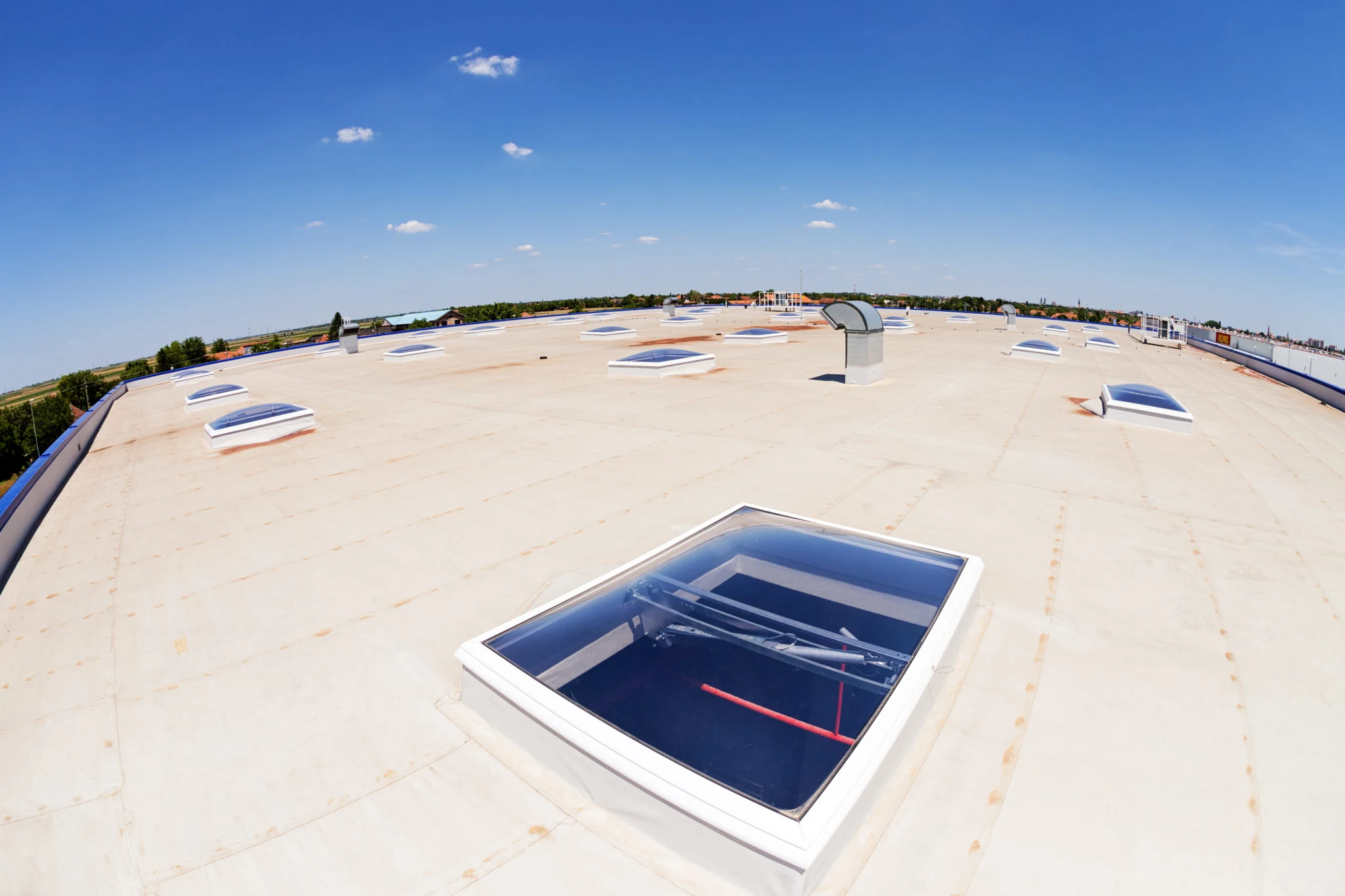
Black EPDM on Older Lansing Roofs: What Still Works and What Doesn't
View project -
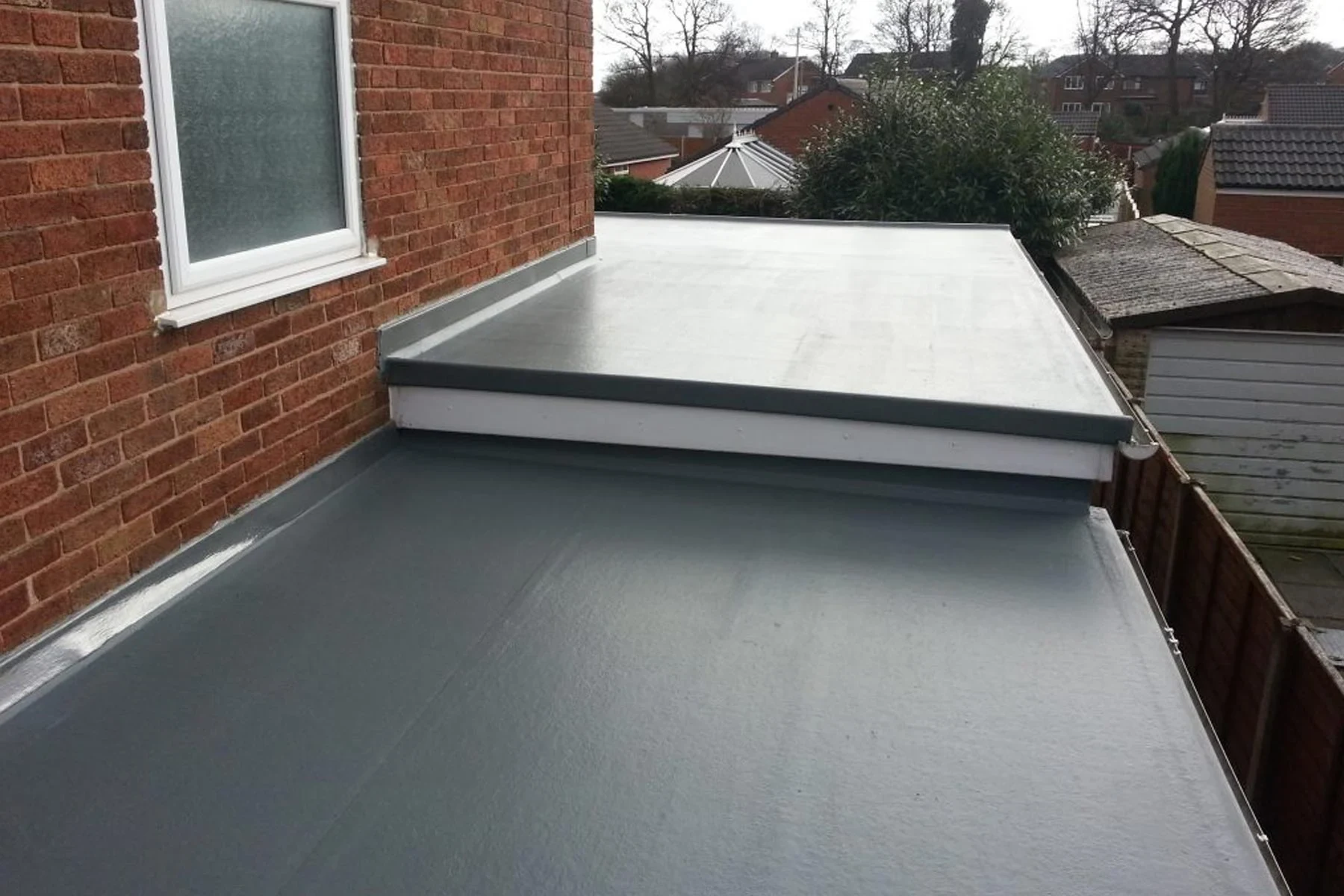
White EPDM Ballasted and Adhered Systems for Lansing Roofs
View project -
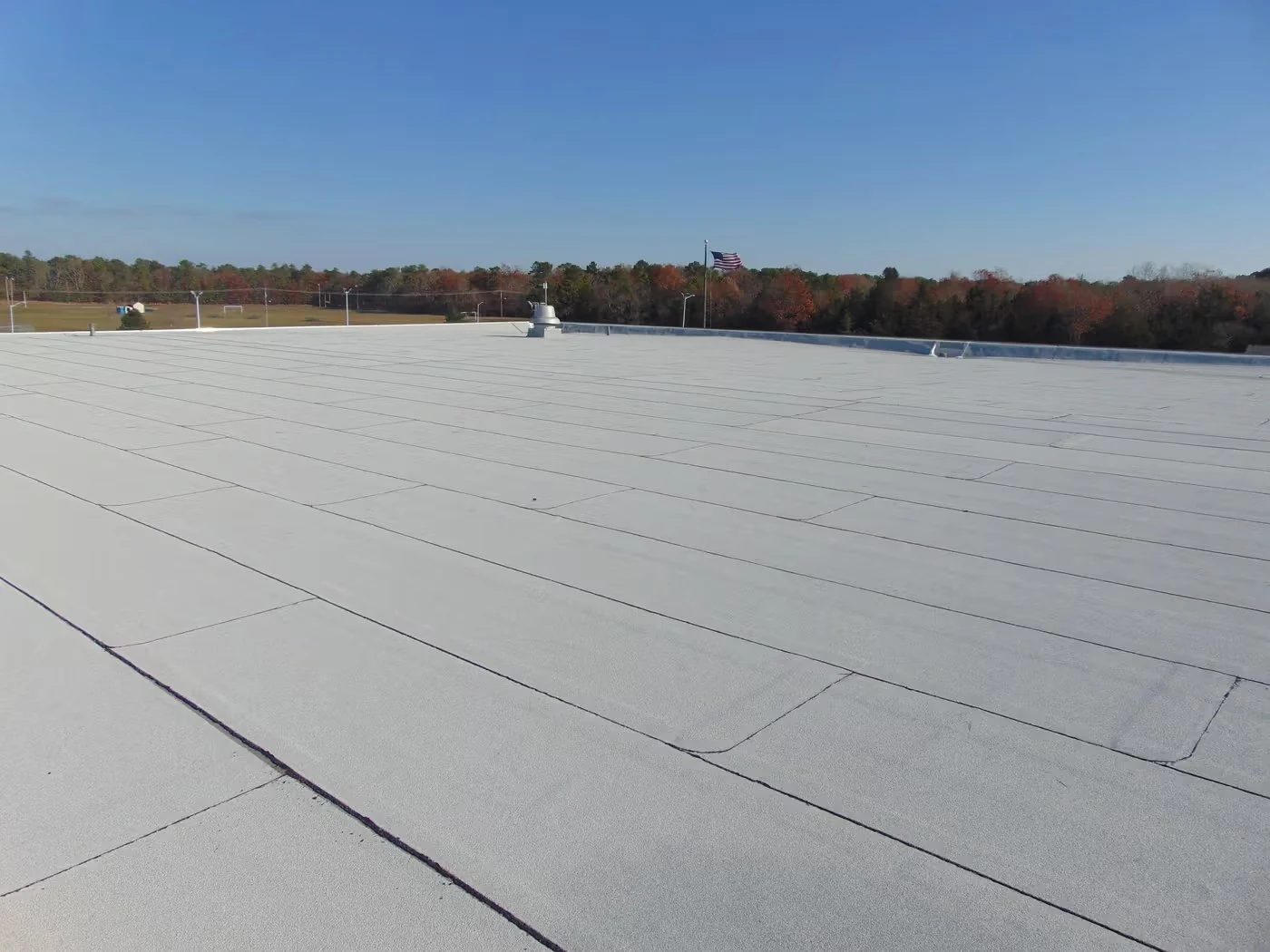
Modified Bitumen SBS: Multi-Ply Redundancy for Older Lansing Roofs
View project -
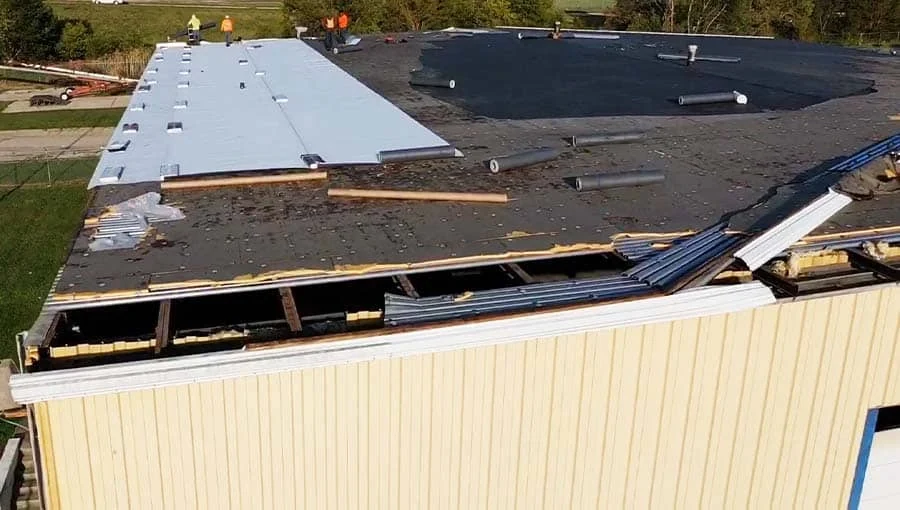
PVC Roofing for Grease, Chemical, and Cold Exposure in Lansing
View project -
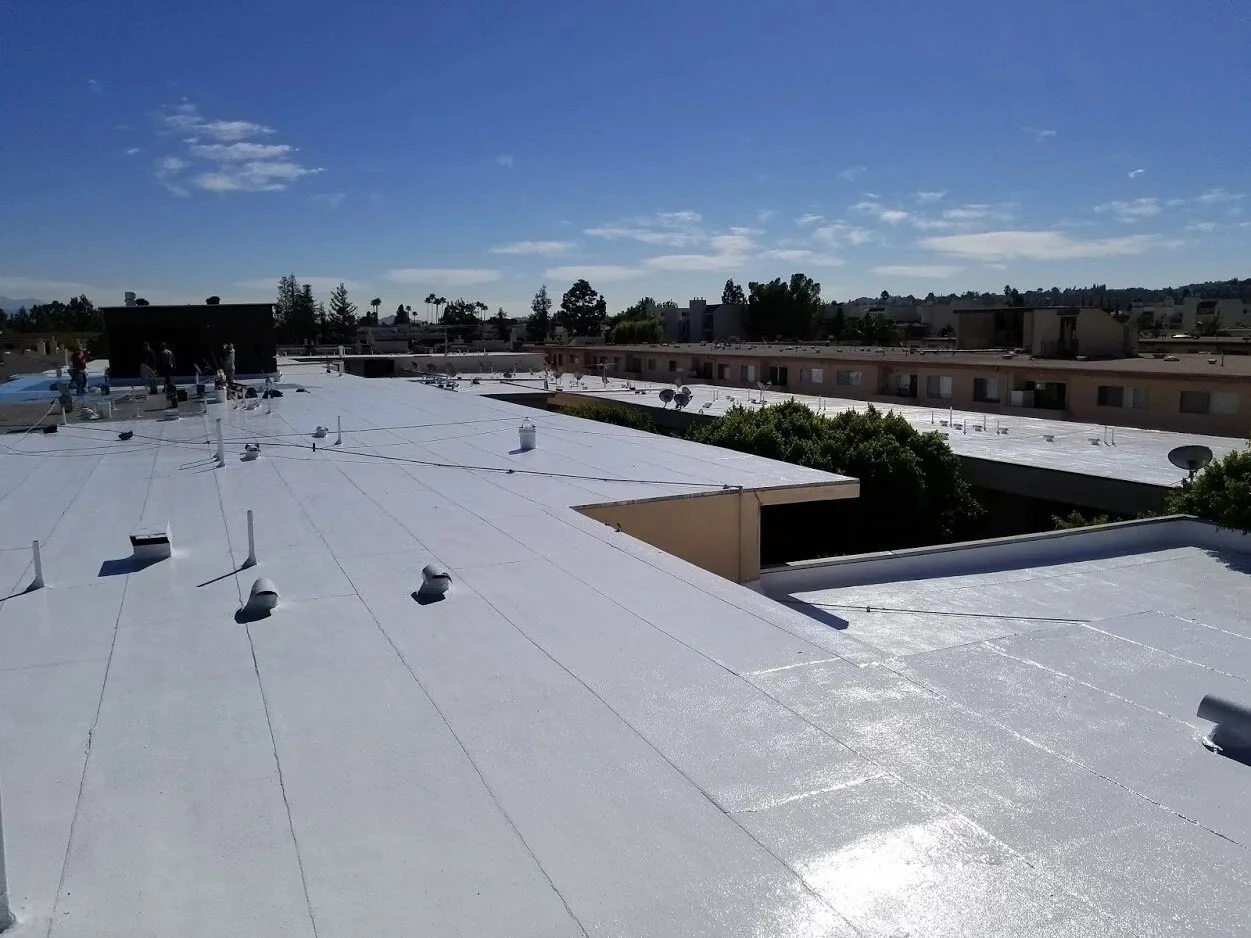
Silicone Roof Coating as a Restoration Path for Aging Lansing Roofs
View project -
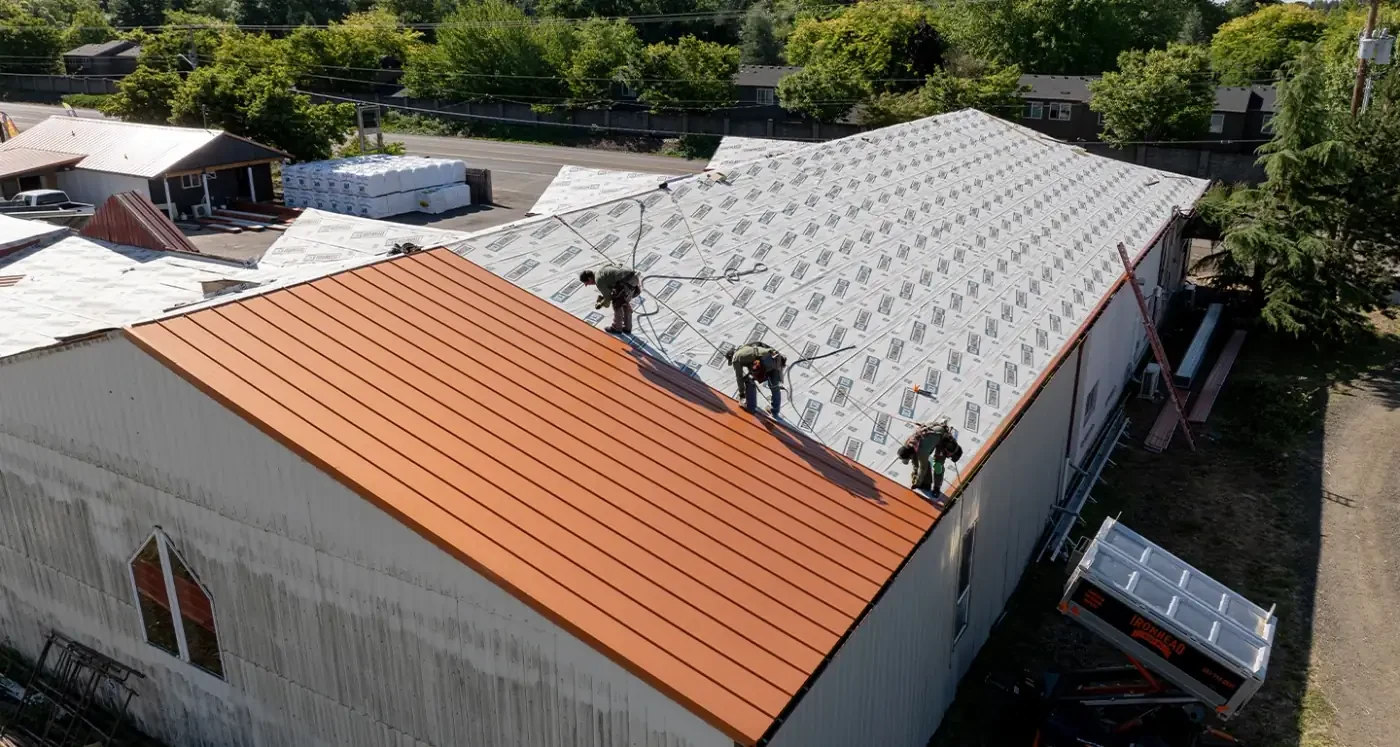
Standing Seam Metal for Distribution and Plant Buildings
View project