
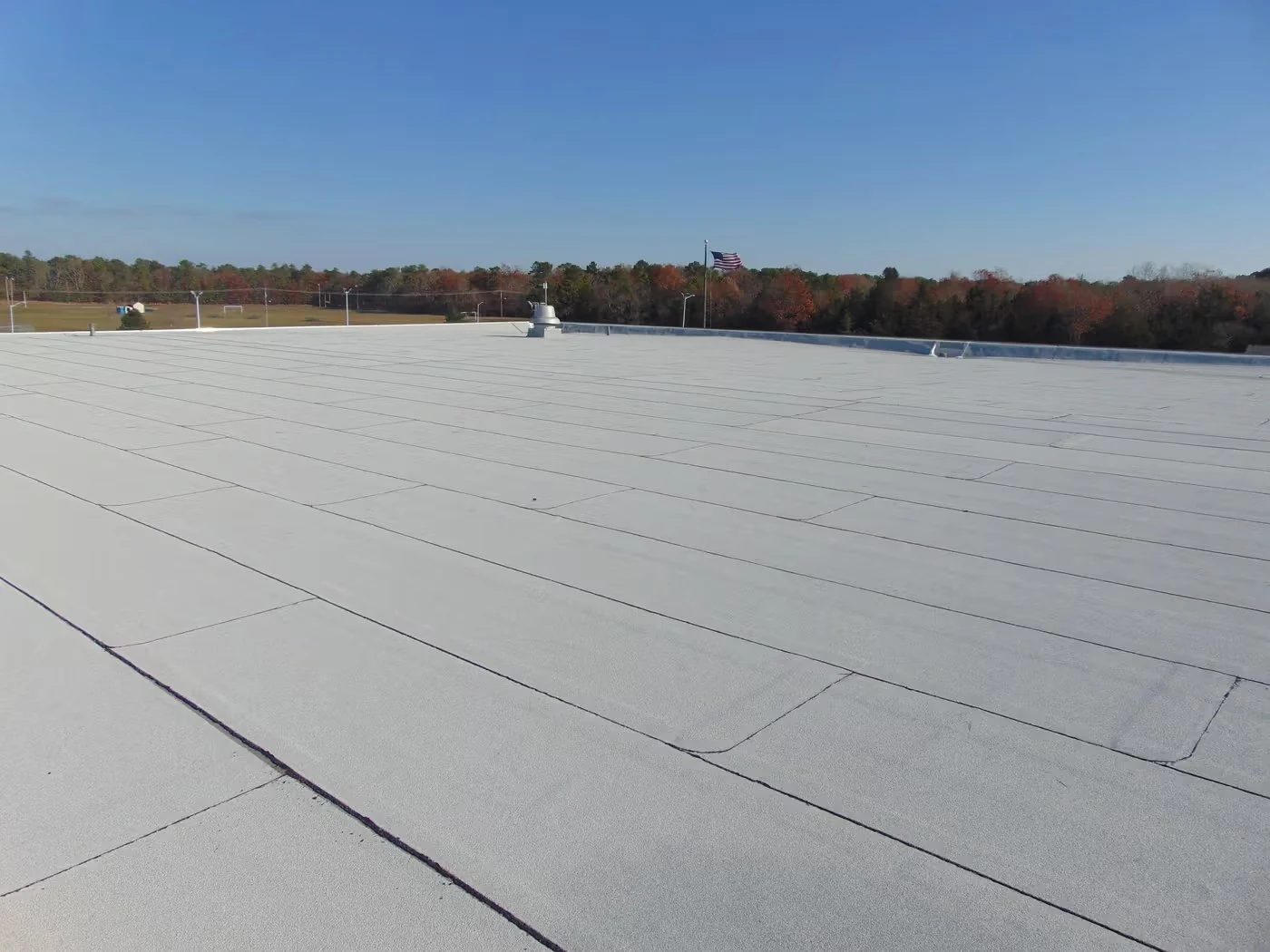
Modified Bitumen SBS Roof Systems in Lansing, MI
Lansing, Michigan
Modified Bitumen SBS: Multi-Ply Redundancy for Older Lansing Roofs
SBS modified bitumen remains one of the more common systems we find on older commercial buildings around Lansing, particularly plant-era structures where a multi-ply built-up-style assembly was the standard when the roof went in. Deciding whether to maintain, recover, or replace one of these roofs starts with understanding what the layered assembly is actually doing for the building, rather than how old the top ply looks.
Why Multi-Ply Redundancy Matters in This Climate
An SBS system typically layers a base sheet and a cap sheet, sometimes with additional plies depending on the original spec, which gives the roof redundancy that a single-ply membrane doesn't have. If the top ply develops a small flaw, water doesn't automatically reach the deck the way it can on a compromised single-ply roof. That redundancy is valuable on buildings where a leak is expensive to trace and repair, like manufacturing floors near Grand Ledge and Charlotte where ceiling access is limited by equipment layout.
The tradeoff is that multi-ply systems are heavier and more labor-intensive to install and repair correctly than single-ply membranes, and a repair done without matching the existing ply structure can create a weak point instead of fixing one.
Torch-Applied vs. Cold-Applied Installation
Torch-applied SBS uses heat to fuse the modified bitumen plies together, which produces a strong bond but requires careful fire-safety practices, especially on occupied buildings or roofs with sensitive rooftop equipment. Cold-applied systems use adhesive instead of open flame, which is slower to install but removes the fire risk entirely, a tradeoff we discuss directly with owners of occupied buildings or facilities with strict operational requirements, including schools and government buildings downtown near the Capitol.
Neither method is inherently better across every job. We match the application method to the building's occupancy, insurance requirements, and the specific roof detail being addressed rather than defaulting to one method for every project.
Ice Damming at Parapets and Scuppers
SBS roofs commonly terminate at parapets with base flashing that has to survive years of ice building up against it every winter. When scuppers or drains are undersized or clogged with debris, meltwater backs up against those parapet details and refreezes overnight, and that repeated cycle is where we find the earliest cracking in aged modified bitumen flashings.
We check scupper capacity and flashing condition together on every SBS inspection, because a roof with excellent field membrane can still fail at the parapet if drainage wasn't sized for the building's actual snow and ice load.
Retrofitting Plant-Era Decks
A lot of the SBS roofs we inspect sit on decks that were built decades before current fastening and insulation standards existed. Retrofitting one of these roofs is more than a simple membrane replacement question; it usually means evaluating whether the deck itself needs reinforcement or repair before a new SBS assembly, or any assembly, goes on top. We've found deck conditions on older plant buildings around Eaton Rapids and Charlotte that changed the entire scope of a project once we got past the surface membrane.
- Blistering or bubbling across the cap sheet surface
- Cracked flashing at parapets or scupper penetrations
- Granule loss exposing the underlying ply
- Standing water at low points that no longer drains fully
- Separation between plies visible at seam edges
- Repeated ice buildup at the same drainage point each winter
When several of these show up together, especially with any sign of deck deflection, we recommend a full evaluation before committing to another round of surface repairs.
Recover, Repair, or Full Tear-Off
The decision usually comes down to how much of the multi-ply structure is still sound. A roof with an intact base ply and a failing cap sheet is often a strong recover candidate. A roof with ply separation, wet insulation, or deck concerns needs a harder conversation about tear-off, even if that costs more up front, because layering new material over a compromised assembly just delays the same failure.
We put that decision in writing with photos and moisture readings so the owner can see the reasoning, rather than take our word for which path costs less over the roof's remaining life.
Questions Owners Ask About SBS Roofs
Is torch-applied SBS too risky for an occupied building?
Not inherently, but it requires strict fire-safety protocols and isn't always the right choice for every occupancy type. We'll recommend cold-applied where the building or its use makes that the safer call.
How do we know if our roof needs a new ply or a full replacement?
It depends on how much of the existing assembly is still bonded and dry. We check moisture content and ply adhesion before recommending either option, rather than guessing from surface condition alone.
Why does our roof keep icing up at the same corner every winter?
Usually a drainage or scupper sizing issue rather than a membrane problem. We look at slope and drain capacity before recommending another membrane repair at that spot.
Can modern SBS be installed over an old built-up roof?
Sometimes, if the existing roof is dry and structurally sound and code allows the additional layer. A moisture survey has to come first.
How long does a well-maintained SBS roof last in Michigan?
Multi-ply SBS systems commonly reach two to three decades with proper maintenance and drainage, though the specific number depends heavily on deck condition and how consistently flashing details were maintained. Buildings that keep up with scupper cleaning and flashing checks every fall tend to outperform roofs where that maintenance gets skipped for a few years running.
Ready to review the roof scope?
Related Roof Systems
-
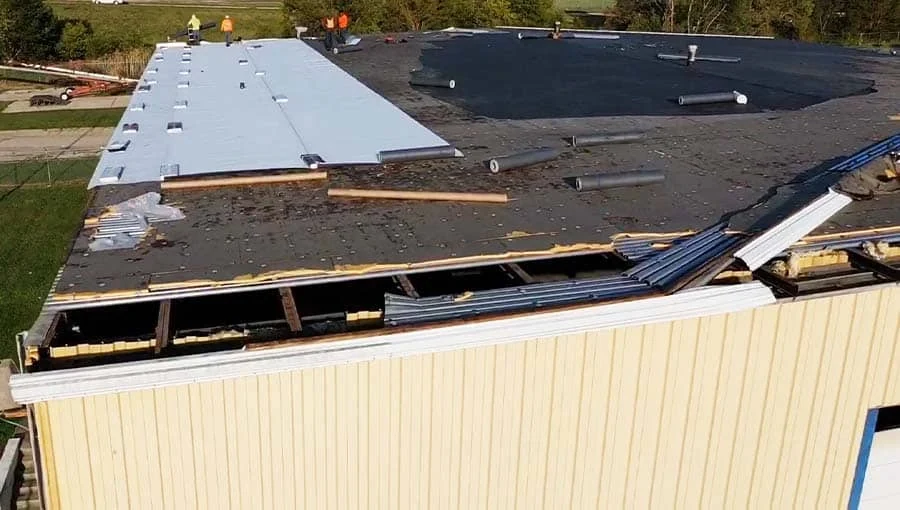
PVC Roofing for Grease, Chemical, and Cold Exposure in Lansing
View project -
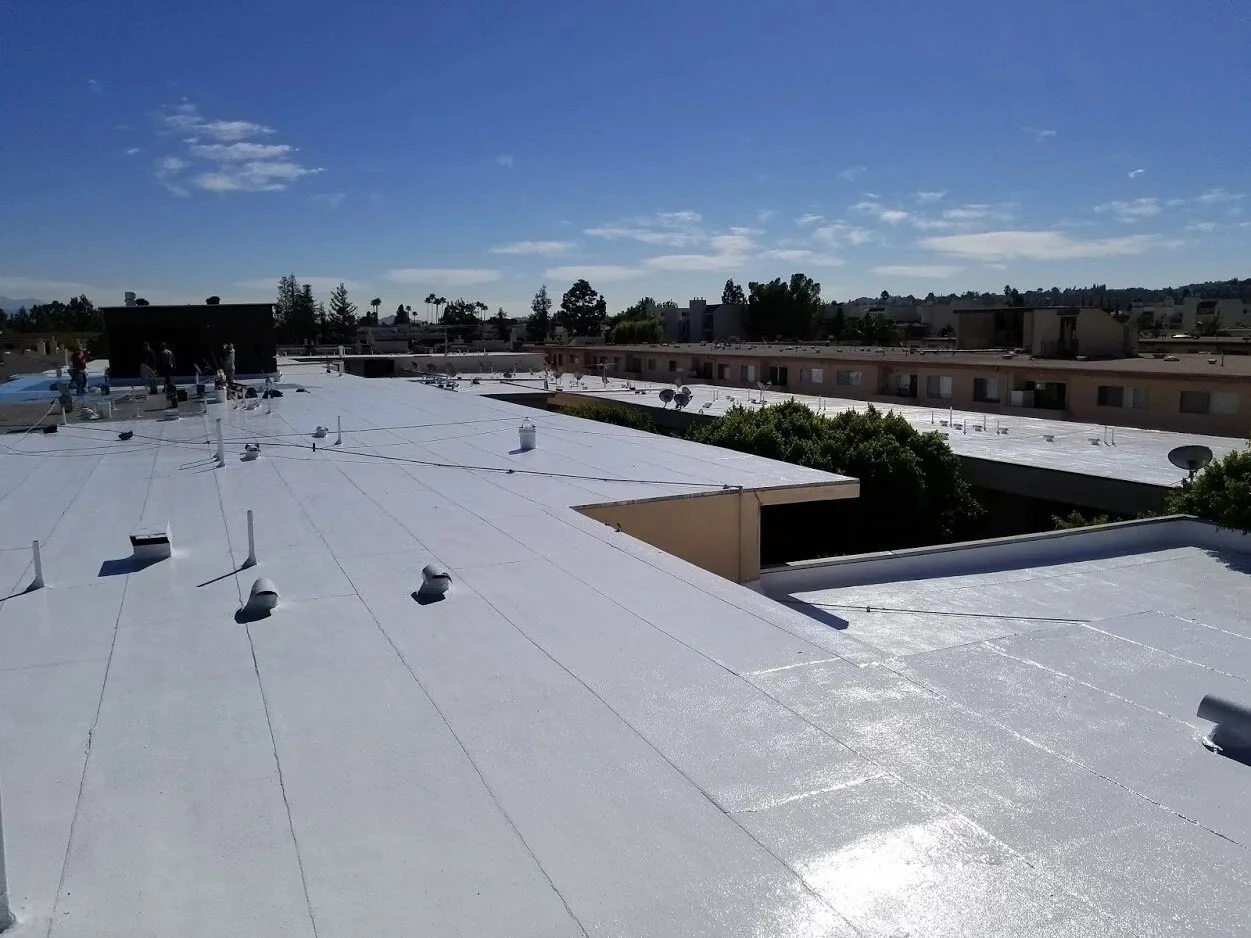
Silicone Roof Coating as a Restoration Path for Aging Lansing Roofs
View project -
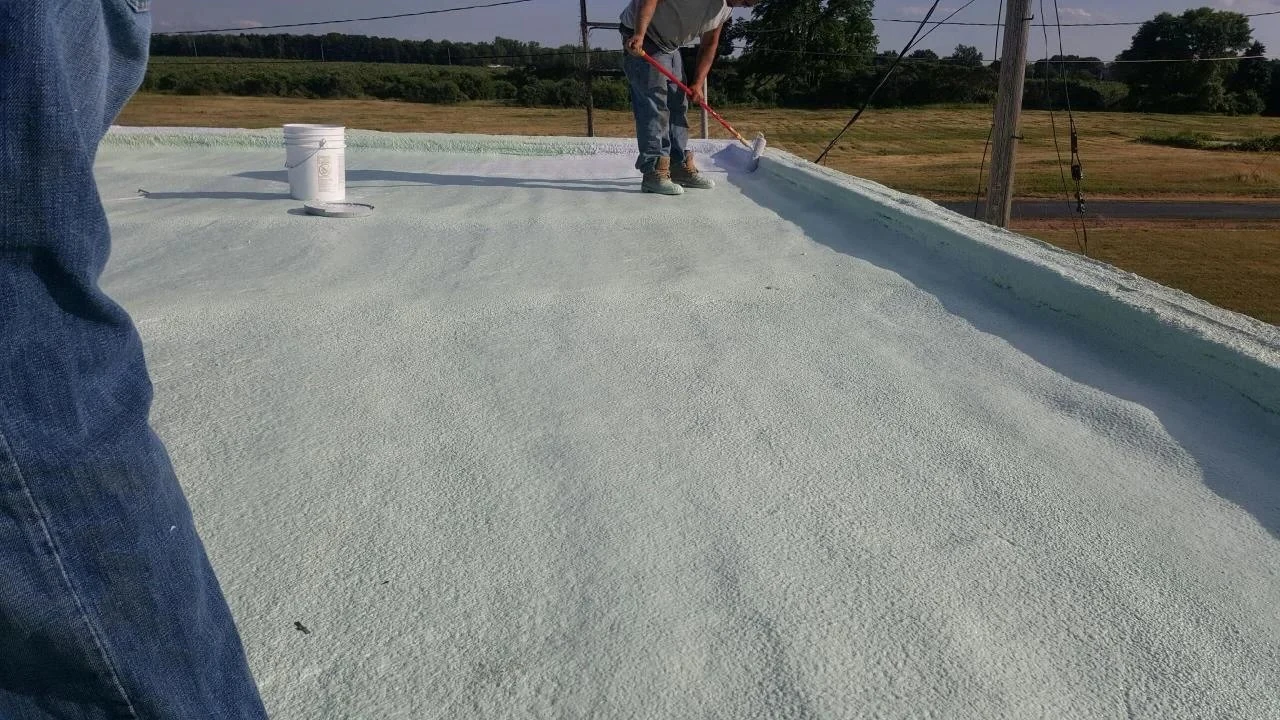
Spray Foam Roofing on Irregular and Plant-Era Lansing Decks
View project -
TPO 60 Mil: The Baseline Spec for Most Lansing Reroofs
View project -
When 80 Mil TPO Is Worth the Extra Cost in Lansing
View project -
What a Roof Inspection Should Actually Tell a Lansing Owner
View project