
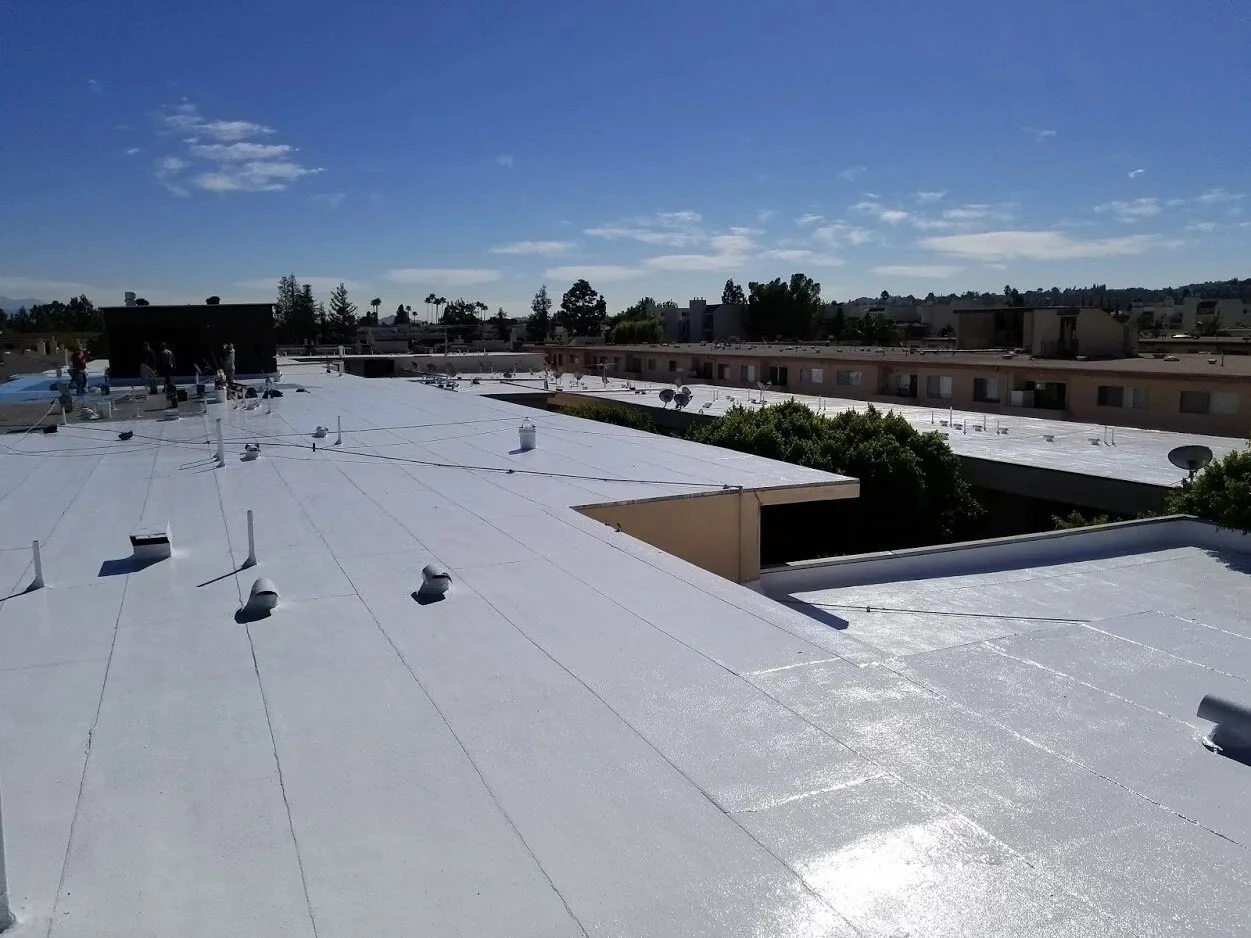
Silicone Roof Coating Systems in Lansing, MI
Lansing, Michigan
Silicone Roof Coating as a Restoration Path for Aging Lansing Roofs
Silicone coating isn't a fix for every aging roof, but on the right candidate it extends service life for a fraction of full replacement cost, especially on buildings where a full tear-off would be disruptive or budget just isn't there this cycle. We evaluate coating as a genuine restoration strategy, not as a way to avoid a conversation the roof actually needs.
What Makes a Roof a Real Coating Candidate
Coating works when the existing membrane is dry, structurally sound, and has enough remaining elasticity to bond properly with the coating system. It does not work over wet insulation, and it does not fix a drainage problem. Before we recommend silicone coating on any roof, we run a moisture survey, because coating over trapped water just seals the problem in and hides it from view until it reappears as an interior leak or a structural issue.
We see good coating candidates most often on office and retail roofs around Holt and South Lansing where the existing membrane has aged past its reflective and flexible best years but hasn't developed widespread seam failure or deck issues.
Ponding Water Resistance
Silicone coating has a real advantage over most other restoration products for resisting standing water. Roofs with low points that hold water after rain, common on older buildings with settled decking or roofs that were never re-sloped after renovation, tend to break down asphalt-based coatings faster than silicone. That resistance is part of why we bring silicone into the conversation specifically for roofs with a known ponding history rather than defaulting to a cheaper acrylic option.
Ponding resistance doesn't mean we ignore the underlying drainage issue. If a roof is holding water because of a structural or slope problem, we address that alongside the coating, because a coating applied over a roof that will keep ponding indefinitely is treating a symptom, not the cause.
Application Temperature Windows in a Michigan Fall
Silicone coating needs a workable temperature and dry surface to cure properly, and Michigan's fall weather doesn't always cooperate with that requirement. Morning dew, early frost, and the general shift toward damp, cold conditions by late October narrow the practical application window more than most owners expect. We track weather closely on coating projects and won't apply coating to a damp or marginal-temperature surface just to hit a deadline, because a coating that doesn't cure properly fails faster than the aged membrane it was meant to protect.
Spring and summer generally give a wider, more predictable window for coating work, which is why we push some fall-requested projects to an early spring start rather than rushing a cure into a narrowing weather window.
What Coating Doesn't Fix
We're direct with owners about the limits of coating. It restores surface flexibility, reflectivity, and weather resistance on a membrane that's still fundamentally sound. It does not repair a failing deck, does not fix seams that have already separated, and does not solve a drainage design flaw. If any of those issues are present, we address them before or alongside coating, not after.
- Membrane still flexible with no widespread cracking or brittleness
- No active leaks or open seam separation at time of inspection
- Dry insulation confirmed by moisture survey
- Drainage adequate or correctable alongside the coating project
- Deck structurally sound with no deflection or damage
- Roof age past its reflective prime but not past functional life
A roof that checks most of those boxes is a strong coating candidate. A roof missing more than one or two usually needs a different conversation.
Cost Position Against Recover and Replacement
Coating typically costs a fraction of a full recover or tear-off and replacement, which makes it attractive for owners managing a tight capital budget or a building nearing a sale or lease turnover where a full roof replacement doesn't make immediate financial sense. We frame it as buying years, not as a permanent alternative to eventual replacement, and we tell owners honestly how many years we think a specific coating application will realistically add.
For owners weighing several capital projects against one roof budget line, that honesty upfront matters more than a coating quote that overpromises and leaves the owner back at square one two winters later.
Questions Owners Ask About Silicone Coating
How many years of life does a silicone coating typically add?
It varies by the condition of the underlying membrane, but a properly applied coating on a good candidate roof commonly adds a meaningful number of service years. We give a specific estimate after inspection, not a blanket number.
Can coating be applied over an EPDM roof as well as TPO?
Yes, silicone coating is compatible with several existing membrane types, though surface preparation differs depending on what's already on the roof.
Does coating stop ponding water from forming?
No. Coating resists the effects of ponding better than most alternatives, but it doesn't change the roof's slope or drainage capacity. A ponding problem needs a drainage fix alongside the coating.
What happens if the roof isn't fully dry before coating?
The coating won't bond properly and moisture gets sealed underneath, which usually makes the eventual repair more expensive than if the roof had been left uncoated. That's why the moisture survey comes first, every time.
Is coating a good option before selling a building?
Sometimes, if the roof is a genuine candidate and the goal is presenting a well-maintained asset. We'll be honest if the roof's condition means coating won't hold up long enough to matter for that purpose.
Ready to review the roof scope?
Related Roof Systems
-
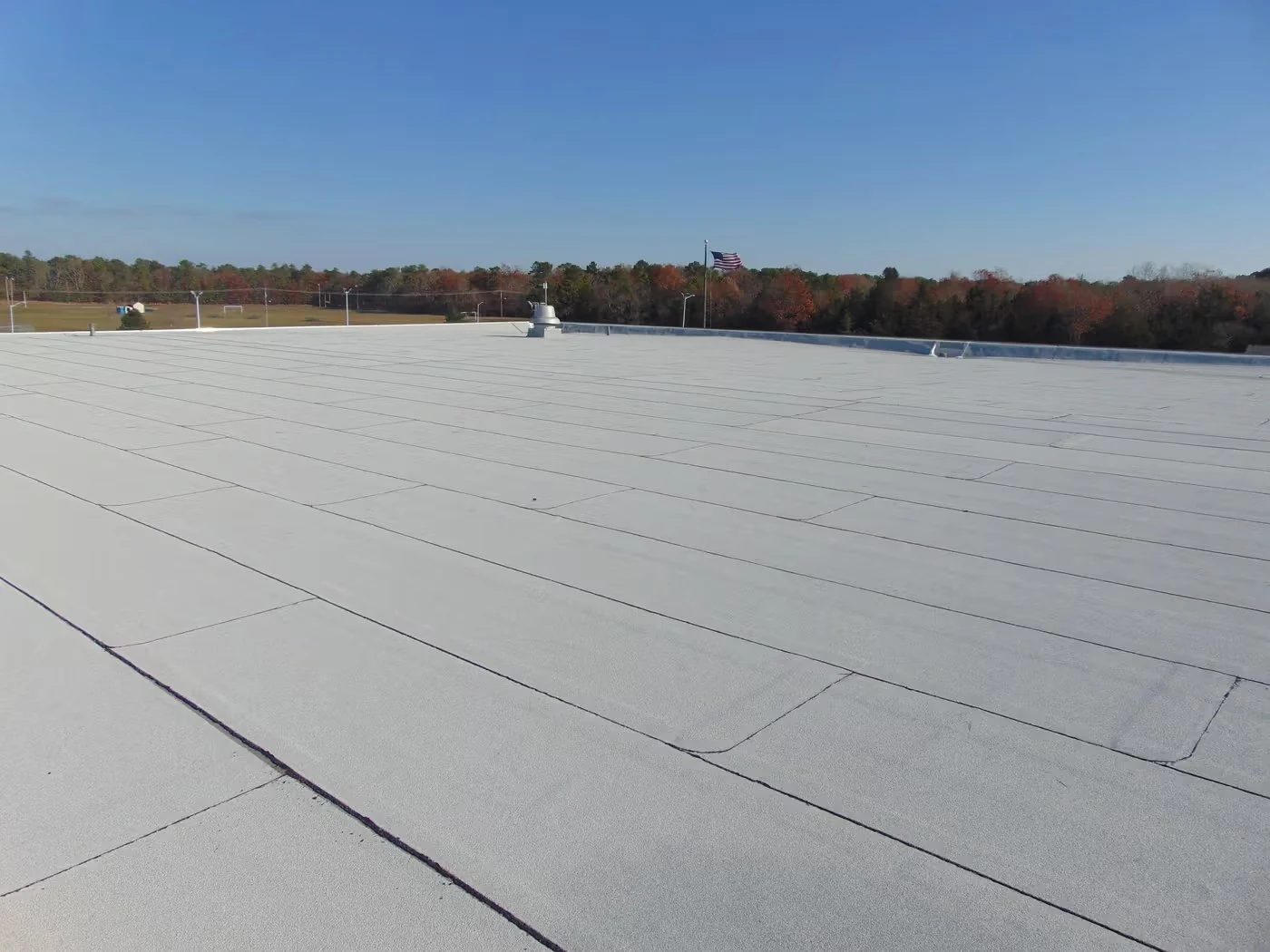
Modified Bitumen SBS: Multi-Ply Redundancy for Older Lansing Roofs
View project -
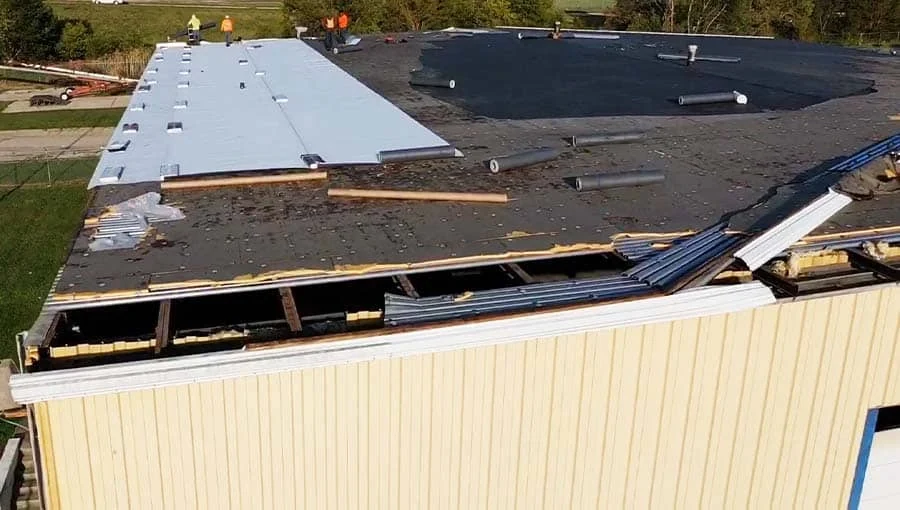
PVC Roofing for Grease, Chemical, and Cold Exposure in Lansing
View project -
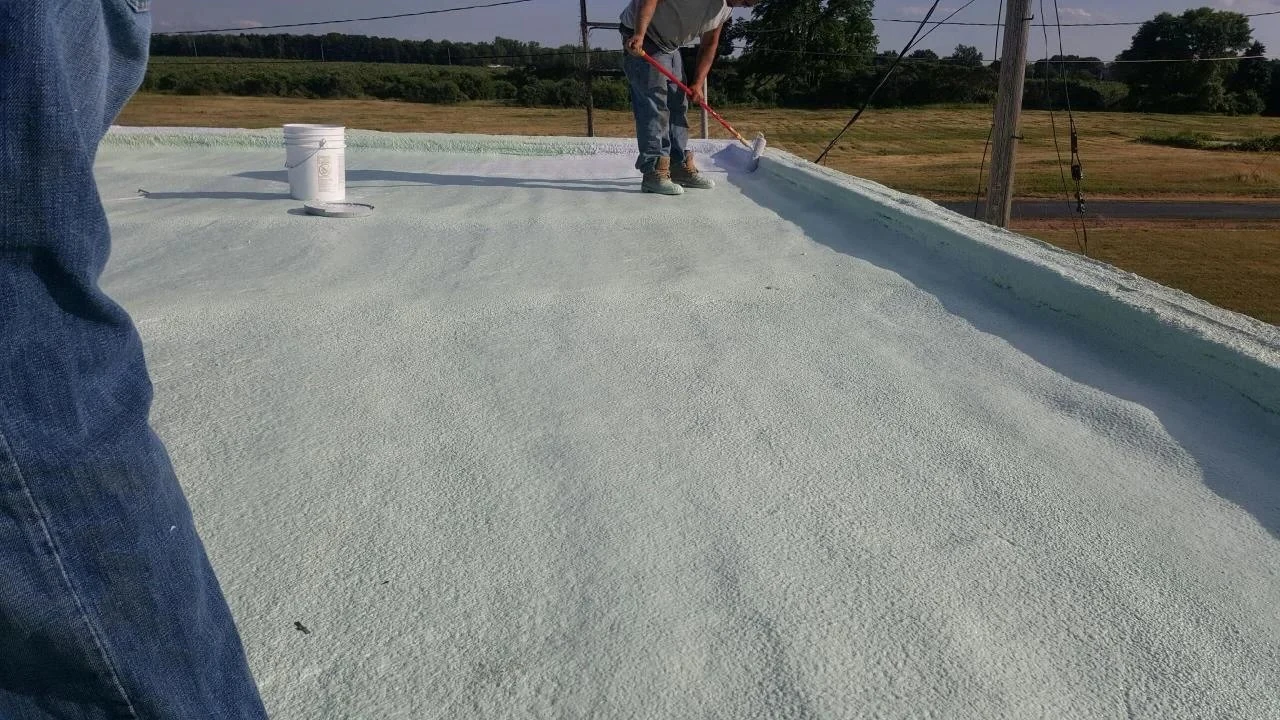
Spray Foam Roofing on Irregular and Plant-Era Lansing Decks
View project -
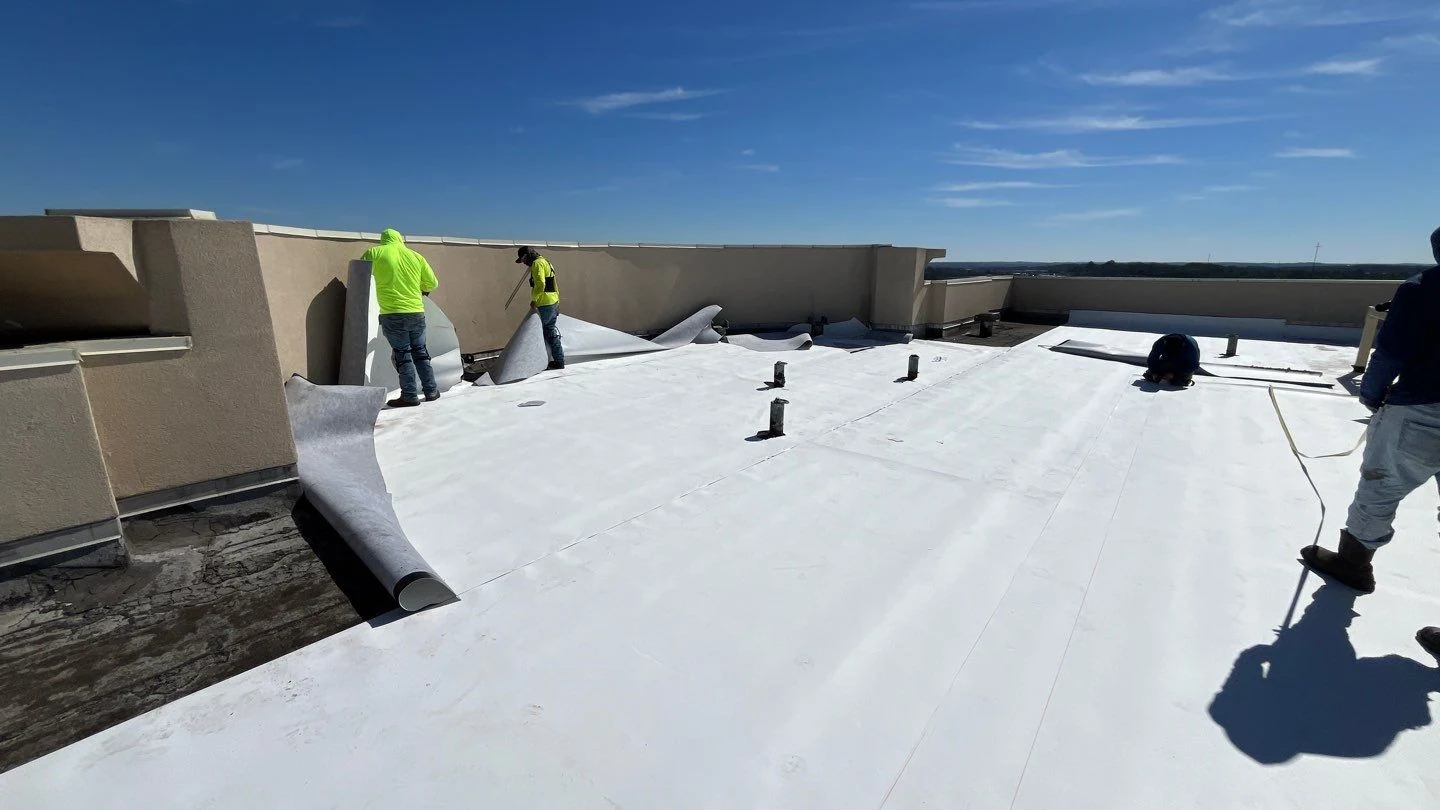
TPO 60 Mil: The Baseline Spec for Most Lansing Reroofs
View project -
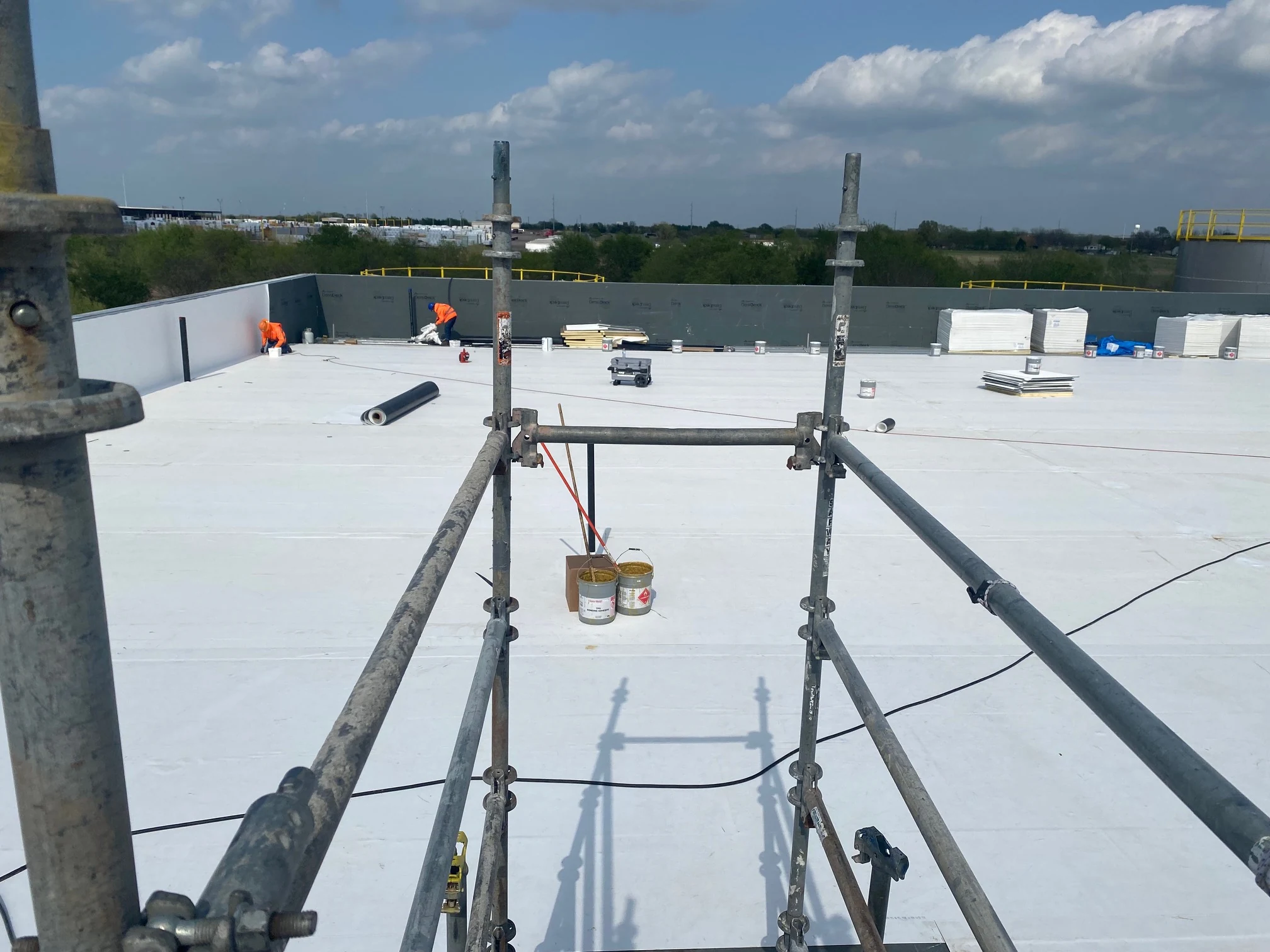
When 80 Mil TPO Is Worth the Extra Cost in Lansing
View project -
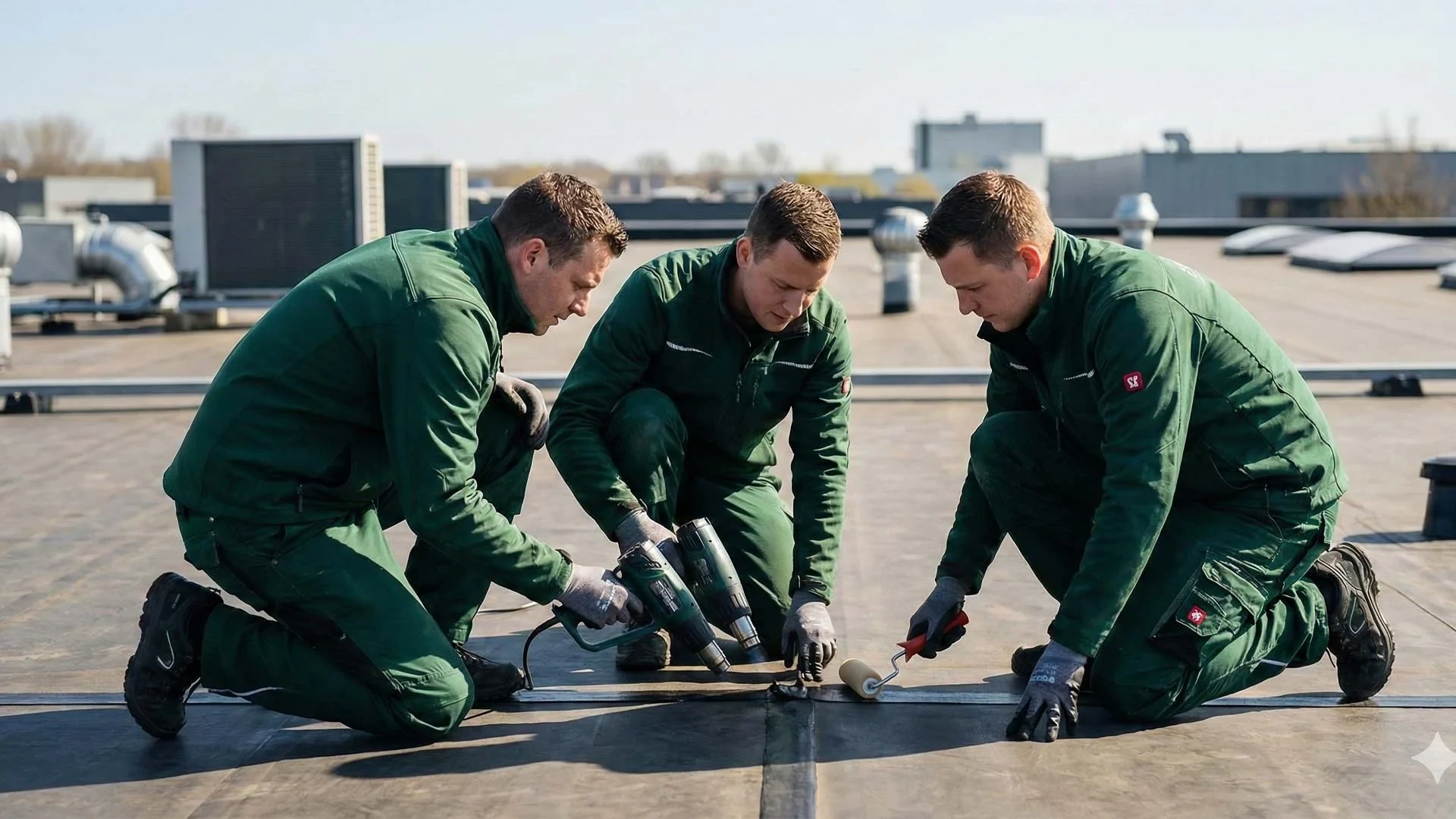
Reroofing Decisions for Lansing's State, Auto, and Campus Roofs
View project