
Commercial Roofing Contractors Downtown Lansing, MI
Lansing, Michigan
Commercial Roofers in Downtown Lansing, MI
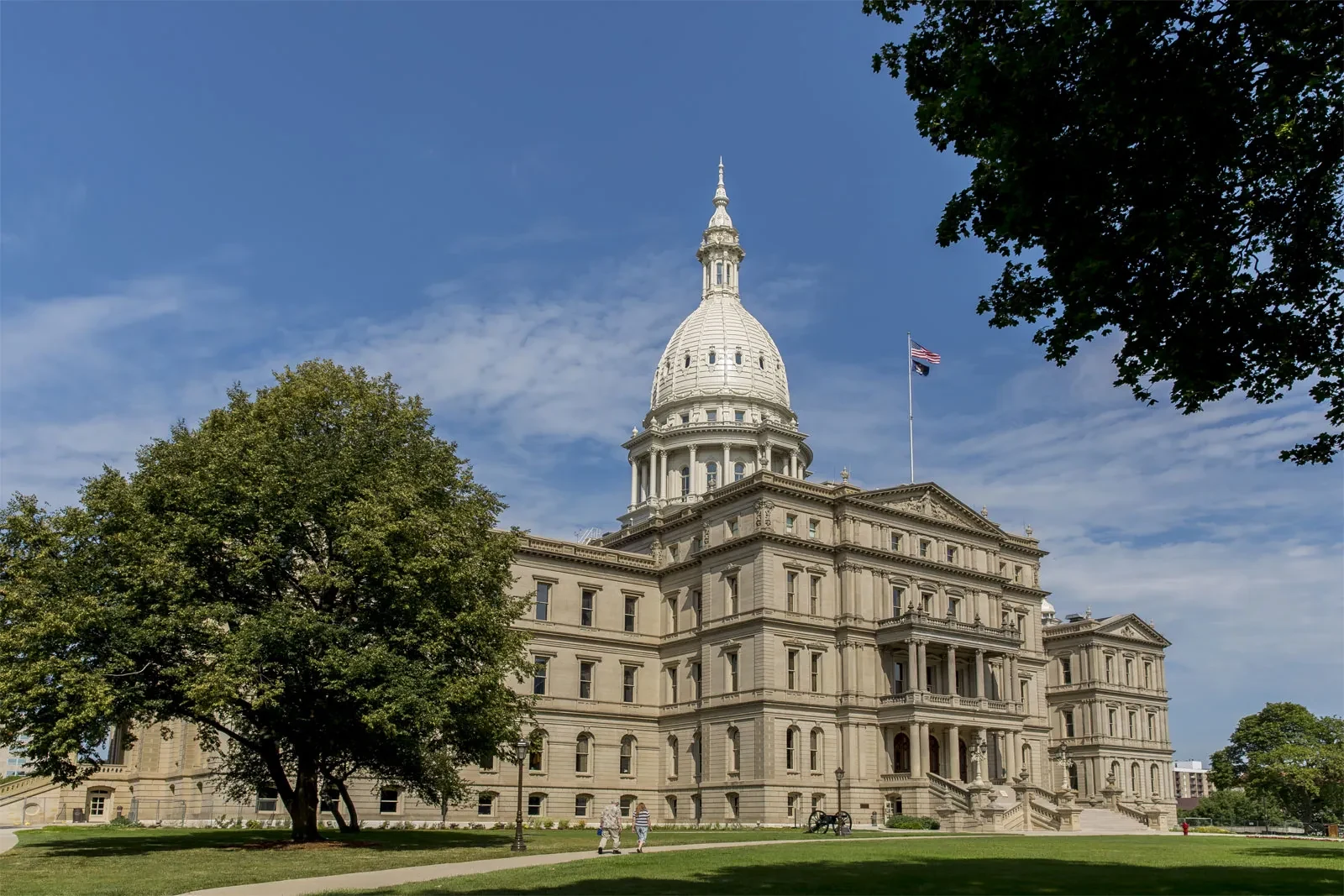
A practical commercial roofing plan for Downtown Lansing, MI properties separates urgent leak control from repair, coating, maintenance, and replacement decisions supported by photos and condition findings. Downtown Lansing's roofs sit under the Capitol dome's shadow in more ways than one. A big share of the building stock is state office space, banks, and entertainment venues clustered around the Capitol and along Michigan and Washtenaw Avenues, and roof work here often runs through a bidding and approval process that a private suburban owner never has to think about. We've spent enough time on downtown roofs to know the technical work and the procurement work are both part of the job.
Public Buildings, Public Bidding
Roof work tied to state office buildings or other public facilities downtown almost always runs through a formal bid process with its own documentation standards, insurance requirements, and prevailing wage considerations. That's a different conversation than a private landlord getting three quotes and picking one. We build proposals for public work with the specifications and certifications that process demands, because a technically sound bid that's missing paperwork doesn't get considered no matter how competitive the price is.
Timelines on public projects also move differently. Approval can take months longer than a private owner would tolerate, and weather windows can close before a contract is even awarded. We plan around that by flagging seasonal deadlines early in the proposal stage rather than after a purchase order finally lands in July with a roof that really needed to start in May.
Older Downtown Buildings With Layered Roof History
A lot of the private commercial buildings downtown, the banks, the older office blocks, the mixed-use buildings near the entertainment district around the Lansing Center and Cooley Law School Stadium, have roofs that have been recovered or patched multiple times over decades. Built-up roofing from an earlier generation sometimes sits directly under a newer single-ply layer, and figuring out what's actually up there before quoting a repair takes an exploratory cut, not a guess from ground level.
These older roofs also tend to have parapet walls and cornices that weren't designed with modern flashing details in mind. Getting a watertight transition at a masonry parapet on a hundred-year-old building takes more custom sheet metal work than a standard retail box roof, and that's reflected in both the timeline and the cost, which we explain clearly rather than let an owner assume every roof quote should look the same.
Wind Funneling Between Tall Buildings
Downtown's taller buildings create wind-tunnel effects between them that don't happen out in the suburbs. Gusts accelerate through the gaps between office towers and hit adjacent lower roofs at higher speeds than the open-air forecast would suggest. We've seen edge metal and coping fail on buildings downtown from wind loading that a similar roof in a lower-density part of the market would never experience. Anchoring and fastening schedules for roofs in this corridor need to account for that funneling effect specifically, since standard wind-zone tables understate it here.
Winter Failure Points Downtown
Between the age of the building stock and the wind exposure, downtown roofs show a distinct pattern of winter damage that we watch for on every inspection in this district:
- Coping and edge metal fasteners loosened by wind acceleration between tall buildings
- Parapet flashing separation on older masonry buildings not built for modern membrane systems
- Ponding at low points on flat built-up roofs that have settled unevenly over decades
- Ice buildup at internal drains overwhelmed by roofs with minimal slope
- Membrane cracking at pitch pans around aging conduit and antenna penetrations
Any one of these left unaddressed through a winter can turn into interior water damage in occupied office space, which is a far more expensive problem for a downtown building owner than the roof repair itself would have been.
What a High-Visibility Roof Means for the Work
Roofs downtown are visible from surrounding office towers and from the Capitol grounds in a way suburban roofs simply aren't. That's not a cosmetic point, it affects staging, material storage, and how carefully a crew has to manage debris and dust in a dense downtown block with pedestrian traffic on every side. We plan logistics for downtown jobs the way we would for any tight urban site, with containment and cleanup built into the schedule, not treated as an afterthought.
Questions Downtown Lansing Building Owners Ask Us
Do you handle roofing bids for state or municipal buildings?
Yes. We prepare proposals that meet public procurement documentation and insurance requirements, and we account for the longer approval timelines those projects typically involve.
Why does our older downtown building's roof cost more per square foot than a suburban box store?
Custom parapet and cornice flashing on an older masonry building takes more sheet metal work and more time than a standard retail roof edge. The complexity is in the details, not the field membrane itself.
Does wind really behave differently downtown than in the rest of the market?
Yes, wind funnels and accelerates through the gaps between tall buildings, and we've seen edge metal fail from that effect on buildings that would otherwise be well within normal wind-zone tolerances.
How do you handle material staging on a tight downtown block?
We plan crane picks, delivery timing, and debris containment around pedestrian and vehicle traffic before the job starts, since there's rarely room for a standard staging yard downtown.
What's under our roof if it's been recovered more than once?
Often an earlier built-up system sits under a newer single-ply layer. We do exploratory core cuts before quoting repair work so we know exactly what's there instead of guessing.
Ready to review the roof scope?
Related Service Areas
-
Roofing for Leslie's Small Manufacturers and Downtown Storefronts
View project -
Mason Roofs Range From the Ingham County Courthouse to Dart Container's Production Floors
View project -
Meridian Mall Retail and Okemos Medical Office Roofs Have Different Tolerances
View project -
Roofing Around Perry's I-69 Exit and Farm-Service Buildings
View project -
Portland's I-96 Manufacturers and River-Confluence Downtown Need Different Roof Plans
View project -
Stopping Water Before It Costs More Than the Roof Damage Itself
View project