
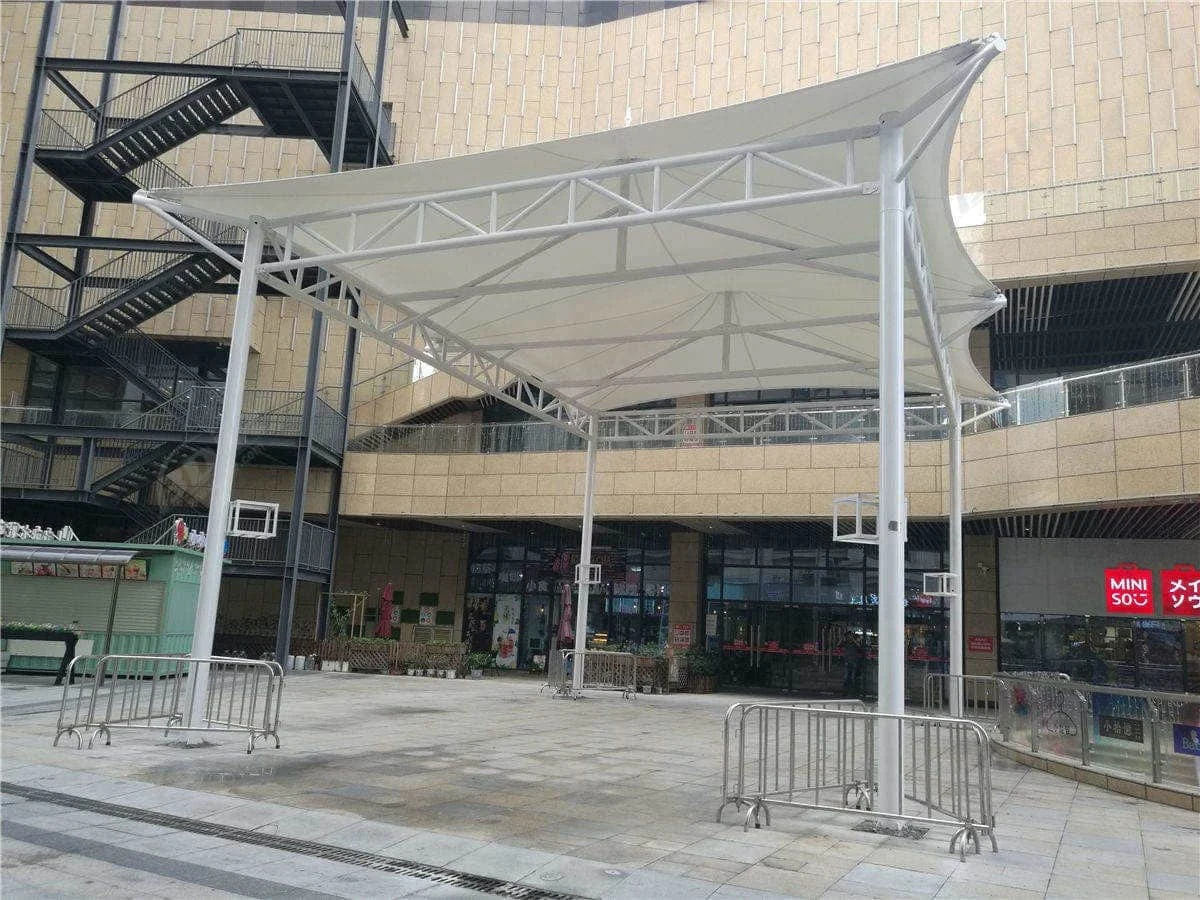
Retail Chain Roofing in Lansing, MI
Lansing, Michigan
Keeping Stores Open While the Roof Above Them Gets Fixed
From Meridian Mall in Okemos to Eastwood Towne Center and the big-box corridor along Cedar Street and Martin Luther King Boulevard, retail roofs here answer to one rule above the rest: the doors stay open. We work the schedule around the store's hours, not the other way around.
Roof Work That Never Shows Up on the Sales Floor
Overnight and off-hours scheduling is standard for big-box and mall-anchor stores, and we stage material and equipment away from customer parking and entrances so a shopper walking in has no idea a roof project is underway above them. Loading docks and back-of-house access get used first, before customer-facing areas ever come into play.
Sound and vibration limits during business hours matter more at some stores than others, particularly retailers with quiet zones or a shared wall with another tenant. We confirm those limits with store management before scheduling any work that runs during open hours.
We also plan around a store's own calendar rather than treating every week the same. A back-to-school push at a big-box store or a holiday buildup at a mall anchor is the wrong week to have a crew and a dumpster in the parking lot, and we schedule around those windows whenever a project's timeline gives us room to.
One Point of Contact for a Chain With Multiple Service Areas
A retail chain operator managing several stores across the region generally wants one roofer who already knows every location's roof history, not a different vendor called in fresh at each address. We track system type, install age, and warranty status per location so a regional facilities manager isn't starting from zero every time a store needs attention.
Proposals come back in the same standardized format across every store, which lets a regional manager compare locations directly and prioritize budget the same way every time instead of reading five differently formatted bids.
Big-Box Roof Loads From Rooftop Signage and HVAC
Large-format retail roofs carry a heavy count of rooftop HVAC units plus illuminated pylon and rooftop signage structures, and every curb and penetration tied to that equipment is a spot we check first during inspection. These roofs fail at the equipment interfaces long before the open field of membrane shows any wear.
Reflective, cool-roof coatings come up often on these buildings, and the benefit goes beyond the membrane itself. A more reflective roof surface also reduces in-store HVAC load during summer months, which shows up on the utility bill as well as the roof's condition.
Storm Response Across Multiple Store Service Areas at Once
A single hail or wind event can hit every store in a chain's regional footprint on the same afternoon, and we triage by which roofs show active leaks first, mobilizing tarp crews to protect merchandise at the locations that need it most urgently. Waiting to assess every store in order arriving at each in turn wastes time a leaking roof doesn't have.
We provide a single consolidated damage report covering every affected location instead of five separate one-off reports, which is what a regional facilities team actually needs to manage a multi-store claim or repair plan.
Planning Roof Replacement Around a Remodel or Refresh Cycle
Chains often tie roof replacement to a broader store remodel or refresh cycle rather than replacing a roof in isolation. When we know a remodel is coming, we plan the roof scope to avoid conflicts with new rooftop equipment, updated signage, or exterior work happening on the same schedule, so the two projects don't end up working against each other.
We also flag when a remodel's added rooftop equipment load changes what the existing roof structure can support, since a new HVAC package or additional signage curb sometimes calls for a structural check before it goes up, beyond the flashing detail alone. Catching that early keeps the roof scope and the remodel scope on the same timeline instead of one holding up the other.
- Enclosed mall anchor and inline stores
- Big-box and warehouse-club buildings
- Grocery-anchored strip centers
- Freestanding pad-site retail
- Power center and lifestyle center storefronts
What Regional Facilities Managers Want to Know
Can roof work happen entirely after store hours?
Yes, in most cases. We schedule the disruptive phases overnight and confirm any exceptions with store management ahead of time.
Do you track roof history and warranty status separately for each of our locations?
Yes. We keep system type, install date, and warranty information on file per address so we're not starting from scratch every time a store calls.
How do you prioritize response when a storm hits multiple stores at once?
We triage by severity, sending crews first to locations with active leaks or structural concerns, then working through the rest of the affected footprint.
Can you protect merchandise below the roof deck while repairs are underway?
Emergency tarp and dry-in work is aimed specifically at protecting what's below the roof, and we coordinate with store staff on covering or relocating merchandise if needed. For grocery-anchored centers, that coordination often has to happen fast, since spoiled inventory below a leak is a bigger loss than the roof repair itself.
Will you send one consolidated report across all our locations instead of separate ones per store?
Yes, that's the standard format we use for chain accounts, since it's what a regional team actually needs to manage a multi-location repair plan.
Ready to review the roof scope?
Related Industries We Serve
-

Roofing Scope for General Contractors Building in the Capital Region
View project -
Roofing State, County, and City Buildings Through Michigan's Budget Calendar
View project -
Roof Work That Doesn't Interrupt Patient Care
View project -
Roof Documentation That Holds Up Through the Claims Process
View project -
Roofing Over the Supplier Shops and Plants Around Lansing's Auto Industry
View project -
What a Roof Recover Can Hide - and When It Shouldn't
View project