

Roofing Subcontractor Services in Lansing, MI
Lansing, Michigan
Roofing Scope for General Contractors Building in the Capital Region
New construction and tenant build-out work has been steady around Lansing, tied to state government facility projects, development near Michigan State University, and expansion among the manufacturers along the US-127 and I-96 corridors. We sub roof scope on new construction, additions, and tenant improvement projects for general contractors who need a bid they can trust and a schedule they can build around.
Bidding Roof Scope From Plans, Not a Walkthrough
We price roof scope directly from the plan set and the relevant spec division, not from a rough guess at square footage. That means reading the wind uplift requirements, insulation values, and membrane specification called out in the documents and pricing to that standard, so the number we hand a GC's estimator holds up through award and doesn't turn into a change order later.
When the spec allows an alternate, we'll offer one, whether that's a TPO alternate to a specified PVC system or a different insulation package that hits the same R-value at a better price. We flag these as options in the bid, not as a substitution decided after the contract is signed, so the GC and owner can make that call with full information.
We also flag conflicts between the roof plan and the structural or mechanical drawings before bid day, not after mobilization. A rooftop unit schedule that doesn't match the curb layout on the roof plan, or a parapet detail that doesn't account for a planned rooftop screen wall, is much cheaper to fix on paper than after material is ordered.
Sequencing Roof Work Into a Tight Construction Schedule
Dry-in date drives everything that follows it. Framing crews, mechanical rough-in, and drywall all wait on a watertight roof, and a late dry-in cascades into every trade scheduled behind it. We coordinate directly with the GC's superintendent on deck completion so the roof crew mobilizes the day it can, not a week after.
Michigan's fall weather window adds real pressure on projects trying to get dried in before the first hard freeze. We build that seasonal deadline into our schedule commitments up front rather than discovering it mid-project, and we'll flag early if a project's overall schedule is putting the roof date at risk.
We also track material lead times separately from labor scheduling. A specified membrane or insulation package on backorder is a scheduling risk a GC needs to know about at bid time, not two weeks before the deck is ready, so we confirm availability before committing to a dry-in date on the schedule.
Tenant Build-Outs and Rooftop Unit Coordination
Tenant improvement projects almost always need new curb cuts for rooftop HVAC units, and we coordinate directly with the mechanical sub on exact penetration locations and curb heights before equipment gets set, rather than flashing around a unit that's already in place. Getting that sequence right the first time avoids a second mobilization.
Multiple trades working on one roof creates a warranty question most GCs don't think about until it comes up: manufacturer warranties usually require the roofer of record to inspect and properly flash any penetration another trade cuts after substantial completion. We spell this out in our scope so it's clear whose responsibility it is if someone else needs to cut the roof later.
Punch List and Warranty Documentation GCs Actually Need
Closeout paperwork holds up final payment more often than it should. We provide manufacturer warranty registration, as-built roof documentation, and a punch list response on the timeline the GC's closeout schedule requires, not weeks after the rest of the project has already closed out.
We turn punch list items around fast because we know what a slow response actually costs a GC: retainage held longer than it needs to be, and an owner who judges the whole project by whichever trade is still on the list. A roof punch item sitting open for a month reflects on the GC long after our crew has left the site.
- Ground-up warehouse and distribution shells
- Medical office and retail tenant build-outs
- School addition and renovation projects
- Multifamily and mixed-use new construction
- Manufacturing and industrial expansion projects
What a Late or Wrong Roof Bid Costs a GC
An underbid roof package forces a change order that eats into a GC's margin and puts a strain on the owner relationship right when a project needs that relationship intact. A missed dry-in date is worse: every trade scheduled behind the roof slides with it, and that slippage is hard to make up on the back end of a project.
We requalify scope against the actual project spec before committing a price, not after the contract is signed, specifically to avoid handing a GC a number that doesn't survive the real building conditions.
Questions Estimators and PMs Ask Before They Sub Us In
Can you turn a roof bid from a plan set within a normal estimating deadline?
Yes, in most cases within the standard bid window GCs work with, assuming the drawing set and spec sections are complete.
Do you carry the insurance and bonding capacity most GCs require of subs?
We carry standard contractor insurance and can provide documentation for a GC's prequalification process, and we'll discuss bonding on a project-specific basis.
How do you handle rooftop unit curb coordination with the mechanical sub?
We confirm exact curb locations and heights with the mechanical sub before setting any equipment, so flashing goes in correctly the first time instead of being retrofit around a unit already in place.
What's your lead time to mobilize once we release the roof package?
Lead time depends on material availability and current crew commitments, but we give a firm mobilization date at contract signing and flag it immediately if anything threatens that date.
Will you warranty flashing work around penetrations other trades cut later?
We'll inspect and flash any penetration cut after our work is complete, but that scope and its warranty terms need to be agreed on up front, not assumed after the fact.
Ready to review the roof scope?
Related Industries We Serve
-
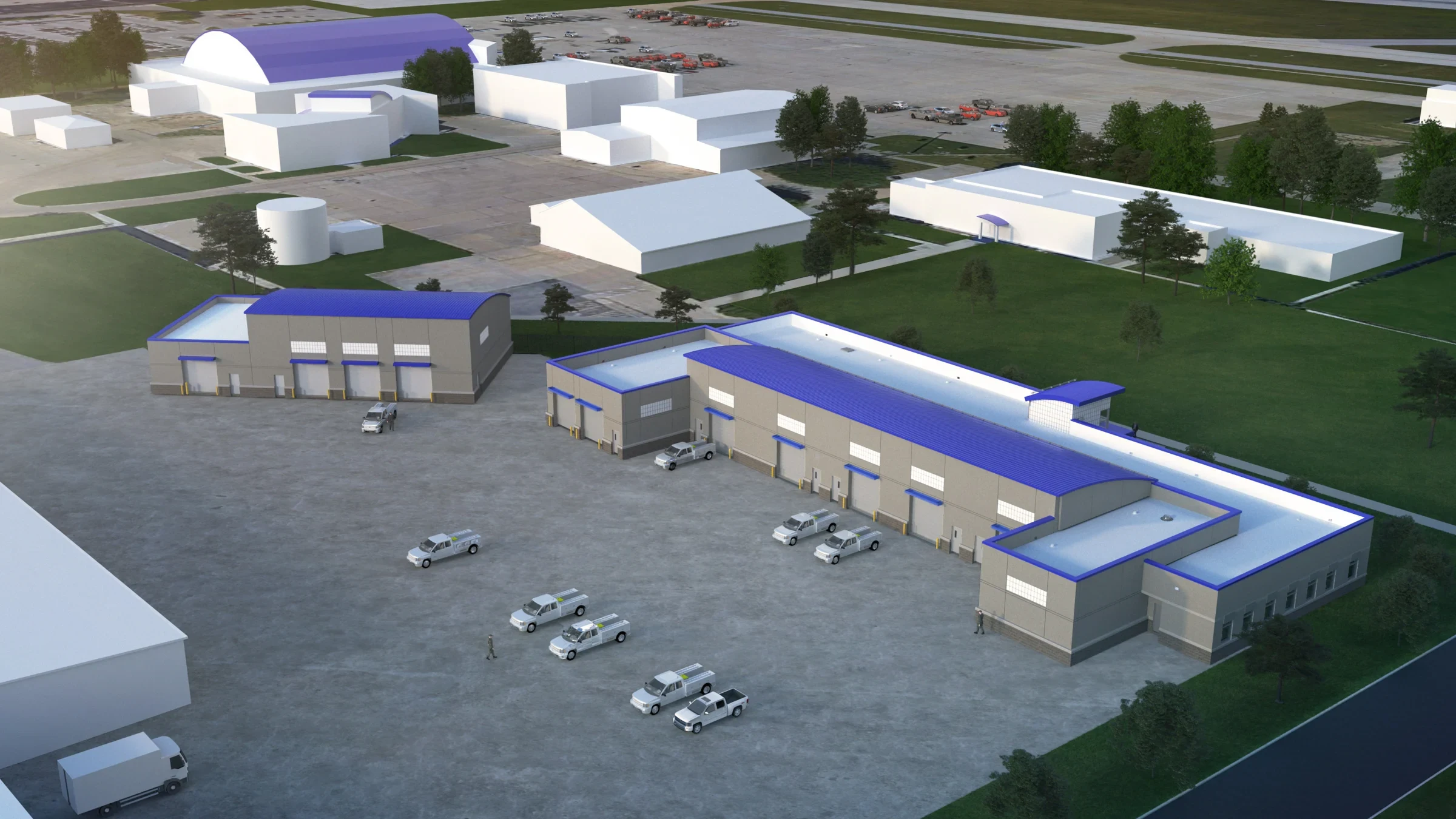
Roofing State, County, and City Buildings Through Michigan's Budget Calendar
View project -
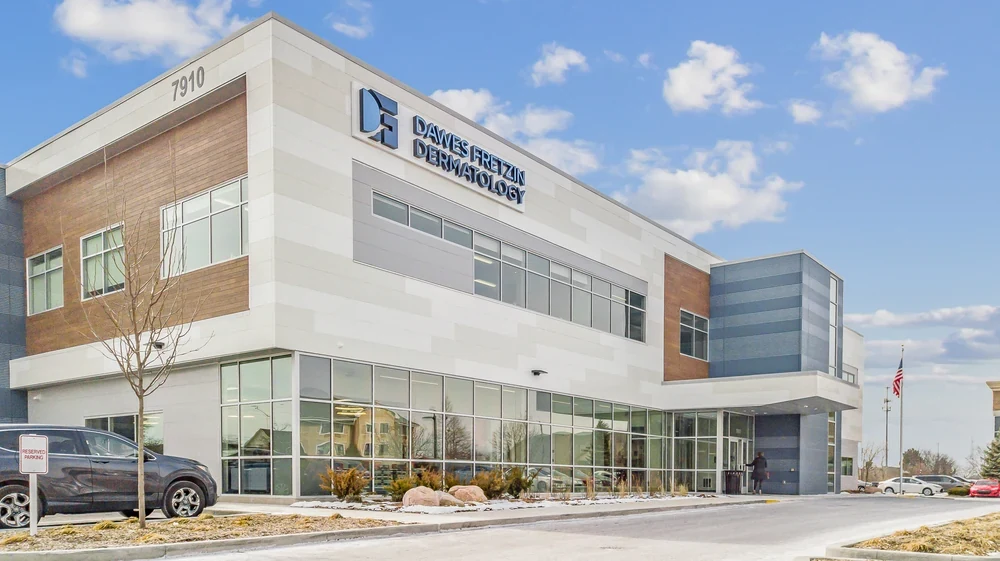
Roof Work That Doesn't Interrupt Patient Care
View project -

Roof Documentation That Holds Up Through the Claims Process
View project -
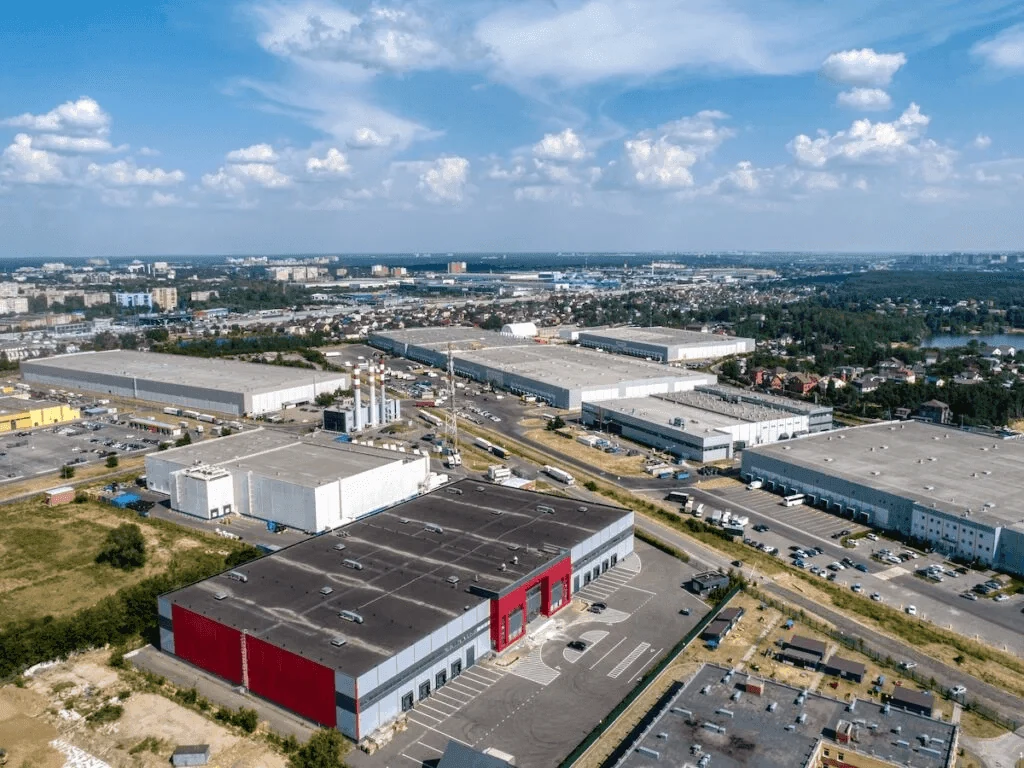
Roofing Over the Supplier Shops and Plants Around Lansing's Auto Industry
View project -
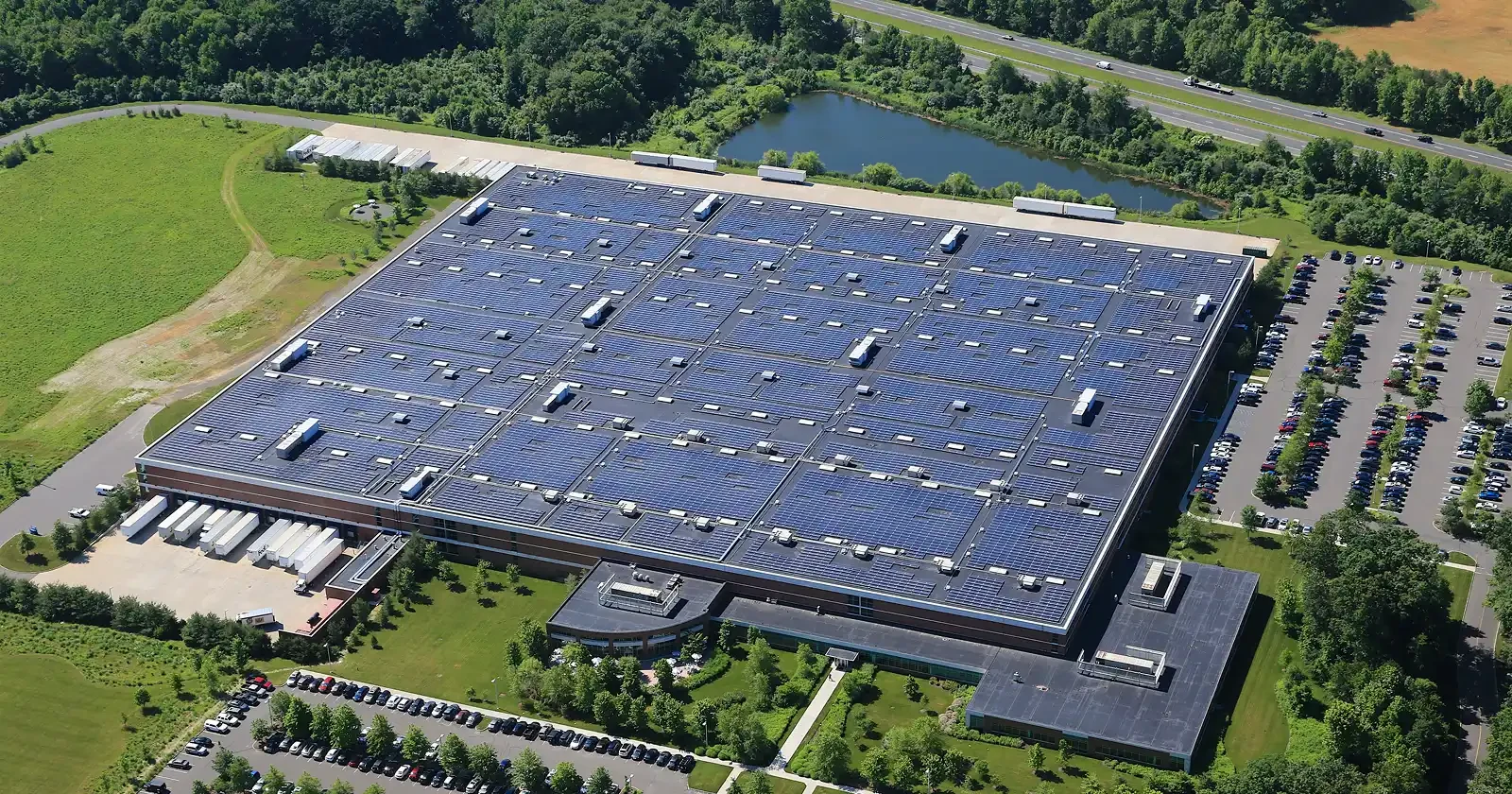
One Roofer Across a Multi-Building Portfolio Instead of Ten
View project -
What a Roof Inspection Should Actually Tell a Lansing Owner
View project