
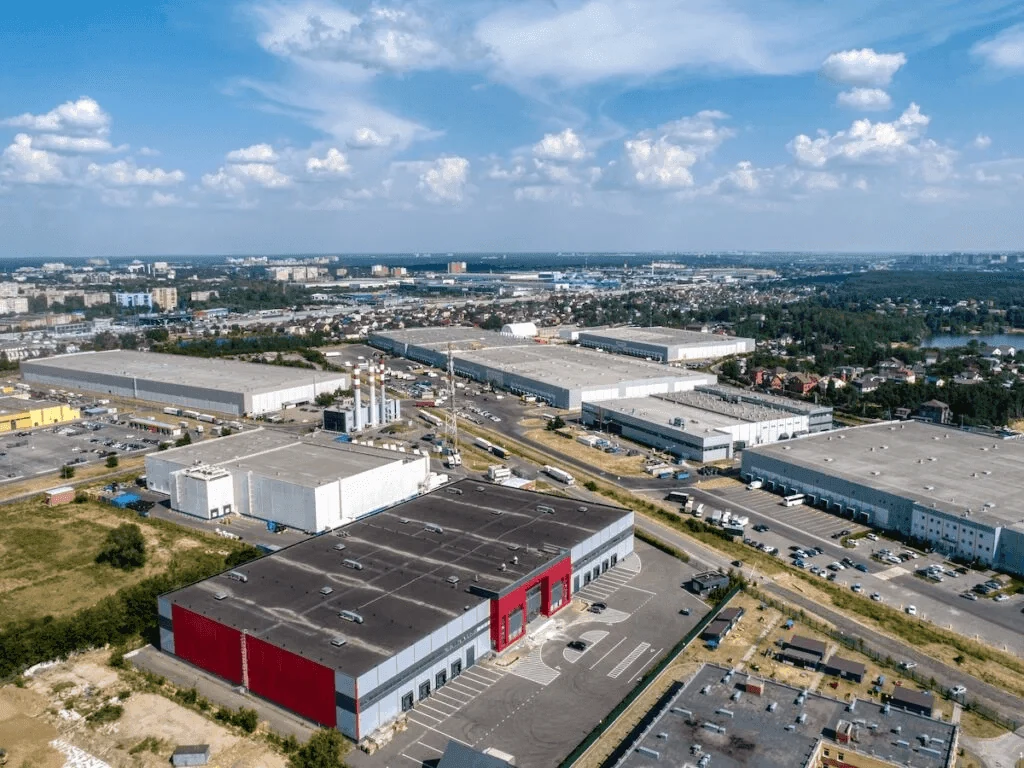
Manufacturing Plant Roofing in Lansing, MI
Lansing, Michigan
Roofing Over the Supplier Shops and Plants Around Lansing's Auto Industry
Two General Motors assembly plants are the hub of a supplier base that fills industrial parks along US-127, I-96, and I-69, from Delta Township and DeWitt Township out to Grand Ledge and Watertown Township. We work on the stamping shops, tooling plants, warehouses, and processing facilities that fill out that supply chain and the industrial buildings around it, not the assembly plants themselves.
A Supply Chain Stacked Along US-127, I-96, and I-69
The concentration of tier-one and tier-two automotive suppliers around Lansing exists because of proximity to the assembly plants, and that proximity put a lot of low-slope industrial roof square footage up along the same highway corridors over the past few decades. DeWitt Township's US-127 corridor, the industrial parks off I-96 in Watertown Township and Webberville, and the plants around Grand Ledge and Charlotte all carry this mix of stamping, molding, and logistics buildings.
Outside the auto supply chain, the region has its own processing and agribusiness plants that carry the same kind of roof, including large dairy and food processing operations around St. Johns and container manufacturing facilities near Mason. The roof problems on these buildings look similar regardless of what the plant makes: heavy equipment loads, constant penetrations, and very little tolerance for downtime.
Roof Penetrations for Process Equipment That Never Stops
Manufacturing roofs accumulate curbs and penetrations over years of operational changes: dust collection systems, paint booth exhaust, compressor room vents, and rooftop units added to support new equipment on the floor below. Each one of those is a flashing detail that has to move with the roof membrane instead of tearing it, and on older systems these are usually the first place a leak starts.
We re-flash and re-seal these penetrations without shutting the line down underneath them wherever the plant's safety protocols allow it, working from outside access and coordinating hot work permits where coatings or solvents nearby make that a real constraint. A plant floor manager doesn't want to hear that a roof repair requires stopping production, and in most cases it doesn't have to.
Coatings and Chemical Exposure From Plant Operations
Exhaust from paint lines, welding smoke, and solvent vapor settle on a roof membrane over time and degrade certain systems faster than ordinary UV and weather exposure would on their own. This shows up as a membrane that looks fine from the ground but is losing flexibility and seam strength years ahead of schedule.
Silicone and acrylic roof coatings hold up better against this kind of chemical exposure than an uncoated membrane, and we recommend them specifically for buildings where plant exhaust is part of the roof's daily environment, not as a blanket upsell on every job.
Scheduling Around Shift Production, Not Business Hours
Many of the plants we work around run multiple shifts, and some run close to around the clock. Roof access, material staging, and noise all have to work around shift change, forklift traffic on the yard below, and whatever quiet hours the plant enforces for the shift that's trying to sleep during the day.
We ask for the plant's production schedule before we ever propose a start date, and we build crane and material delivery windows around it instead of assuming a roof crew has the run of the site whenever it wants it.
- Stamping and tooling shops
- Injection molding plants
- Warehouse and distribution buildings supporting the supply chain
- Food, dairy, and container processing plants
- Agribusiness and ag-equipment service buildings
- Cold storage and logistics facilities
What a Roof Failure Costs a Plant Floor
Water reaching an electrical panel, a conveyor line, or raw material stock on a plant floor costs a lot more than the roof section that let it in, and the lost production time from an unplanned shutdown almost always outweighs the repair bill. A roof problem on a manufacturing building is rarely just a roof problem by the time it's noticed.
When a leak does hit a plant floor, we prioritize an emergency tarp or dry-in over anything else, specifically to get the line back to normal operating condition while the permanent repair gets scoped and scheduled properly instead of rushed.
Plant Manager and Facilities Engineer Questions
Do you work around a plant that runs multiple shifts?
Yes. We ask for the production and shift schedule up front and set crew hours, material delivery, and equipment noise around it rather than assuming standard daytime access.
Can you flash around dust collectors, exhaust stacks, and rooftop unit curbs without shutting a line down?
In most cases, yes. We work from outside the curb wherever access allows it and coordinate with plant safety staff on any hot work permit the job requires.
What roof coatings hold up best against solvent and welding smoke exposure?
Silicone coatings generally hold up best against that kind of chemical exposure. We assess what's actually settling on the roof before recommending a specific system.
How fast can you respond with a temporary tarp if a leak hits a plant floor?
We treat plant floor leaks as an emergency call and prioritize dry-in over a full assessment, since equipment and material below the roof are usually more time-sensitive than the roof itself.
Do you carry the safety documentation required to get onto a manufacturing site?
We provide standard insurance certificates and safety documentation on request, and we follow whatever site-specific orientation or badge process a plant requires before crews are allowed on the property.
Ready to review the roof scope?
Related Industries We Serve
-
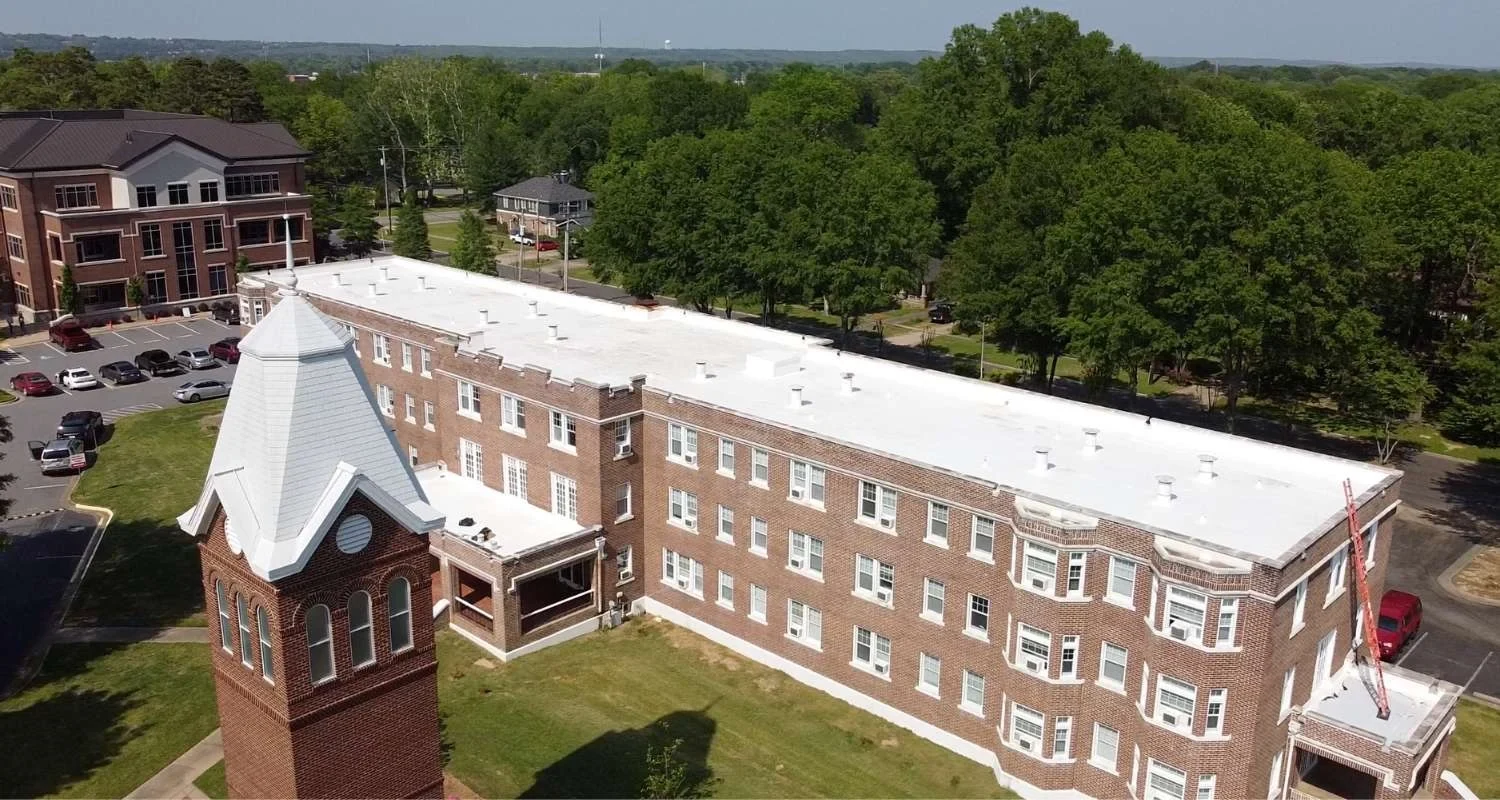
Roof Work Timed to the Academic Calendar, Not the Other Way Around
View project -
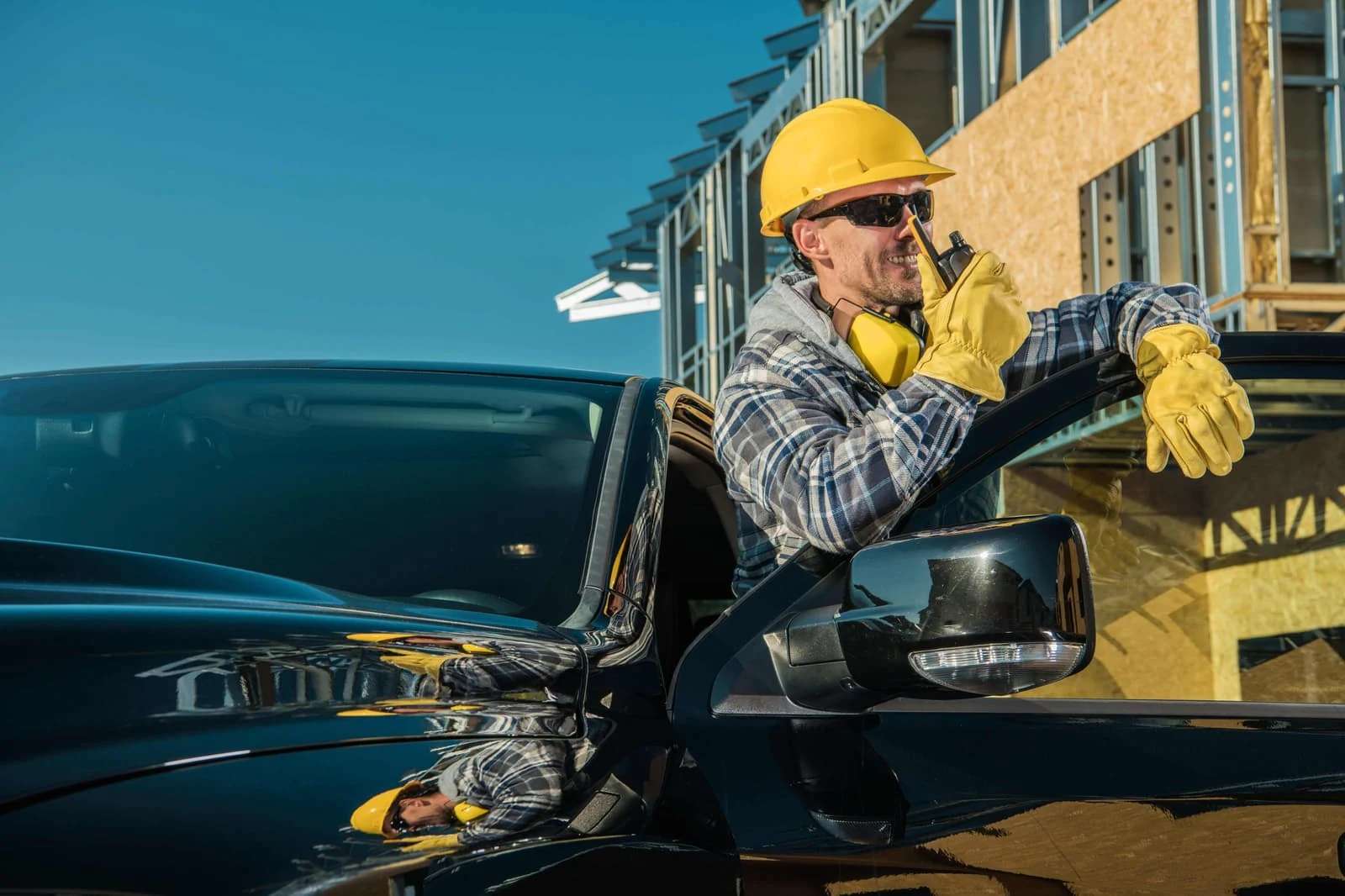
Roofing Scope for General Contractors Building in the Capital Region
View project -
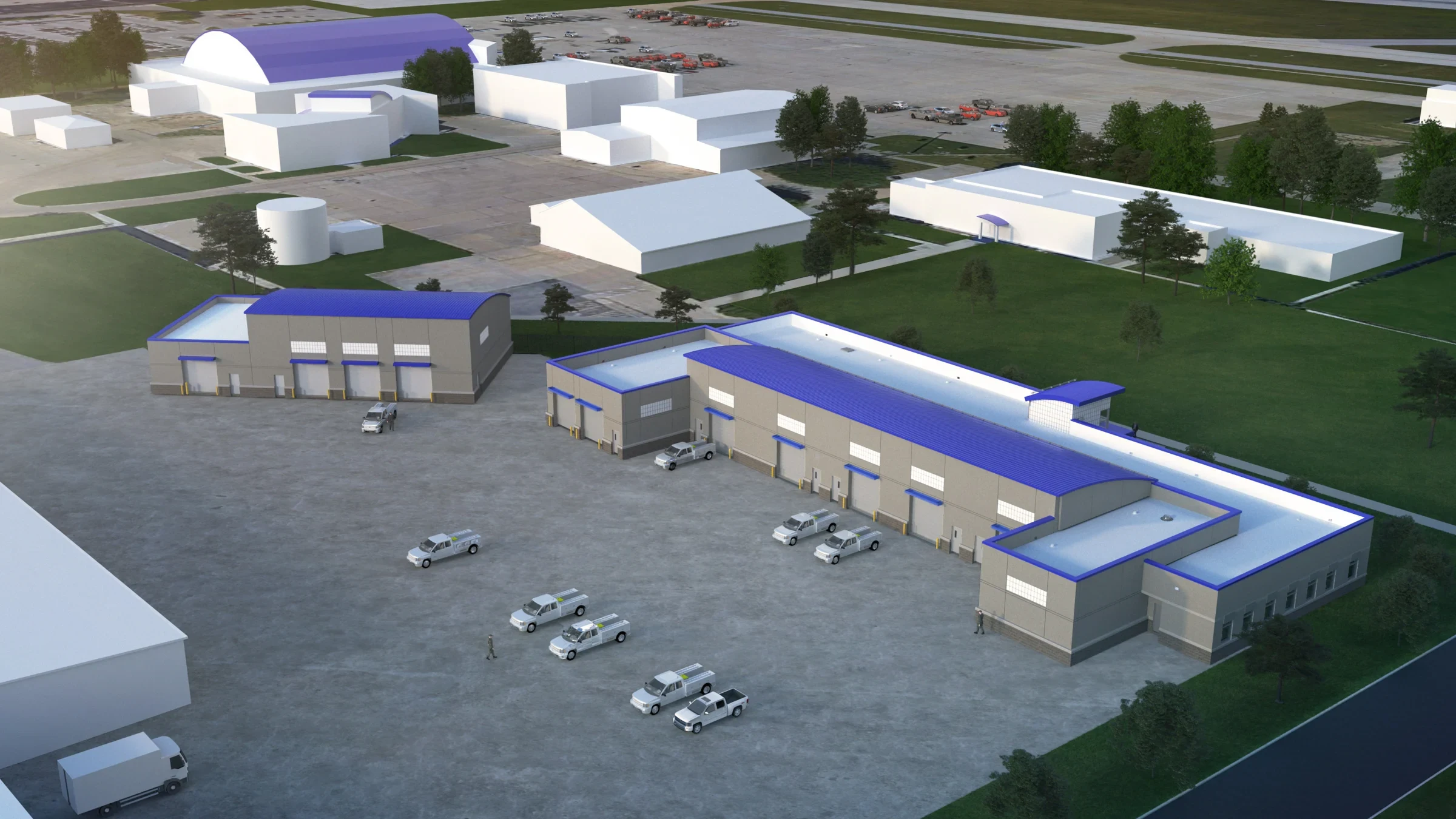
Roofing State, County, and City Buildings Through Michigan's Budget Calendar
View project -
Roof Work That Doesn't Interrupt Patient Care
View project -
Roof Documentation That Holds Up Through the Claims Process
View project -
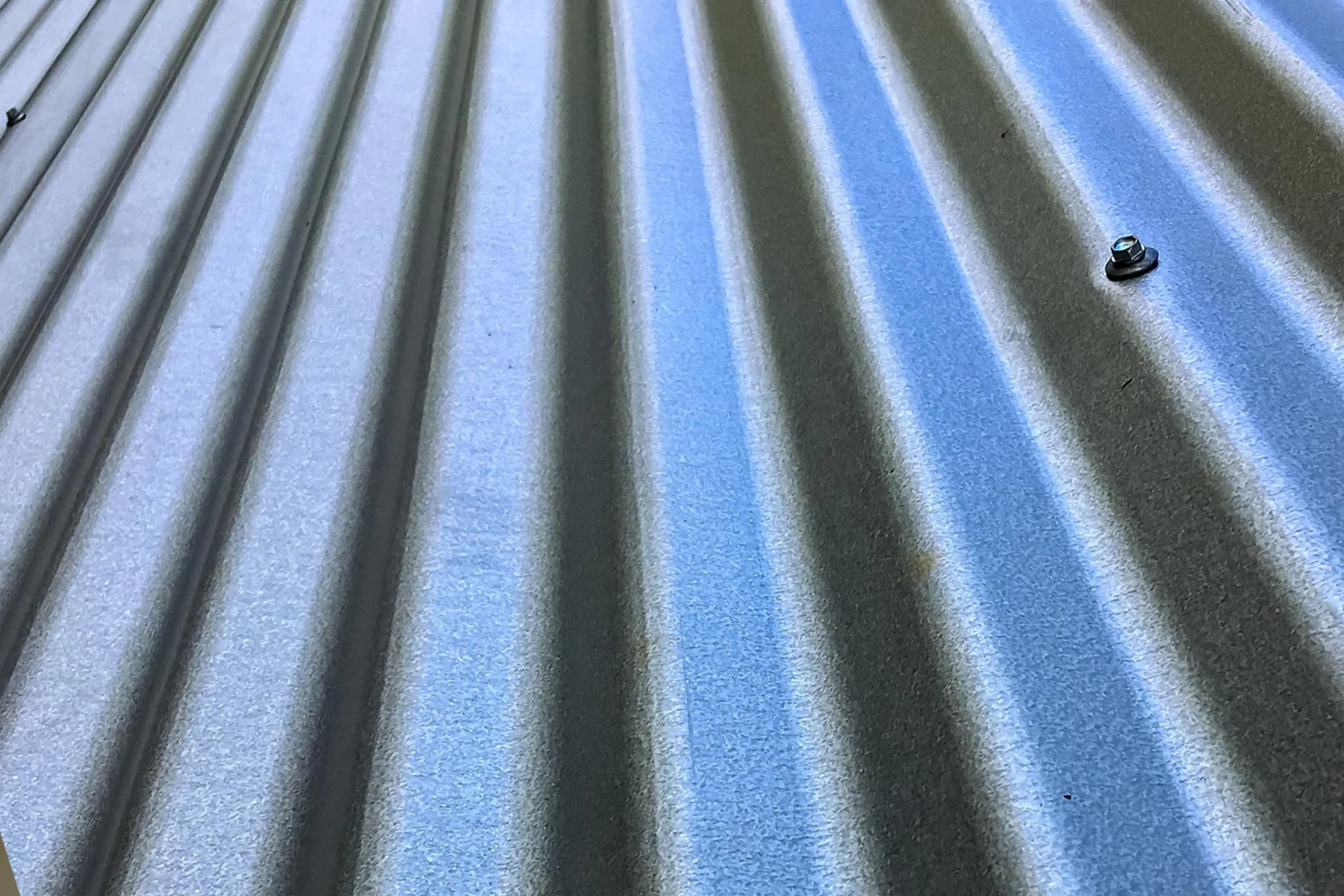
R-Panel Metal for Warehouses and Light Manufacturing
View project