
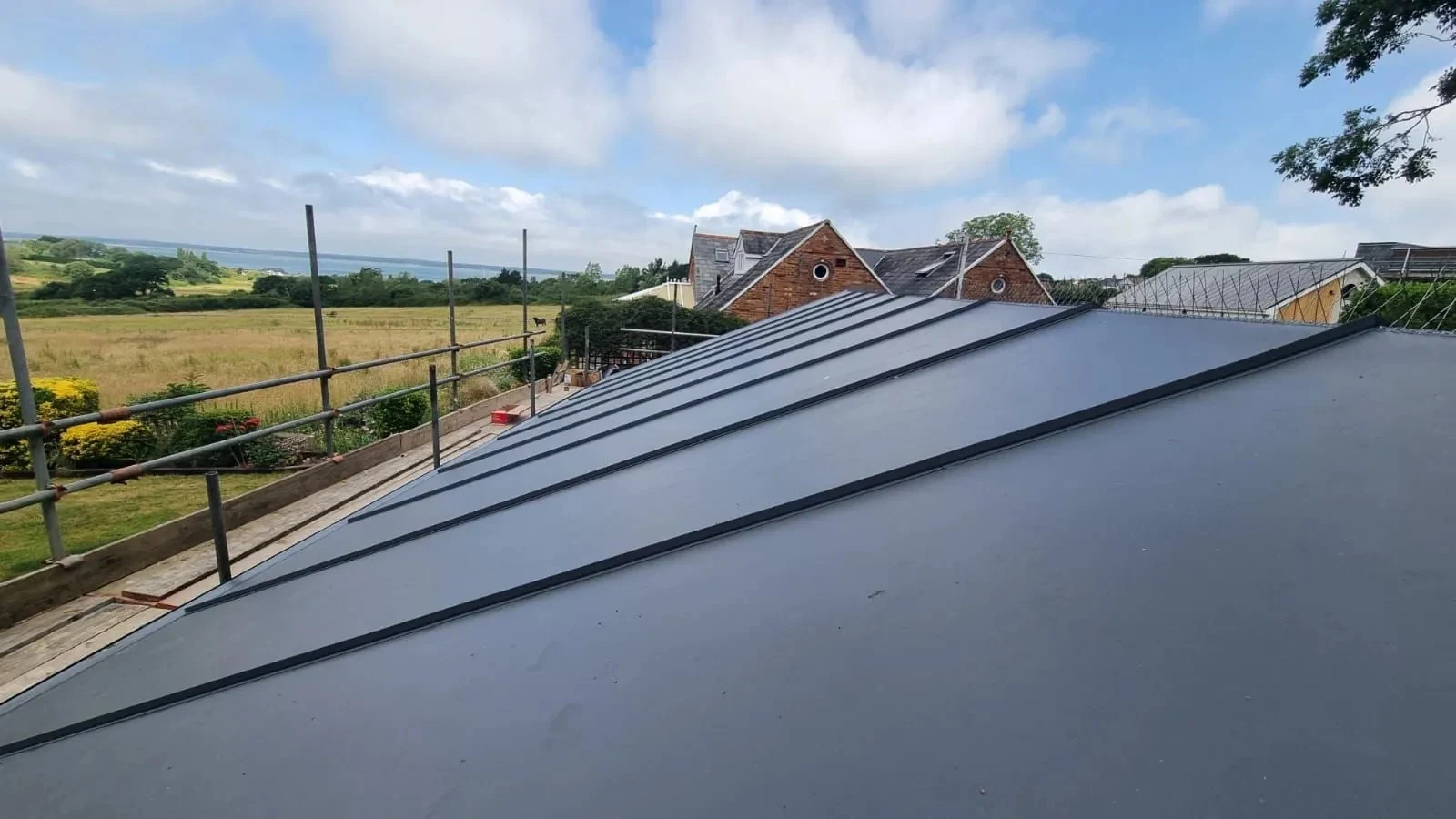
Sika Sarnafil Roof Systems in Lansing, MI
Lansing, Michigan
Sika Sarnafil PVC Systems for Wind Uplift and Mechanical-Heavy Roofs
Sarnafil's PVC membrane line has a long track record in commercial single-ply roofing across the country. The attachment options within that line, mechanically fastened, fully adhered, and induction-welded, give us flexibility on roofs where wind uplift resistance or heavy rooftop mechanical load are the driving concerns rather than chemical exposure alone.
Attachment Method as the Real Performance Variable
Mechanically fastened PVC systems resist wind uplift through a pattern of fasteners and plates rather than adhesive bond, which makes fastener spacing and plate placement the details that actually determine wind performance on a given roof, more than membrane thickness alone. On buildings with significant height or exposure, like some of the taller structures around downtown Lansing and near the MSU campus in East Lansing, wind load calculations directly drive how tight that fastener pattern needs to be.
Induction welding, an alternative to standard mechanical fastening within this product family, bonds the membrane to plates through the material itself rather than exposed fasteners, which can improve both wind performance and appearance depending on the project's requirements.
We run the wind load numbers for the specific building rather than reusing a fastening pattern from a similar-looking roof down the street, since roof height, parapet configuration, and surrounding structures can change the calculation meaningfully even between two buildings that look alike from the ground, and getting it wrong is expensive to correct later.
Mechanical-Heavy Roofs and Rooftop Equipment Density
Hospital and medical facility roofs, along with buildings supporting dense HVAC or specialty mechanical systems, often carry more curbs, more rooftop units, and more service traffic than a typical office roof. PVC's heat-welded seams hold up well under that kind of repeated technician traffic and equipment vibration, which is part of why this product line comes up regularly on healthcare-adjacent buildings and other mechanically dense facilities in the region.
We pay particular attention to curb flashing and penetration density on these roofs, since a roof with dozens of mechanical penetrations has proportionally more places where a flashing detail, not the field membrane, determines whether the roof holds up.
Wind Uplift Through Michigan's Weather Patterns
While the region doesn't see hurricane-force wind events, seasonal storm systems and the wind patterns created by taller adjacent buildings in denser commercial areas still generate real uplift forces, particularly at roof corners and edges where uplift pressure concentrates. We calculate fastening patterns based on the specific building's height, exposure, and surrounding structures rather than applying a generic fastening spec across every project.
Freeze-thaw cycling adds another factor: fasteners that were properly torqued at installation can loosen slightly as the deck and insulation shift over repeated freeze-thaw seasons, which is why we check fastener integrity as part of routine inspections on mechanically attached PVC roofs rather than assuming the original installation holds indefinitely.
Color and Reflectivity Options
This product line offers membrane color options beyond standard white, which occasionally matters on buildings with specific aesthetic or branding requirements visible from adjacent taller structures. Reflectivity still factors into the decision for buildings managing cooling costs, and we weigh color choice against energy performance when both considerations are in play.
- Fastener backout visible as raised bumps under the membrane
- Membrane billowing or ballooning in high-wind conditions
- Weld seam separation near dense curb clusters
- Uneven wear patterns near heavy-traffic mechanical service paths
- Edge metal or coping showing stress after storm events
- Membrane displacement visible at roof corners after wind events
Corner and edge issues in particular get flagged immediately on mechanically fastened roofs, since that's where uplift forces concentrate most and where a small problem can escalate quickly in the next storm.
When This System Makes the Most Sense
We reach for this product line most often on taller buildings with real wind exposure, mechanically dense roofs serving healthcare or institutional facilities, and any project where fastening pattern and seam integrity matter more than the raw membrane cost comparison against a standard TPO bid.
On a low, simply-shaped retail building without significant height or mechanical density, standard TPO usually delivers comparable performance for less cost, and we'll recommend that instead when the building doesn't need the added wind or mechanical-traffic resistance this system provides.
Questions Owners Ask About Sarnafil PVC Systems
Why would we choose mechanically fastened over fully adhered?
It depends on deck condition, wind exposure, and cost. Mechanically fastened systems install faster and cost less in many cases, but fully adhered systems can offer better performance on complex or high-wind roofs.
Does induction welding cost more than standard fastening?
Generally yes, but it can be worth it on roofs where wind performance or a cleaner finished appearance justifies the added cost. We'll walk through that tradeoff for the specific building.
How often should fastener integrity be checked after installation?
We recommend checking during routine roof inspections, at least annually, with closer attention after any major wind event.
Does membrane color affect performance beyond appearance?
Darker colors absorb more heat, which affects cooling load and can slightly affect membrane surface temperature cycling over time. We factor that in when color is part of the decision.
Is this system a good fit for a standard retail building?
It can be, but the wind-uplift and mechanical-density advantages matter less on a low, simply-shaped retail roof, where a standard TPO system often makes more economic sense for the owner, and we'll say so directly during the initial walk-through.
Ready to review the roof scope?
Related Roofing Manufacturers
-
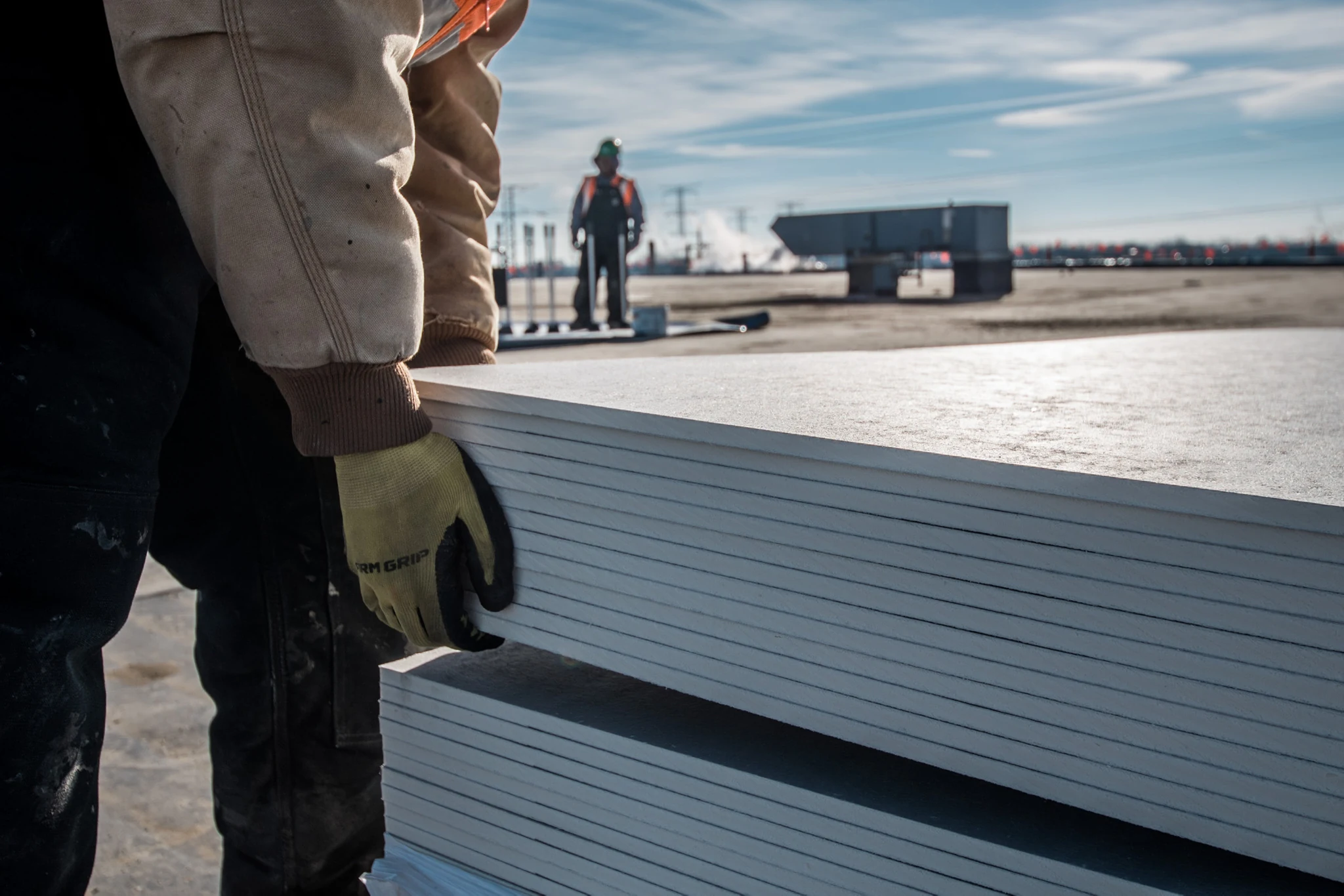
Johns Manville Systems for Schools, Government, and Institutional Roofs
View project -
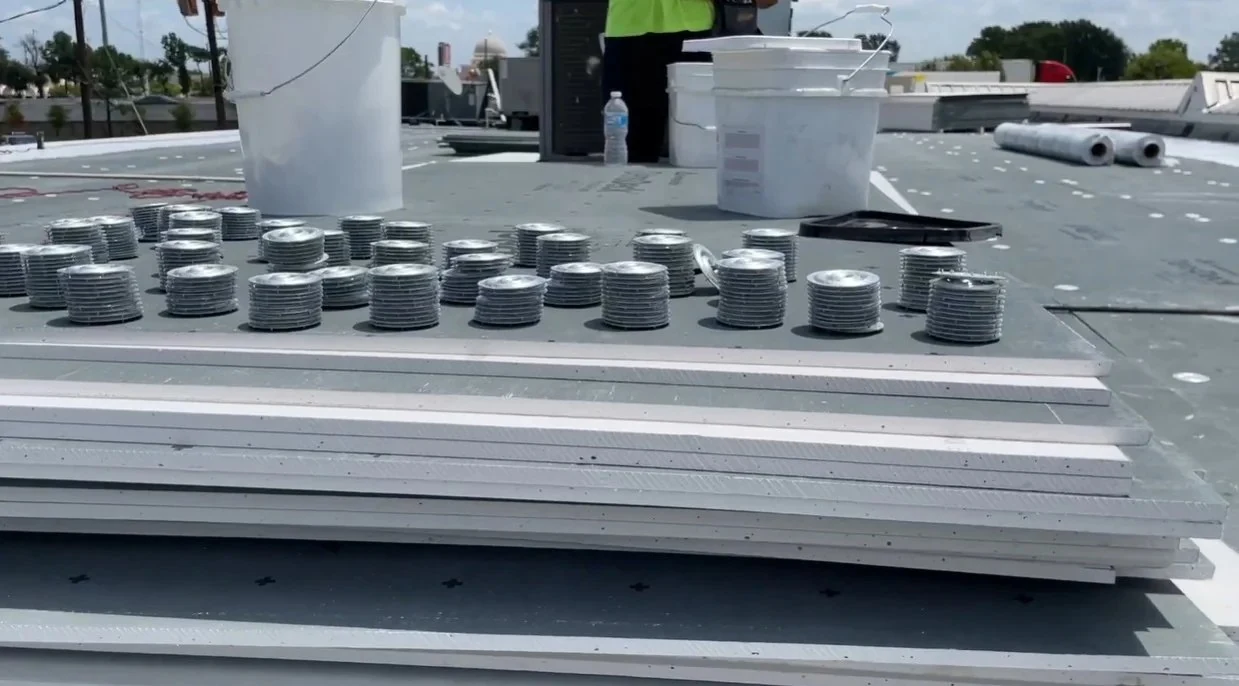
Versico Systems for Multi-Site Retail and Property Portfolios
View project -
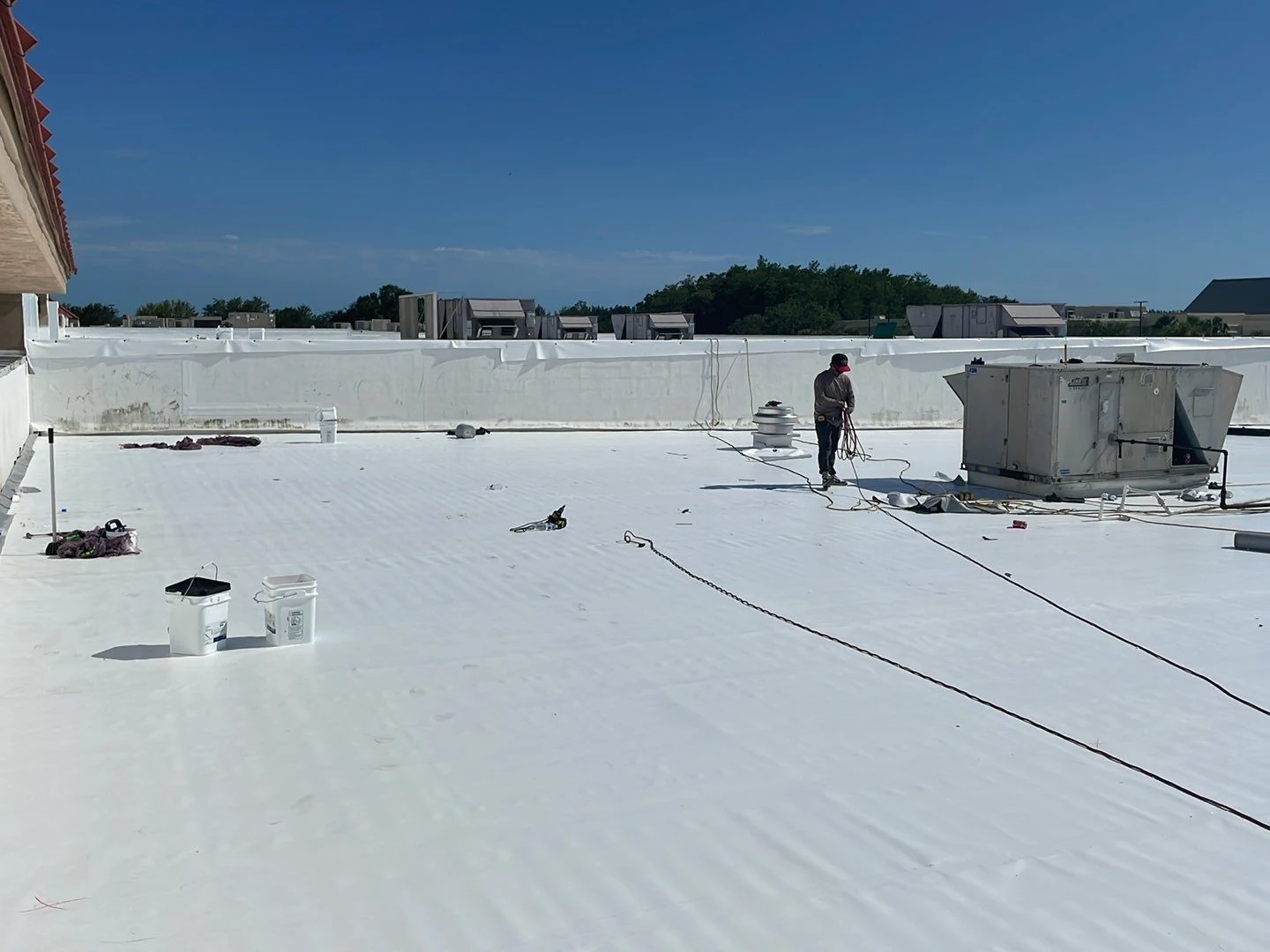
Specifying Carlisle SynTec Systems for Lansing Commercial Roofs
View project -
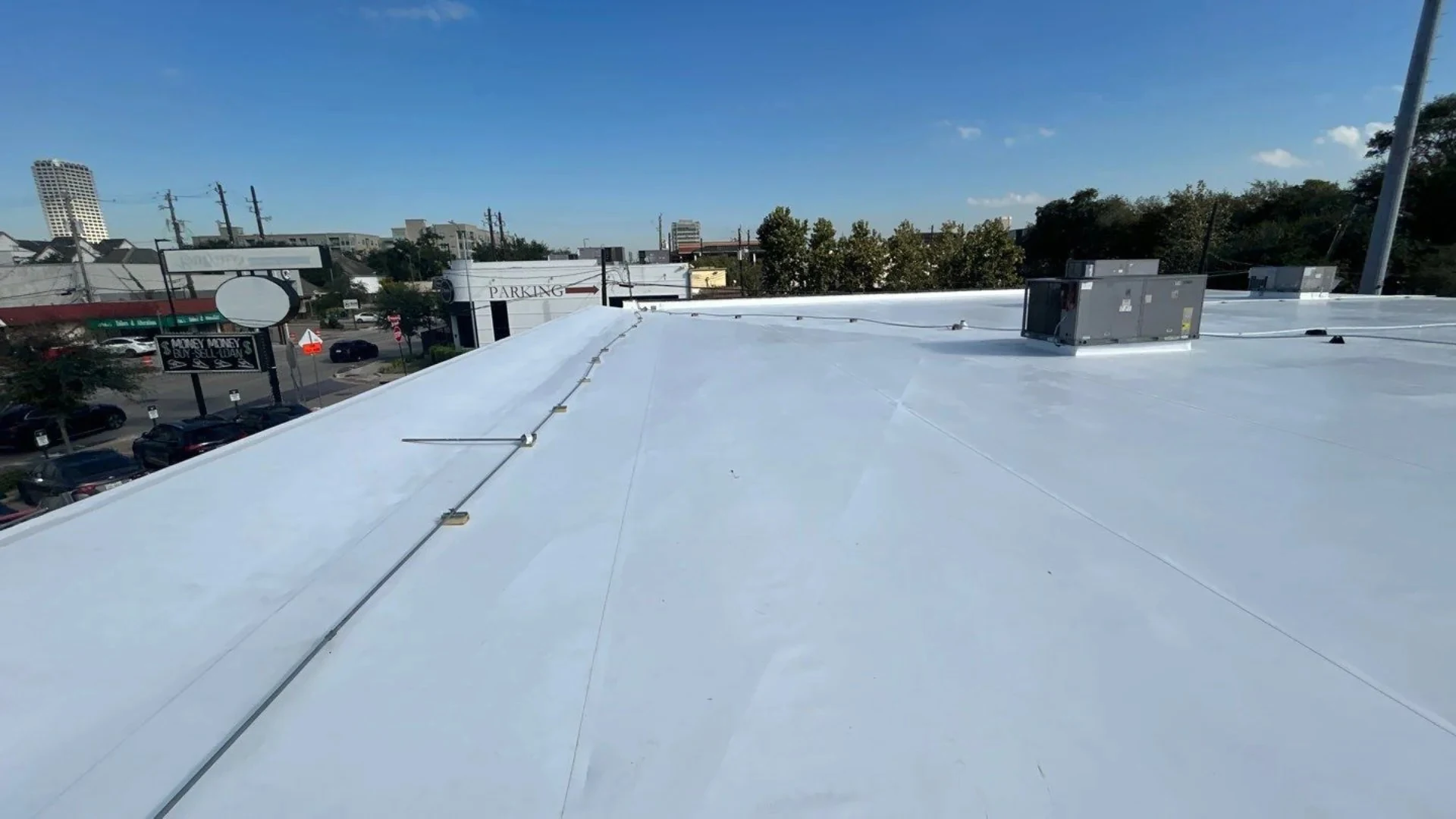
GAF Commercial Roof Systems and Where They Fit in Lansing
View project -
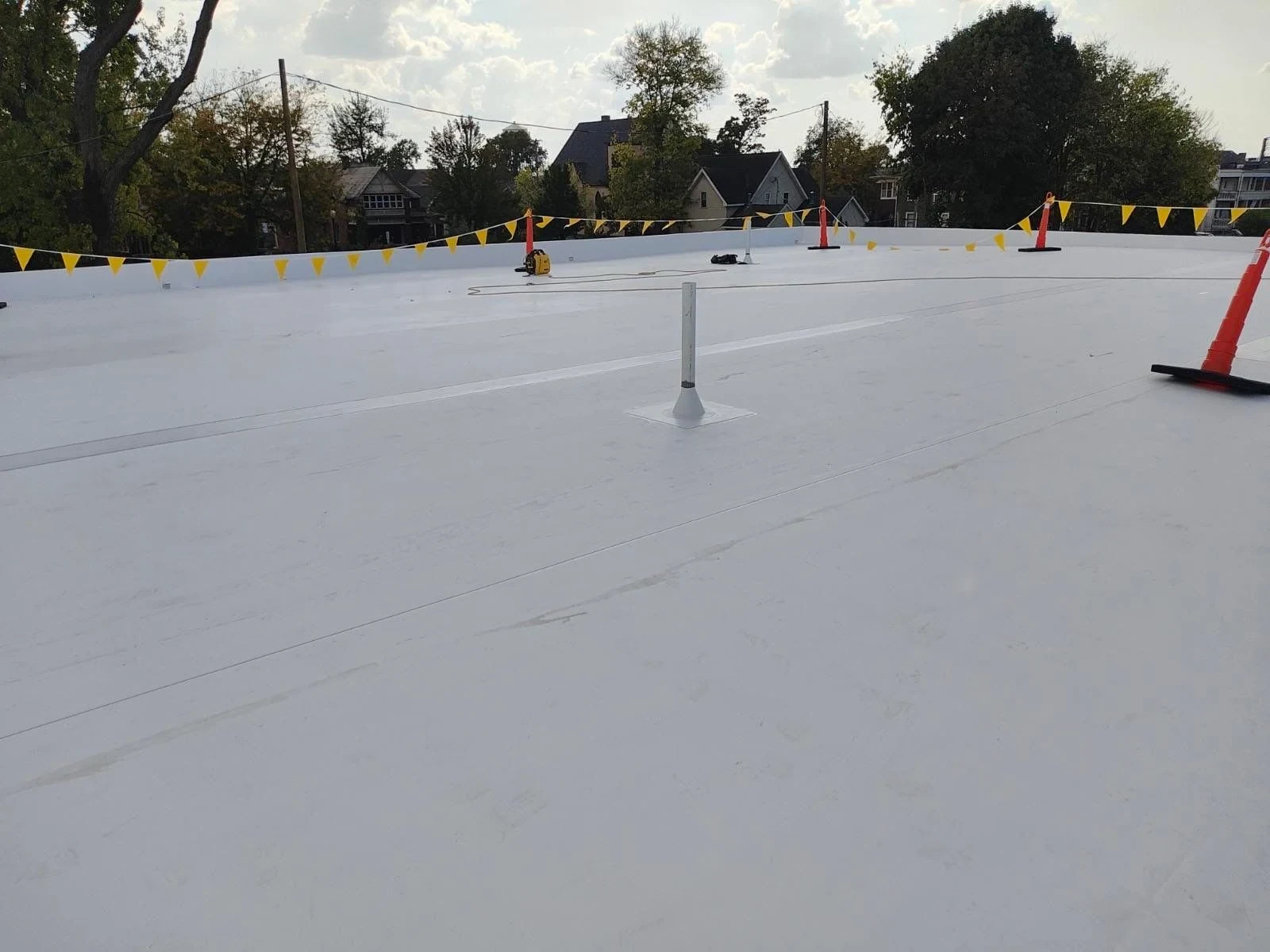
Holcim Elevate Systems: Membrane and Insulation as One Assembly
View project -
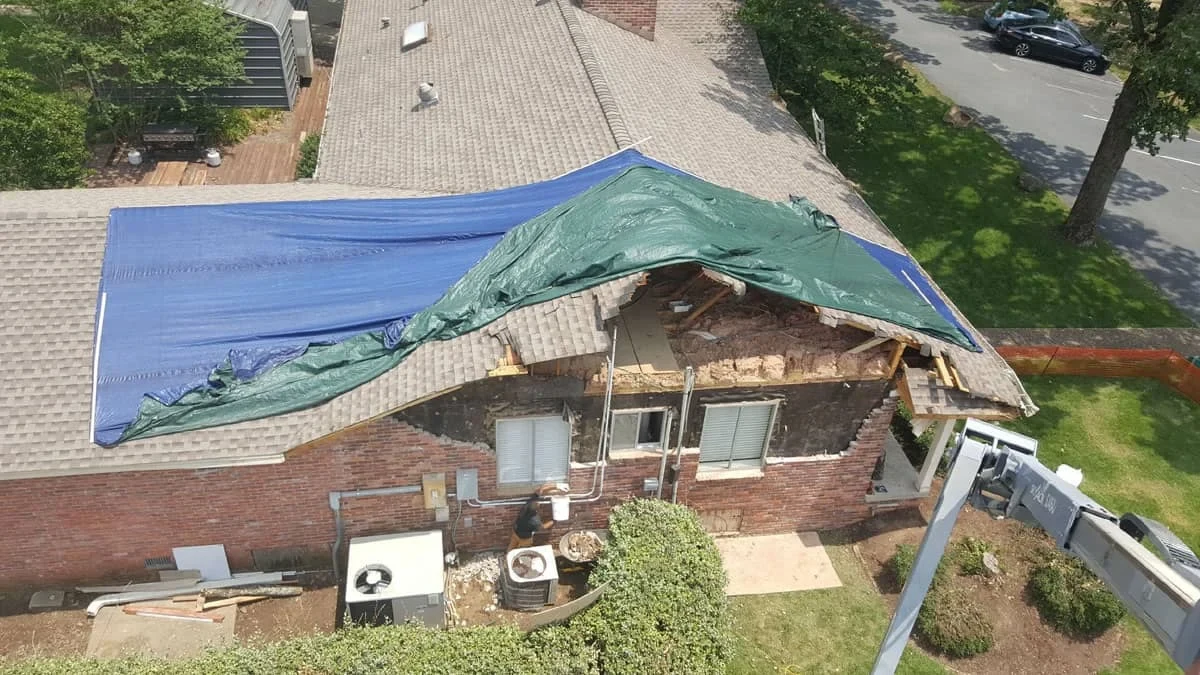
Repairing Lansing Roofs After Wind, Ice, and Derecho Damage
View project