
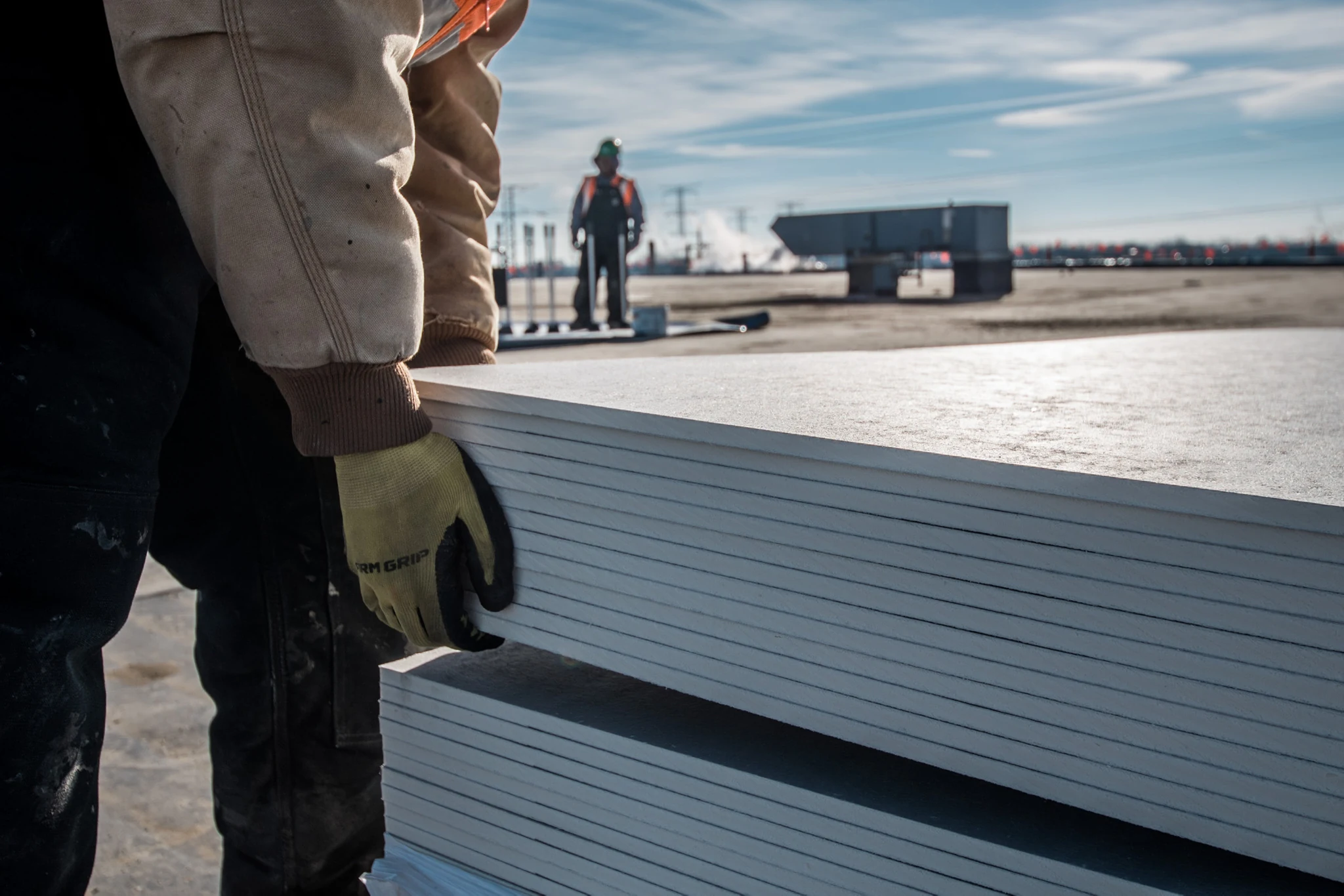
Johns Manville Roof Systems in Lansing, MI
Lansing, Michigan
Johns Manville Systems for Schools, Government, and Institutional Roofs
Johns Manville's commercial roofing line covers built-up, modified bitumen, TPO, and PVC systems, along with insulation products, which puts it in the mix on a wide range of institutional buildings we work on around Lansing, from school campuses to government offices near the Capitol. Institutional owners tend to prioritize long-term reliability and predictable maintenance over the lowest up-front bid, and product selection reflects that.
Why Institutional Buildings Weigh Different Factors
A school district or government building doesn't get to shut down for an emergency reroof the way a vacant retail space might. Roof decisions on these buildings have to account for occupied classrooms, active offices, and limited windows when work can happen without disrupting the building's core function, usually summer break for schools or scheduled maintenance periods for government facilities. That constraint shapes which product category and installation method actually makes sense more than it would on a typical commercial project.
Built-up and modified bitumen systems, both part of this manufacturer's line, tend to fit well on institutional buildings because of their proven multi-decade track record and the redundancy of a multi-ply assembly, which reduces the odds of an emergency leak disrupting occupied space mid-semester or mid-session.
We also weigh how a repair crew will need to access the roof during the school year for smaller maintenance items, since a system that's easy to patch without full crew mobilization saves both money and disruption on buildings that can't easily accommodate a large work crew during active occupancy.
Matching System to School and Government Building Age
Older school buildings around the region, some dating to construction waves decades back, often already have a built-up or modified bitumen roof, and recovering within that same system family usually respects the existing structure better than converting to single-ply. Newer additions or renovated wings on the same campus might make more sense as TPO, which means a single institutional campus can end up with more than one roof system across its buildings, and that's a normal outcome, not a red flag.
We evaluate each roof section on its own condition and construction era rather than assuming a whole campus needs one uniform system.
That building-by-building approach also helps facilities directors plan budgets more accurately, since it separates urgent sections from ones that still have years of useful service left, instead of treating the whole campus as a single all-or-nothing project. It also gives a school board or council a clearer picture of what's driving each line item in a capital request.
Insulation and Energy Performance for Institutional Budgets
Public and institutional buildings often operate under tighter long-term maintenance budgets than private commercial owners, which makes getting insulation and membrane decisions right the first time more important. Skimping on insulation during a reroof to save initial cost usually shows up later as higher heating costs across a Michigan winter, a cost that a public budget carries every year the roof is in service, not only once.
- Persistent leaks near HVAC penetrations on occupied classroom wings
- Visible ceiling staining in areas near known roof age transitions
- Higher-than-expected heating costs tied to specific building sections
- Ponding water on flat sections of older campus roofs
- Flashing failures at additions where roof systems meet
- Membrane or ply separation near mechanical curbs
On a multi-building campus, these signs often cluster by construction era, which is a useful clue when planning a phased reroofing program rather than a single all-at-once project.
Phased Reroofing on Occupied Campuses
Institutional reroofing rarely happens all at once. We plan phased projects around school calendars and government facility schedules, prioritizing sections with the most active leak risk first and sequencing the rest across budget cycles. That phased approach means product consistency across the whole campus matters less than getting the right system on each section as its turn comes up.
We document each phase's condition and remaining life so the facilities team has a clear record to bring to budget meetings and school board or council reviews without having to re-inspect every building each cycle. That documentation also carries over cleanly to the next facilities director or property manager if staff turnover happens partway through a multi-year plan.
Questions Institutional Owners Ask
Can reroofing happen while a school building is occupied?
Some prep and interior work can, but membrane and ply installation work is best scheduled during breaks when classrooms aren't in session, both for noise and for safety around active roof work.
Does a government building need a different warranty structure than private commercial?
Warranty terms are generally the same regardless of ownership type, but public procurement requirements can affect bidding and documentation processes around the project.
Should every building on a campus get the same roof system?
Not necessarily at all. Different construction eras and existing roof types on the same campus often call for different systems, evaluated section by section.
How do we budget for reroofing across multiple buildings over time?
We prioritize by leak risk and remaining service life, giving owners a phased plan that spreads cost across budget cycles instead of one large capital request all at once.
Does older insulation need to be replaced during an institutional reroof?
Often yes, especially on older buildings, since insulation condition affects both energy cost and long-term roof performance. We evaluate this during the initial inspection and include it as a clear line item in the proposal.
Ready to review the roof scope?
Related Roofing Manufacturers
-
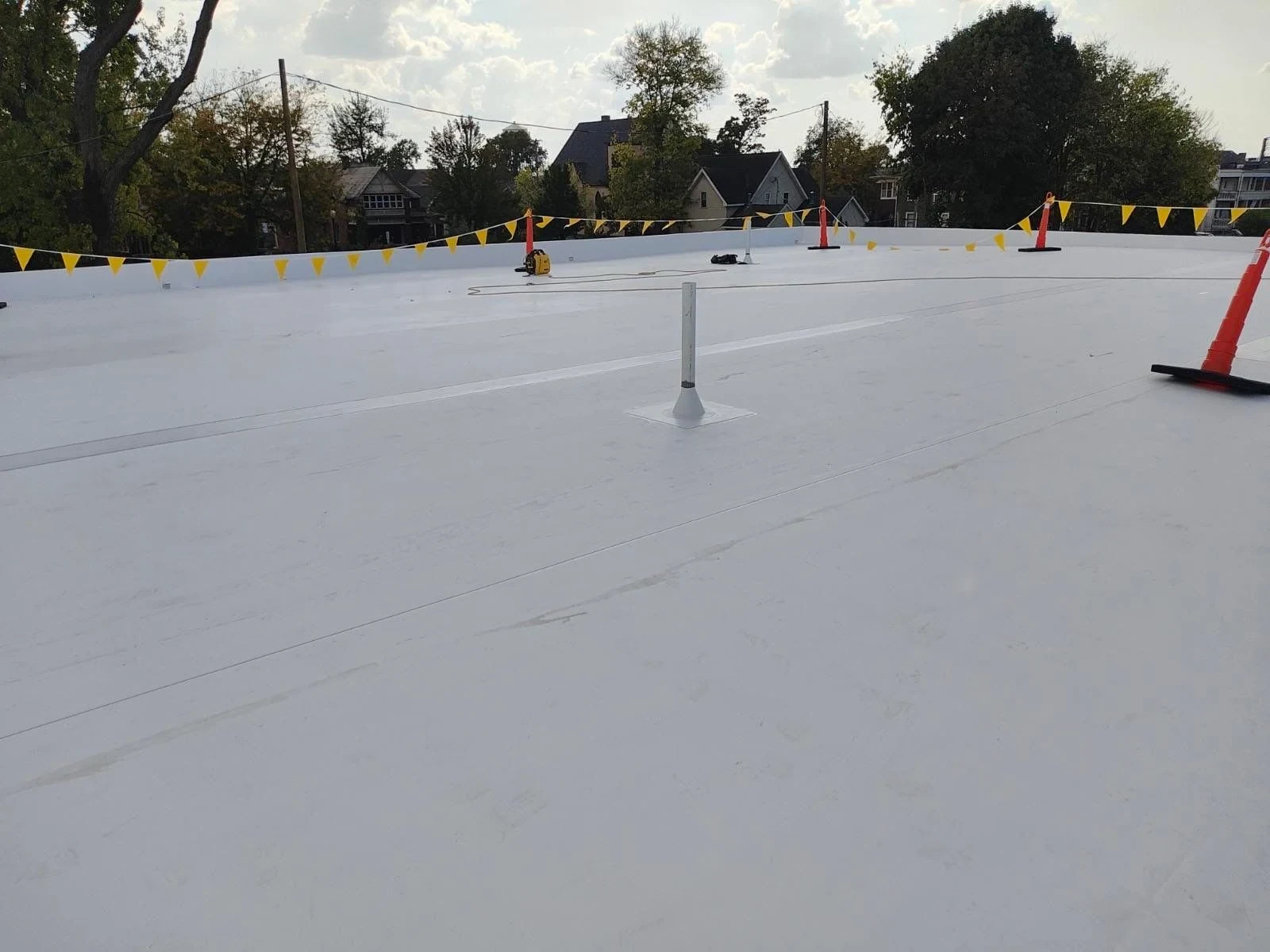
Holcim Elevate Systems: Membrane and Insulation as One Assembly
View project -
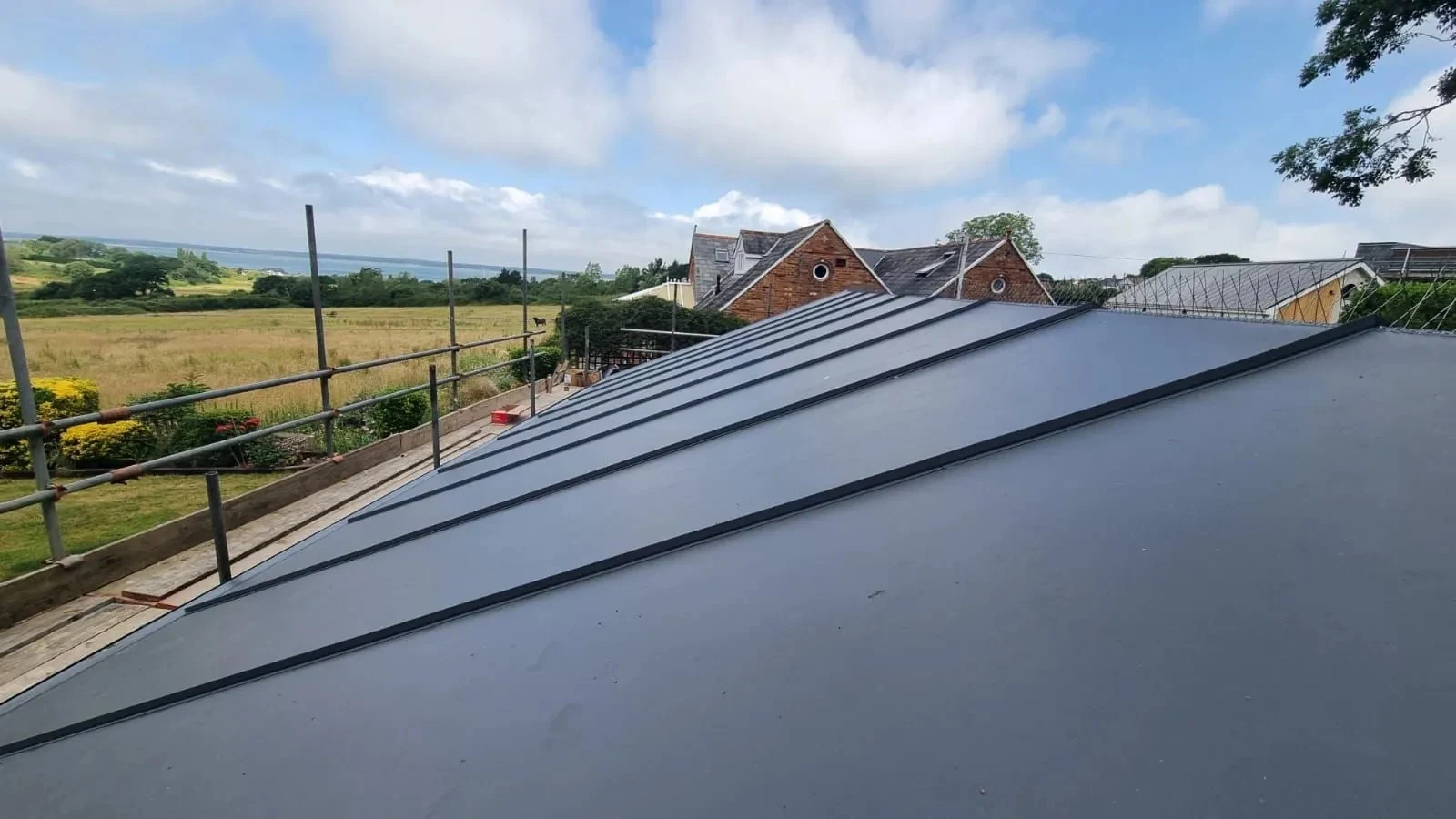
Sika Sarnafil PVC Systems for Wind Uplift and Mechanical-Heavy Roofs
View project -
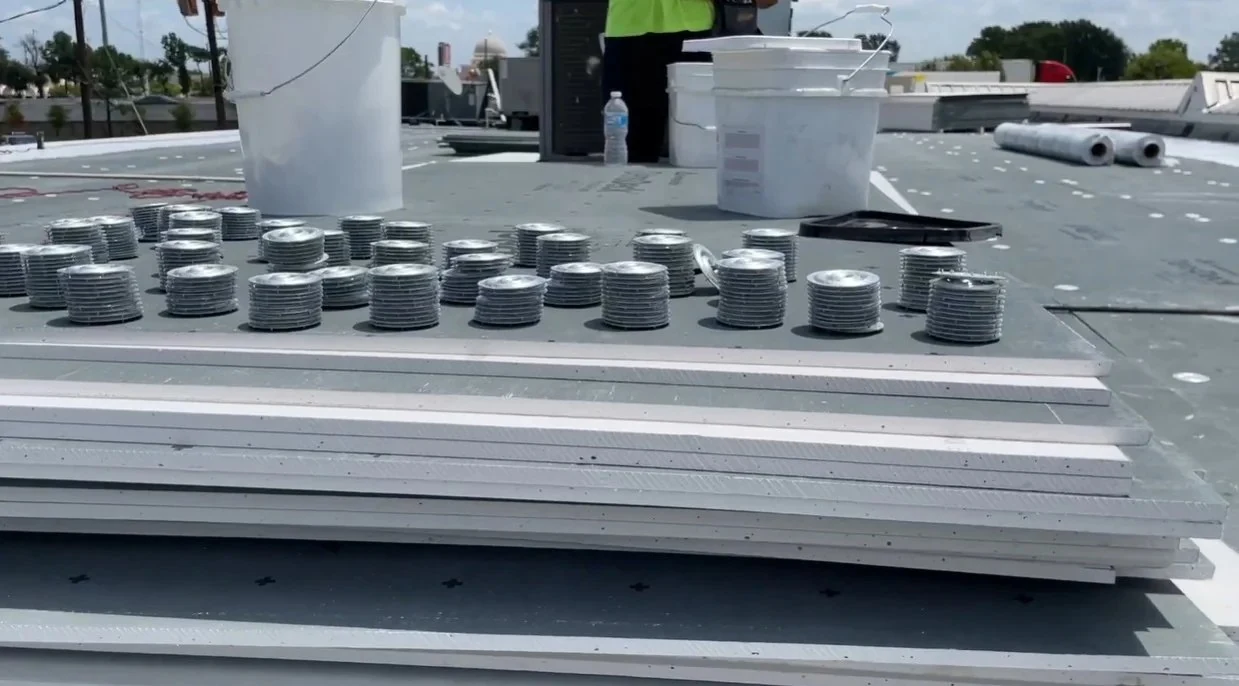
Versico Systems for Multi-Site Retail and Property Portfolios
View project -
Specifying Carlisle SynTec Systems for Lansing Commercial Roofs
View project -
GAF Commercial Roof Systems and Where They Fit in Lansing
View project -
Reroofing Decisions for Lansing's State, Auto, and Campus Roofs
View project