
Commercial Roof Insurance Claim Assistance in Lansing, MI
Lansing, Michigan
Getting the Full Roof Damage Scope Into Your Insurance Claim
Lansing's commercial roof stock is not one thing. State office buildings downtown carry legacy gravel and modified bitumen roofs that predate current code. GM's assembly plants along the Delta Township and Grand River corridors sit under acres of single-ply membrane with rooftop equipment scattered across them. The retail and mixed-use buildings that grew up around Michigan State University in East Lansing run newer TPO and EPDM systems on tighter footprints. A roof claim on any one of those looks different from the others, and treating every claim the same way is how legitimate damage gets left out of the final scope. We work these claims as the roofing contractor - documenting, measuring, and building the scope an owner and adjuster both work from - not as a public adjuster representing either side of the conversation.
What a Commercial Roof Claim Actually Requires
A defensible claim starts with a roof condition record from close to the time of the loss: dated photographs, measurements of the affected area, and a description of the apparent cause tied to what the roof actually shows. Carriers want to know what portion of the damage is new versus what predates the storm or hail event, and that distinction is much easier to establish with documentation from days after the event than with a reconstruction weeks later. We put that record together as part of every claim-related inspection, whether the triggering event was wind, hail, or a winter freeze-thaw cycle.
Documenting Damage Before Conditions Change
Roof damage does not sit still. Wind-lifted membrane keeps working loose in the next storm, hail bruising on a membrane surface can be hard to see even a few weeks out, and ponding water finds new paths once a seam has failed. We document before any temporary stabilization changes what is visible, and we separate pre-existing wear from event-related damage explicitly in the record, because that separation is exactly what a carrier's adjuster will be looking for when the claim is reviewed.
Meeting the Adjuster on the Roof
When a carrier sends someone to inspect the roof, we meet them on site and walk through what we found - the damage locations, the measurements, and the reasoning behind the recommended scope. We answer technical questions directly and let the adjuster reach their own conclusion rather than steering the conversation toward a predetermined outcome. If our assessment differs from theirs on a specific point, we explain the physical evidence behind our read of it, but the claim decision itself is a conversation between the owner and the carrier.
Building a Complete Scope Beyond the Visible Damage
The most common gap we see in claim scopes is not fraud or dispute - it is incompleteness. A scope that repairs the torn section of membrane but skips the code-required edge metal upgrade, or that patches a hail-damaged area without addressing matching on an older roof where the original material is no longer available, is a scope that leaves the owner short. We itemize the full repair, including code and ordinance upgrades and matching considerations, so the claim reflects what the roof actually needs rather than the narrowest possible read of the damage.
When a Claim Comes Back Denied or Underpaid
A denial or a lowball settlement is often a documentation gap rather than a real dispute over whether damage exists. We review what the carrier's own inspection found against our own record, identify what was missed or undervalued, and put together additional documentation - more measurements, more photographs, a clearer description of cause - that an owner or their public adjuster can bring back to the carrier. We are candid that this is a documentation and evidence role, not a negotiation on the owner's behalf.
What We Do - and What We Don't
We're your roofing contractor, not a public adjuster - we document and substantiate the roof damage so you and your adjuster work from an accurate scope. We do not file claims, negotiate settlements, or promise a payout outcome, and we say so upfront so there's no confusion about the role we're playing in the process.
Insurance Claim Questions From Lansing Building Owners
Does insurance cover commercial roof replacement?
It depends on the policy and the cause of loss. Wind, hail, and sudden events are typically covered causes; gradual deterioration usually is not. The distinction between the two is often exactly what a documentation record needs to establish.
What does the claim process actually look like from our end?
Generally: damage is reported, we inspect and document, the carrier sends an adjuster we meet on the roof, and a scope is negotiated between the owner and carrier based on both assessments. We're involved in the documentation and scope steps, not the negotiation itself.
What happens if our claim gets denied or comes back underpaid?
We can review the carrier's findings against our own documentation and identify gaps - damage that was missed, scope items that were undervalued, or cause-of-loss questions that need more evidence. That additional record goes back to the owner to use in reopening the conversation with their carrier.
Who decides between repair and replacement on a claim?
That determination comes out of the documented condition and extent of damage, weighed by the owner and the carrier. We provide the technical basis - how much of the roof is affected, whether repair can realistically restore watertightness - but the final call belongs to the owner and their insurer.
Do you file the claim or negotiate with our insurance company for us?
No. We document and substantiate the roof damage and produce the repair scope. Filing the claim and negotiating its outcome is the owner's role, working with their carrier or their own public adjuster if they use one.
How long does documentation and scoping usually take?
An initial inspection and documentation visit can typically happen within days of a report. The full scope, especially one involving matching or code-upgrade research on an older building, takes longer to finalize than the inspection itself.
Ready to review the roof scope?
Related Commercial Roofing Services
-
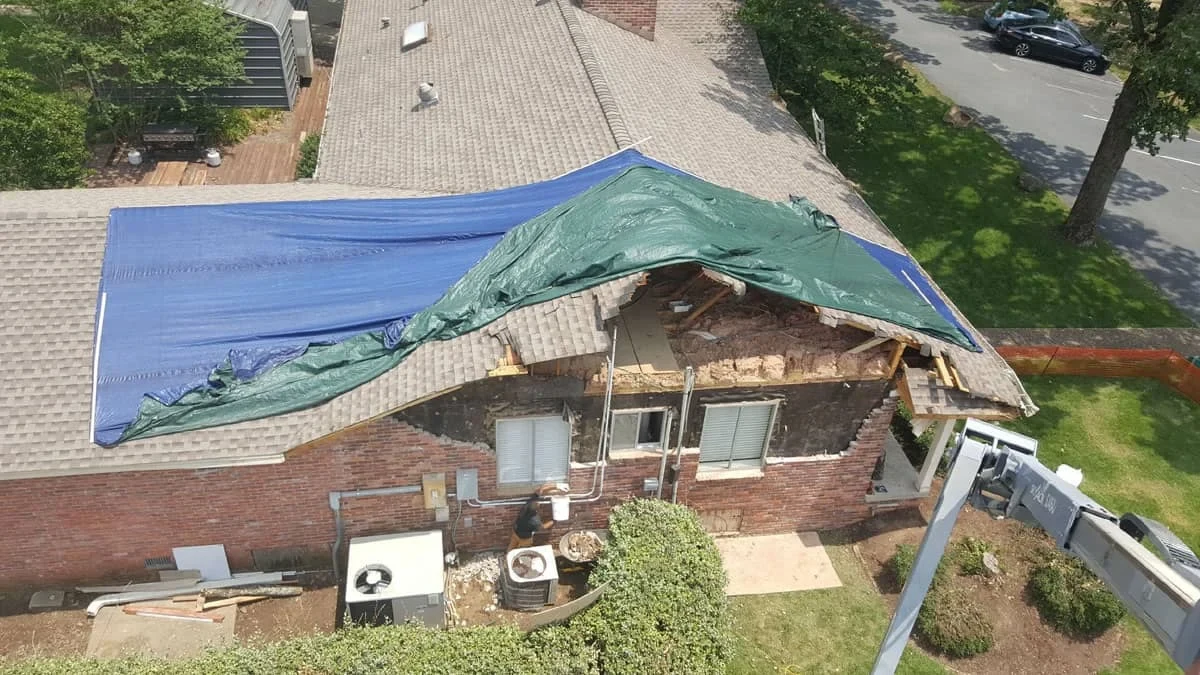
Repairing Lansing Roofs After Wind, Ice, and Derecho Damage
View project -
Documenting Ice Dam and Snow-Load Roof Damage Before the Thaw Erases It
View project -
Getting Wind-Damage Claims Right Before the Insurer Calls It Cosmetic
View project -
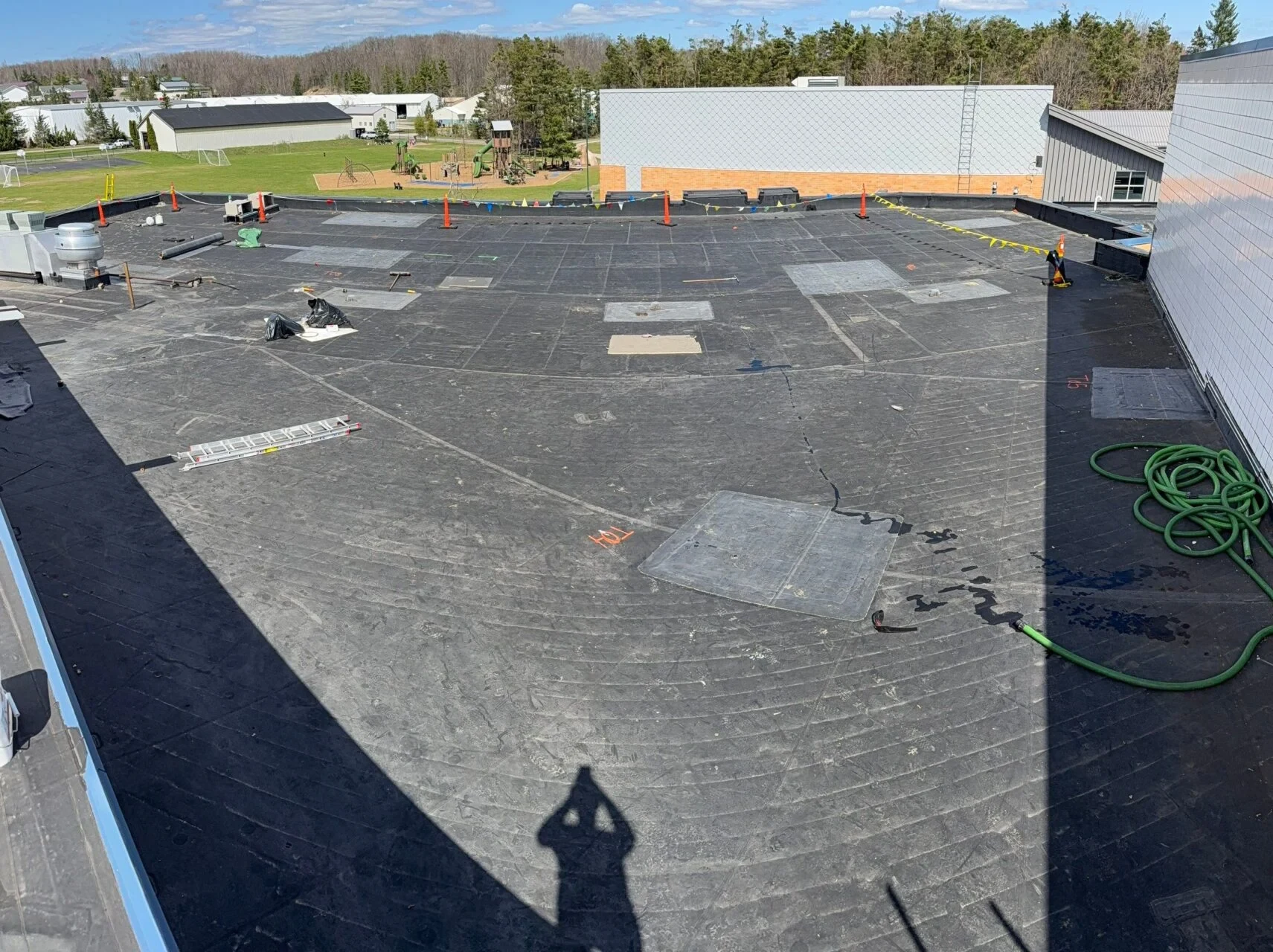
Proving Hail Damage on a Membrane Roof Isn't as Obvious as a Dented Panel
View project -
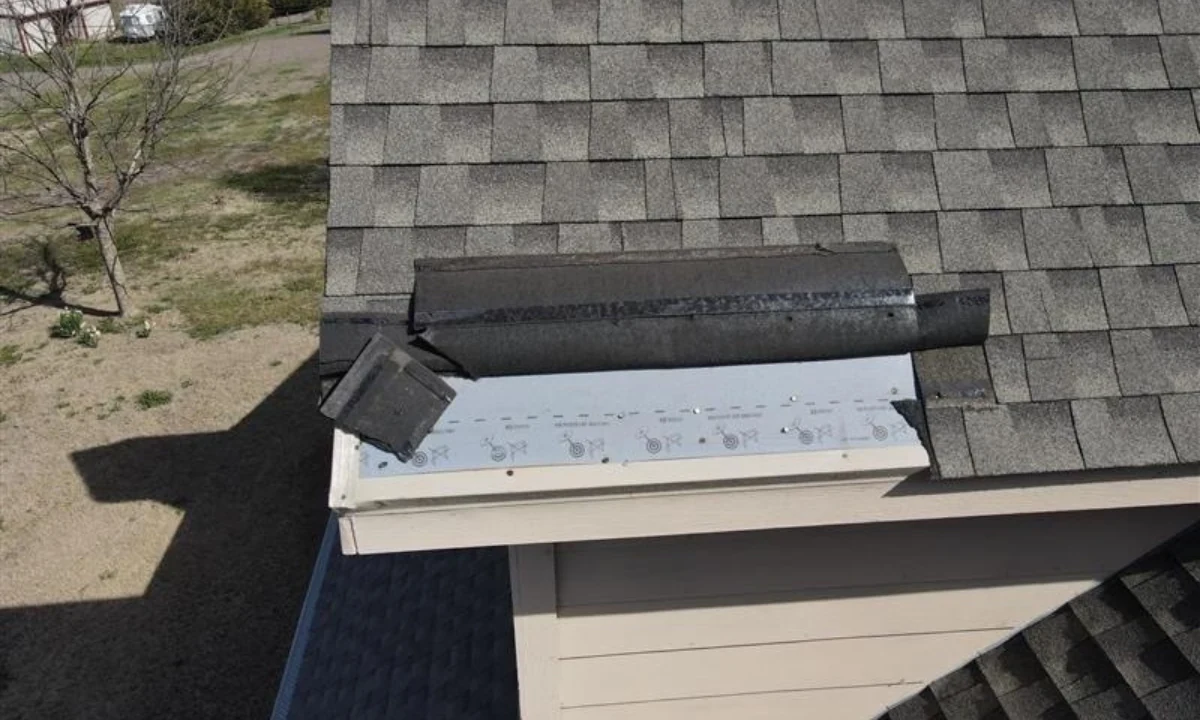
Documenting Storm Damage for a Claim, Not Promising the Outcome
View project -
Pre-Winter and Spring Roof Condition Reports for Lansing Buildings
View project